
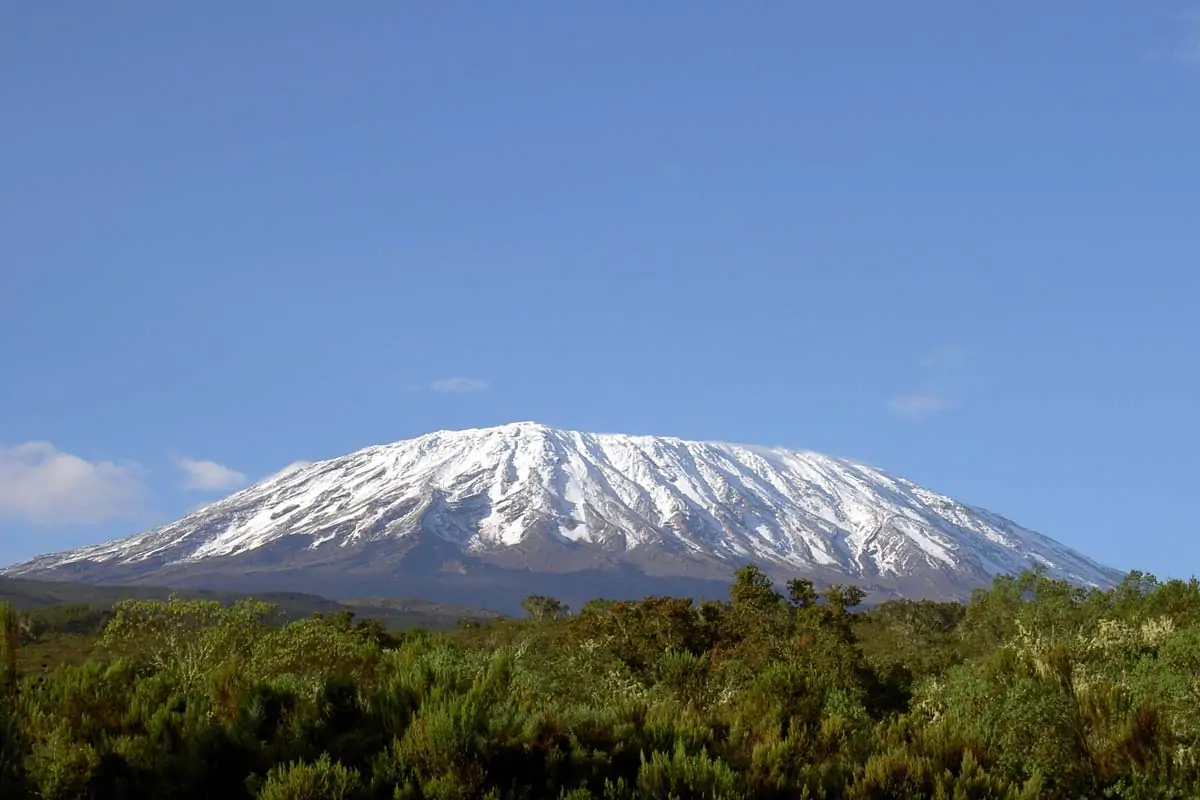
7 Days to the Roof of Africa: A Kilimanjaro Adventure
Mount Kilimanjaro Africa’s tallest mountain and the highest free standing peak in the world has long captured the imagination of adventurers. Rising 5,895 meters (19,341 feet) above sea level, its snow capped summit, Uhuru Peak, is famously known as the Roof of Africa.
For many, climbing Kilimanjaro is a lifelong dream. And with a 7 day itinerary, you give yourself the perfect balance of acclimatization, adventure, and stunning scenery to turn that dream into reality.
Why Choose a 7 Day Trek?
While Kilimanjaro can be climbed in as little as five days, a 7 day route greatly increases your chances of a successful summit. More days on the mountain mean:
-
Better acclimatization to the thin air.
-
Reduced risk of altitude sickness.
-
More time to enjoy the diverse landscapes.
-
A gentler pace that allows you to savor the experience.
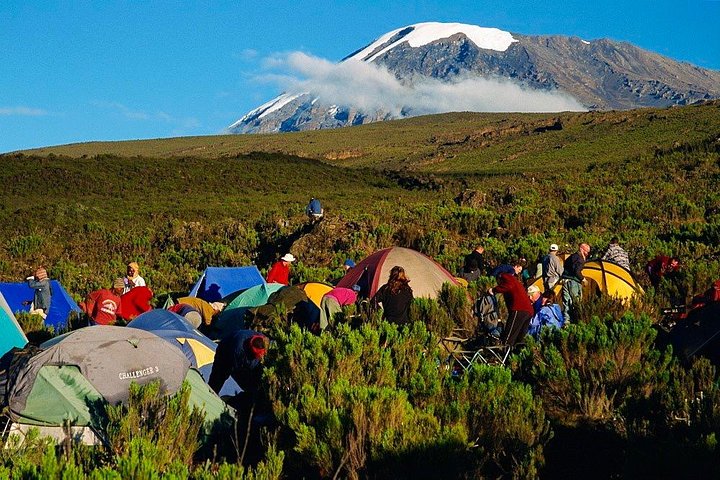
Popular 7-day routes include:
-
Machame Route – Known for its incredible scenery and the iconic Barranco Wall.
-
Lemosho Route – Less crowded, with expansive views from the Shira Plateau.
-
Rongai Route – Approaches from the north, offering a quieter climb.
What to Expect Day by Day
Day 1 – The Adventure Begins
Your journey starts at the base, where lush rainforests greet you. Expect sightings of colobus monkeys and exotic birds as you hike towards your first camp.
Day 2 – Into the Moorlands
The trail leaves the forest and enters heather and moorland, with wide-open vistas and unique alpine plants.
Day 3 – Acclimatization and Exploration
This day often includes a climb to a higher point (such as Lava Tower) before descending to camp. It’s a vital step in preparing your body for the summit.
Day 4 – Scenic Trails & The Barranco Wall
A highlight for many, the Barranco Wall is a thrilling scramble that rewards you with breathtaking views.
Day 5 – High Camp
By now, the air is noticeably thinner. You’ll arrive early at base or high camp to rest before the summit push.
Day 6 – Summit Day
You begin your climb around midnight, following the glow of headlamps up the scree slopes. The reward? Watching the sunrise from Uhuru Peak the Roof of Africa.
Day 7 – The Final Descent
A long hike down through changing landscapes takes you back to civilization, tired but triumphant.
The Magic Along the Way
In just one week, you’ll pass through five distinct climate zones from tropical rainforest to glacial ice fields. The scenery changes daily, and so does the feeling in your heart. There’s something extraordinary about walking above the clouds, with the curve of the earth visible on the horizon.
When to Go
The best times to climb are:
-
January to March – Clear skies and fewer crowds.
-
June to October – Stable weather and excellent visibility.
Avoid April to May and November, when heavy rains make the trails muddy and views limited.
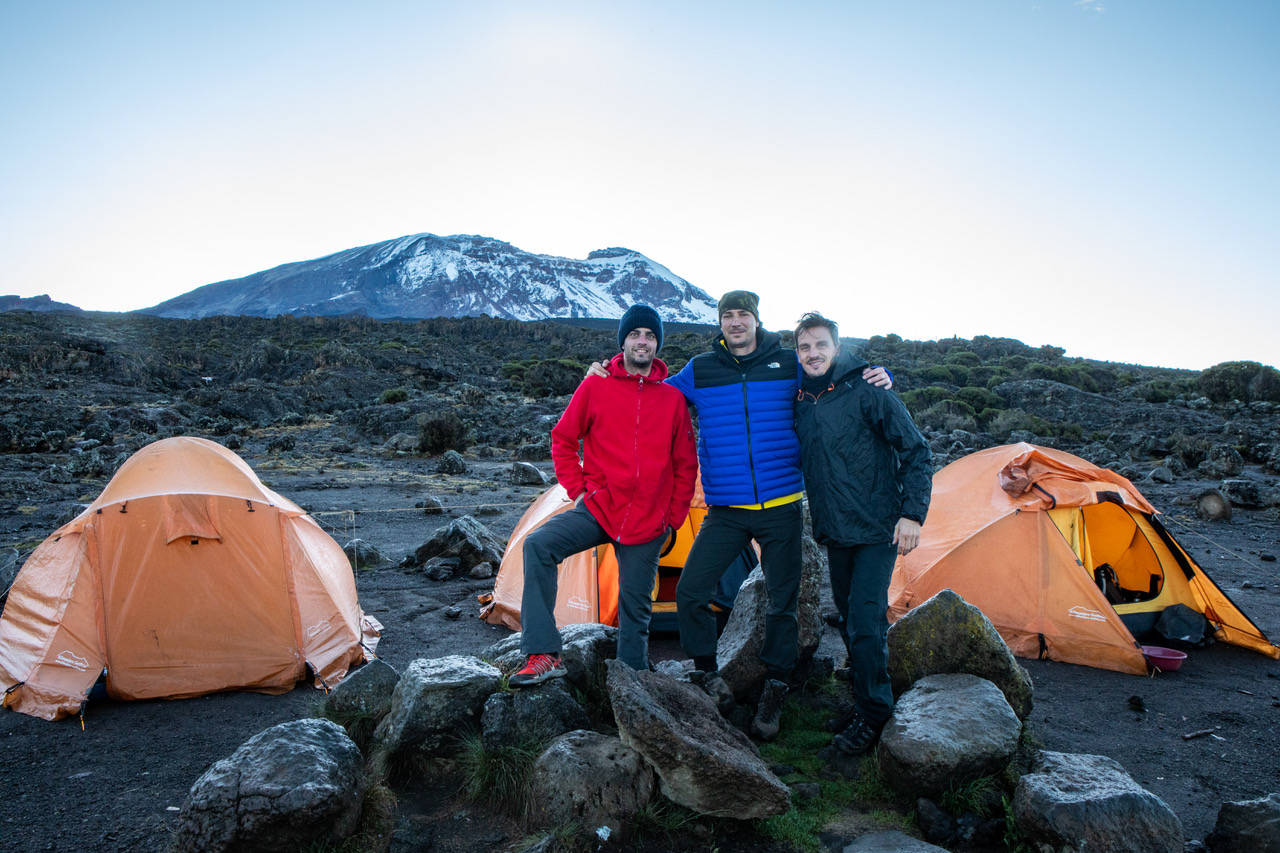
Tips for a Successful 7-Day Climb
-
Train ahead — Include cardio, strength, and hiking practice.
-
Go “Pole Pole” — The Swahili phrase for “slowly, slowly” is the golden rule of Kilimanjaro.
-
Hydrate well — Altitude dehydrates you faster than you think.
-
Pack smart — Layered clothing, quality boots, and a warm sleeping bag are essential.
-
Climb with professionals — Licensed, experienced guides make all the difference in safety and enjoyment.
Beyond the Summit
Many climbers reward themselves after the trek with a Serengeti safari or a few days on Zanzibar’s beaches. After all, you’ve just conquered the Roof of Africa you deserve to celebrate.
Final Word
A 7 day Kilimanjaro adventure is more than a hike; it’s a journey through ecosystems, cultures, and the limits of your own determination. Every step brings you closer to the summit, but it’s also about the people you meet, the landscapes you witness, and the personal triumph you carry home.
On the final morning, standing atop Uhuru Peak as the sun rises over Africa, you’ll understand why they call it the Roof of Africa. And you’ll never forget how it felt to get there.
Related
7 Days Climb via Lemosho route
Contact Us for the Best Choice of Your Safari