
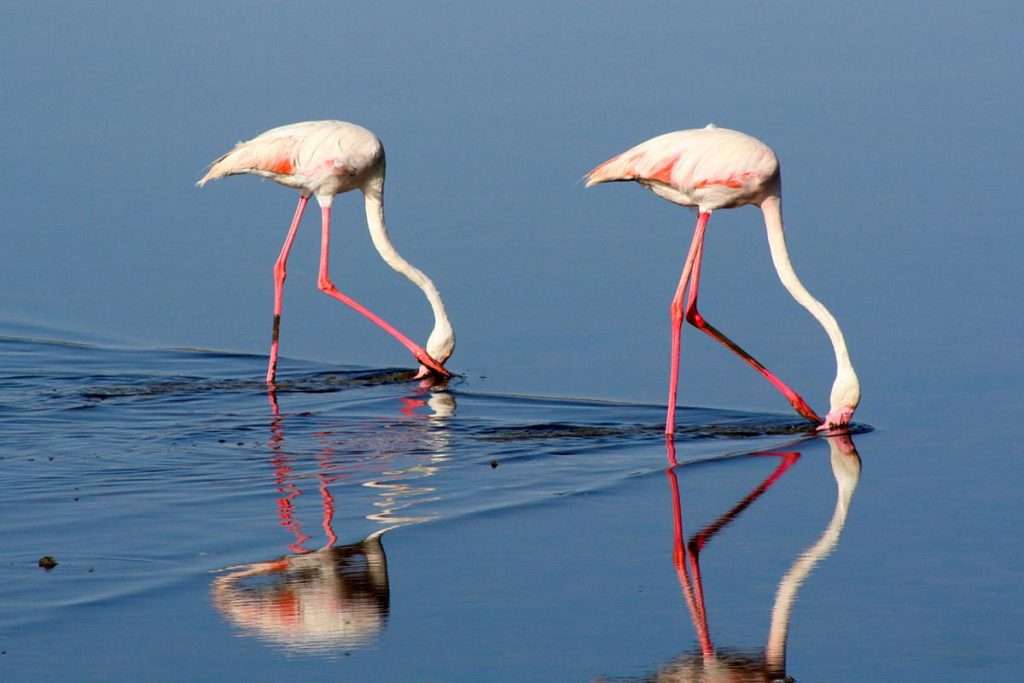
Beyond the Big Five: Discover the Rare Migratory Birds of Lake Manyara in May
When most travelers dream about an African safari, they imagine lions resting under acacia trees, elephants crossing dusty plains, or leopards hidden among branches. Tanzania is famous for the Big Five, and for good reason. Yet beyond the iconic safari animals lies another spectacular world that many visitors overlook the incredible migratory birds of Lake Manyara.
At Tanzania Safari Source, we believe some of the most unforgettable safari moments happen when guests slow down, listen carefully, and look toward the skies, forests, and wetlands. Lake Manyara National Park is one of Tanzania’s greatest hidden treasures for bird lovers, especially during May when migratory species fill the park with life, movement, and brilliant color.
May marks the heart of the green season in northern Tanzania. While some travelers avoid this period because of occasional rains, experienced safari enthusiasts know it is one of the best times to witness the beauty of nature in its freshest form. The landscapes turn lush and vibrant, waterfalls flow strongly, wildlife spreads across green plains, and the birdlife becomes extraordinary.
For birdwatchers, photographers, nature lovers, and travelers searching for experiences beyond the traditional safari, Lake Manyara in May offers a magical escape into one of East Africa’s richest ecosystems.
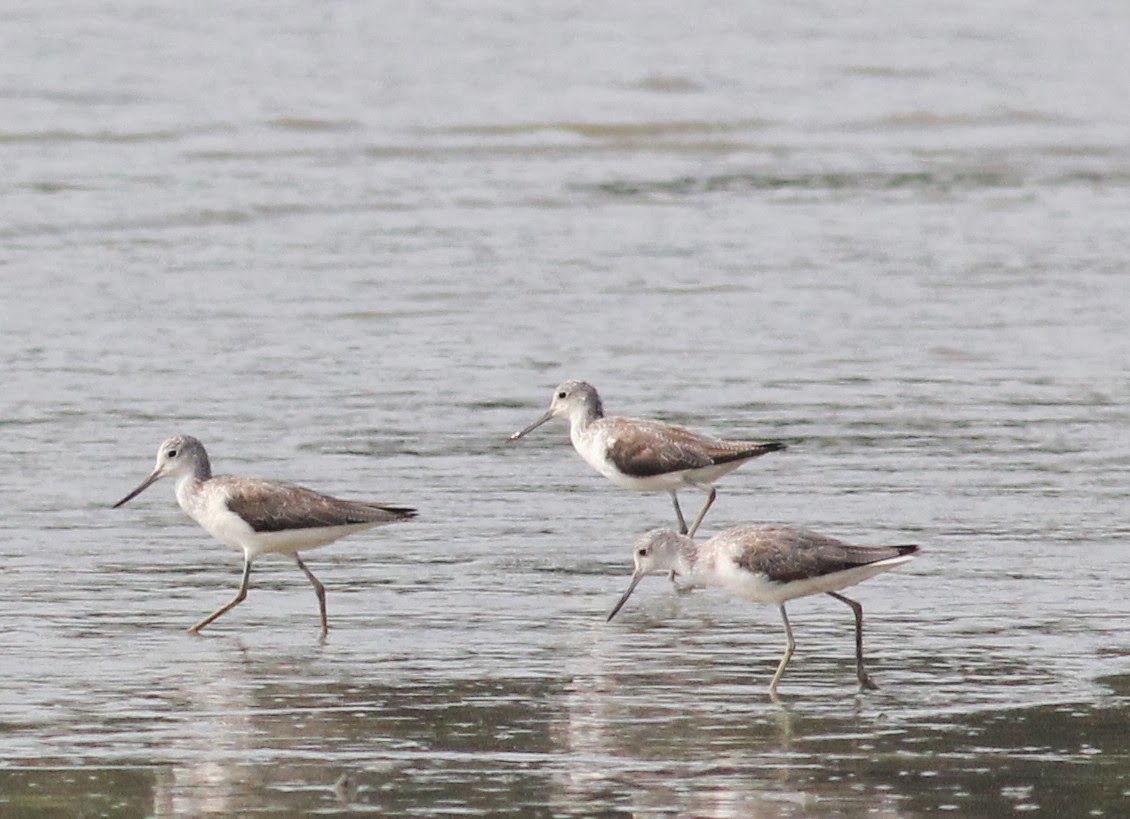
Why Lake Manyara Is a Birdwatcher’s Paradise
Nestled at the base of the Great Rift Valley escarpment, Lake Manyara National Park may be smaller than Serengeti or Tarangire, but its biodiversity is remarkable. The park contains an impressive range of habitats within a relatively compact area. Groundwater forests, open grasslands, marshes, hot springs, acacia woodlands, and the alkaline lake itself create perfect conditions for hundreds of bird species.
More than 400 recorded bird species can be found here throughout the year, making Lake Manyara one of Tanzania’s finest birdwatching destinations.
What makes May especially exciting is the combination of resident birds and migratory species. Seasonal rains replenish the lake and wetlands, attracting waterbirds from different regions of Africa and beyond. The abundance of insects, fish, and aquatic life creates ideal feeding grounds for migratory birds searching for food and breeding opportunities.
Unlike the dry season, when wildlife tends to gather around limited water sources, May offers a richer and more dynamic environment. Birds spread across forests, lakeshores, floodplains, and swamps, creating endless opportunities for observation and photography.
At Tanzania Safari Source, we often describe Lake Manyara as a living bird sanctuary during May because every corner of the park feels alive with movement, sound, and color.
The Magic of Migratory Birds in May
Migratory birds are among nature’s greatest travelers. Some species journey thousands of kilometers across continents, navigating oceans, deserts, and changing weather patterns to reach breeding and feeding grounds.
Lake Manyara becomes an important seasonal refuge for many of these birds during May.
The park’s wetlands and alkaline waters attract large concentrations of waterbirds, while the forests and woodland areas welcome migratory songbirds and raptors. The diversity during this period is simply breathtaking.
Visitors are often surprised by how dramatic the birdlife can be. Massive flocks rise into the sky at sunrise, colorful kingfishers dart across shallow waters, and elegant storks patrol the marshes.
Even travelers who never considered themselves bird enthusiasts quickly become fascinated by the sheer beauty and variety of species they encounter.
Flamingos: The Pink Icons of Lake Manyara
One of the most recognizable sights at Lake Manyara is the flamingo.
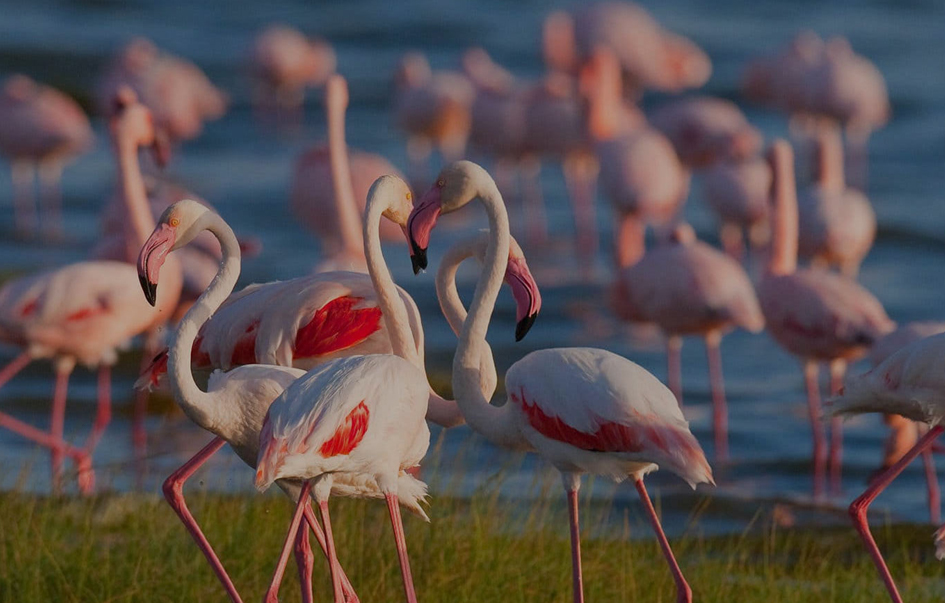
During favorable conditions in May, thousands of lesser flamingos and greater flamingos gather along the lake’s shoreline, creating stunning pink reflections across the water.
These elegant birds feed on algae and tiny aquatic organisms found in the alkaline lake. Their synchronized movements, curved necks, and vibrant colors make them one of the most photogenic attractions in the park.
Early morning is often the best time to witness flamingos at their most active. As the soft golden light spreads across the Rift Valley, flocks begin feeding and moving gracefully through shallow waters.
Photographers love this season because the surrounding greenery creates a beautiful contrast against the flamingos’ pink feathers.
At Tanzania Safari Source, we often arrange early game drives specifically for guests interested in bird photography, allowing them to enjoy calm conditions and beautiful natural light.
Pelicans and Waterbirds Along the Shores
While flamingos often steal the spotlight, pelicans are equally impressive.
Great white pelicans can frequently be seen gliding low across the water or gathering in groups near the lake’s edge. Their enormous wingspans and graceful movements make them fascinating to observe.
May also brings increased activity from:
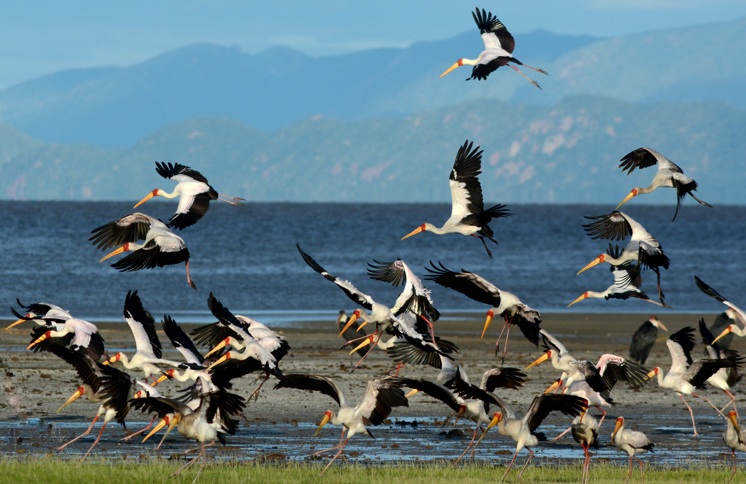
- Yellow billed storks
- African spoonbills
- Sacred ibises
- Pied avocets
- Black winged stilts
- Grey herons
- Purple herons
- Saddle billed storks
- Goliath herons
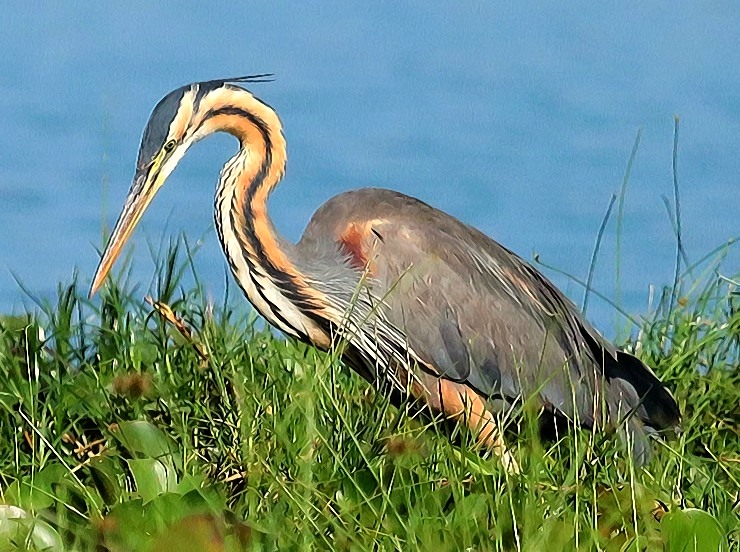
These birds thrive in the shallow wetlands created by seasonal rains.
The variety of feeding behaviors is one of the most exciting parts of birdwatching here. Some birds stalk fish silently through reeds, others sweep their bills through water, while flocks of waders move rhythmically across muddy flats.
The constantly changing interactions between species create a safari experience that feels alive and unpredictable.
Rare Raptors and Birds of Prey
Lake Manyara is not only about waterbirds.
The park’s forests, cliffs, and open skies provide ideal hunting grounds for several impressive raptor species.
During May, bird lovers may spot:
- African fish eagles
- Palm nut vultures
- Augur buzzards
- Crowned eagles
- Bateleurs
- Verreaux’s eagles
- African harrier hawks
Watching a fish eagle swoop toward the lake or a bateleur soaring dramatically over the escarpment becomes one of those unforgettable safari moments.
The lush green scenery during May also makes raptor photography especially rewarding because birds often perch on vibrant branches or fly against dramatic cloud-filled skies.
Forest Birds Hidden in the Groundwater Forests
One of Lake Manyara’s most unique habitats is its groundwater forest.
Fed by underground springs flowing from the Rift Valley escarpment, these forests remain lush and cool even during warmer months.
Towering mahogany trees, figs, and dense vegetation provide shelter for a completely different bird community.
Here, visitors may encounter:
- Silvery cheeked hornbills
- Crowned hornbills
- Narina trogons
- Crested guineafowls
- African paradise flycatchers
- Emerald spotted wood doves
- Schalow’s turacos
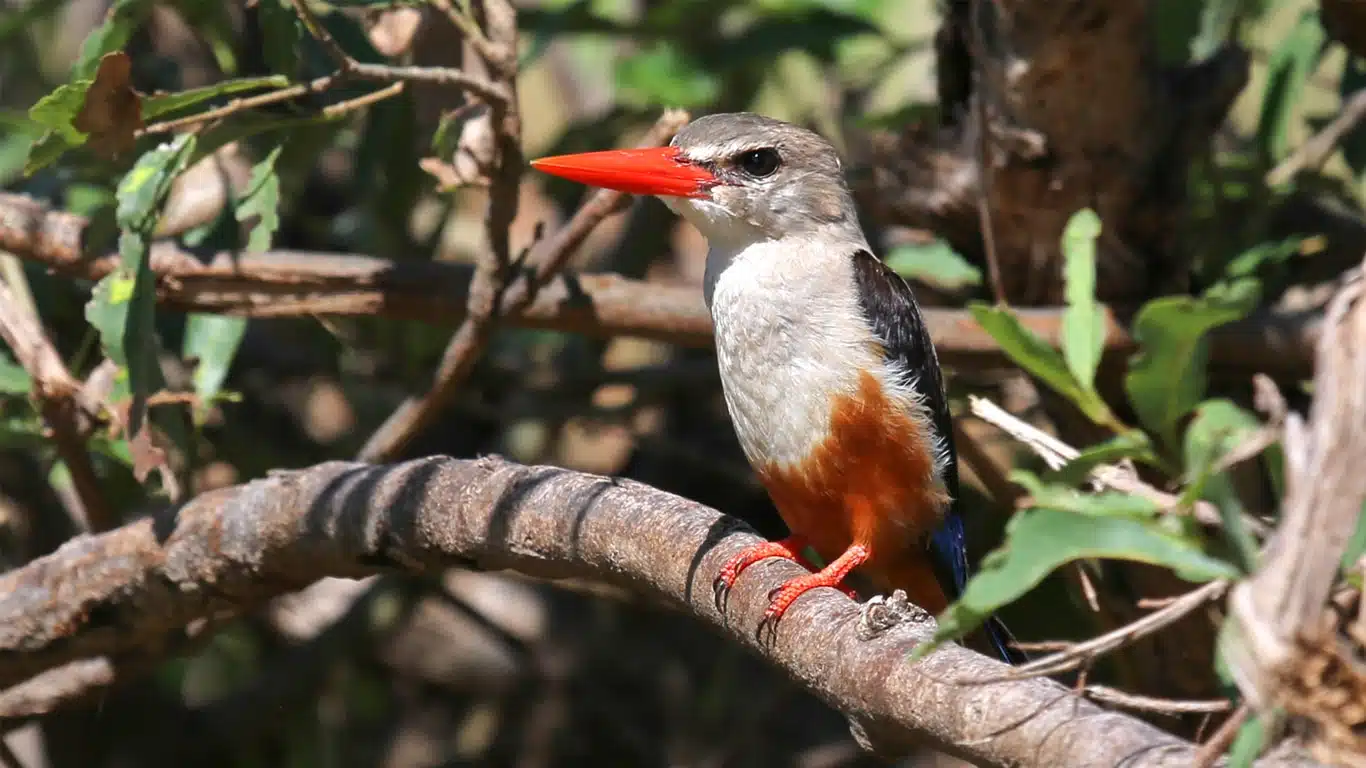
- Woodland kingfishers
The sounds inside the forest are extraordinary.
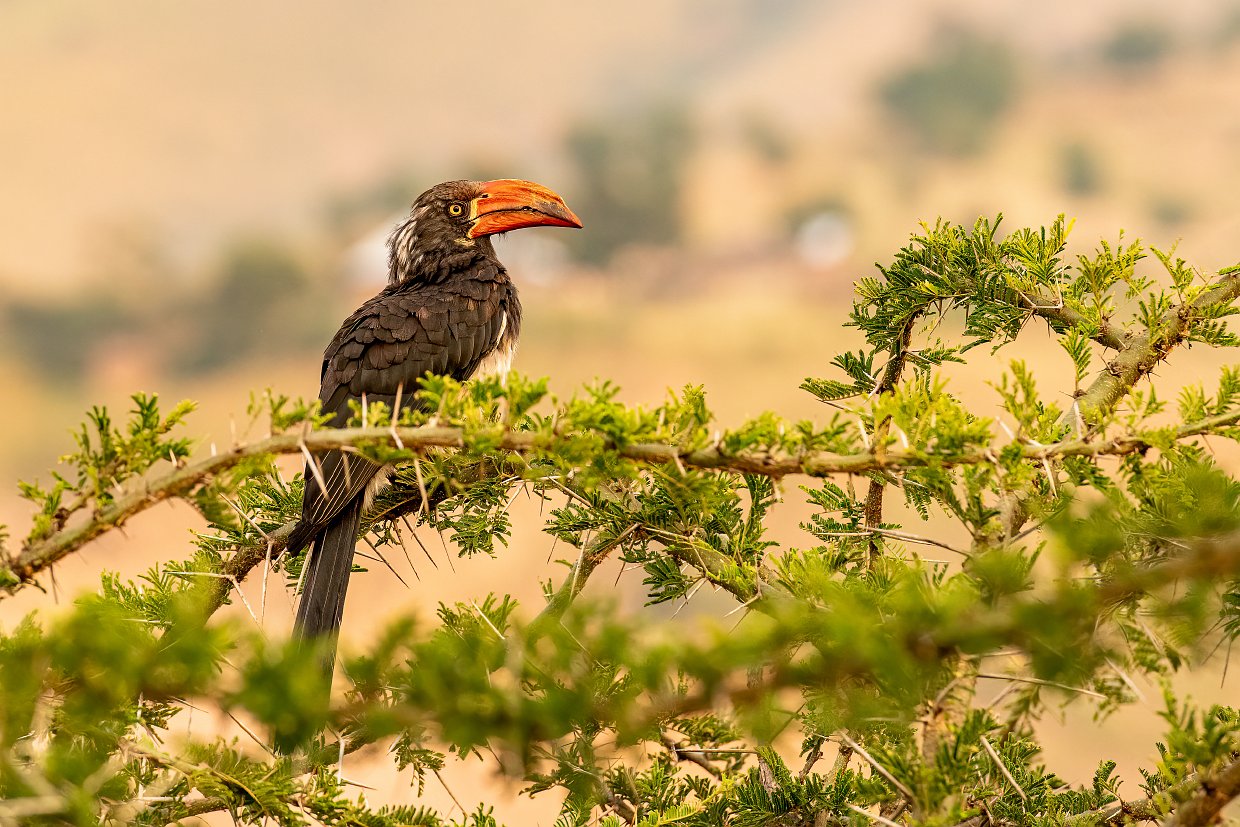
Bird calls echo through the trees while monkeys move quietly overhead and sunlight filters through thick canopies.
Many guests tell us these forest drives become some of the most peaceful and immersive moments of their entire safari.
Why May Is One of the Best Birding Months
Many travelers automatically choose the dry season for safaris, but May offers several major advantages for birdwatching enthusiasts.
Migratory Activity Peaks
Many migratory species remain active during May, taking advantage of the abundant food and wetland conditions.
Fewer Crowds
May is considered part of the green season, meaning fewer safari vehicles in the park.
Stunning Landscapes
Fresh grass, blooming flowers, dramatic clouds, and full water sources create breathtaking scenery that enhances every game drive.
Active Wildlife
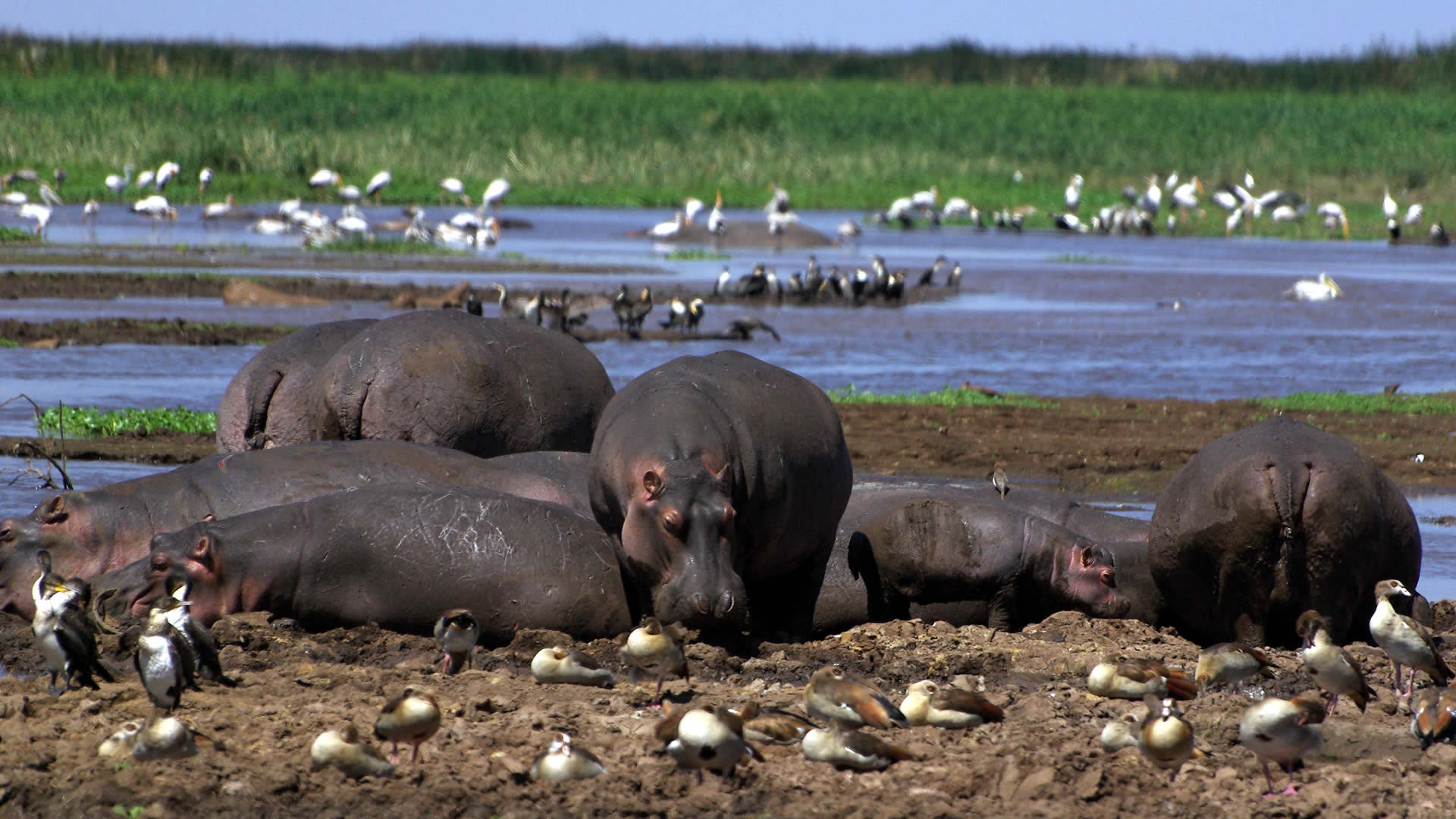
Lake Manyara still offers excellent wildlife viewing including elephants, giraffes, hippos, zebras, wildebeests, buffaloes, and the famous tree climbing lions.
Photography Opportunities Beyond Expectations
Lake Manyara in May is a dream destination for wildlife photographers.
The green season transforms ordinary safari scenes into vibrant compositions filled with texture, reflections, and dramatic skies.
Bird photography becomes especially rewarding because:
- Birds display brighter breeding plumage
- Wetlands attract large concentrations of species
- Cloud formations create dramatic backgrounds
- Morning light becomes softer and richer
- Water reflections add depth to images
At Tanzania Safari Source, we guide guests to some of the best bird photography locations within the park.
Discover Lake Manyara with Tanzania Safari Source
At Tanzania Safari Source, we love sharing the hidden side of Tanzania with our guests.
Lake Manyara during May is one of those rare safari experiences that combines tranquility, biodiversity, stunning scenery, and unforgettable birdlife.
Whether you are an experienced birder, a wildlife photographer, or simply a traveler looking for something unique, this season offers remarkable opportunities to connect with nature.
Beyond the elephants, lions, and giraffes lies a vibrant world of flamingos, pelicans, hornbills, eagles, and countless migratory species waiting to be discovered.
Join us and experience a safari where the skies are just as exciting as the savannah.
May at Lake Manyara is not only about wildlife sightings it is about witnessing the rhythm of migration, the beauty of seasonal transformation, and the quieter wonders that make Tanzania truly unforgettable.
Our package for you
Contact Us for the Best Choice of Your Safari