
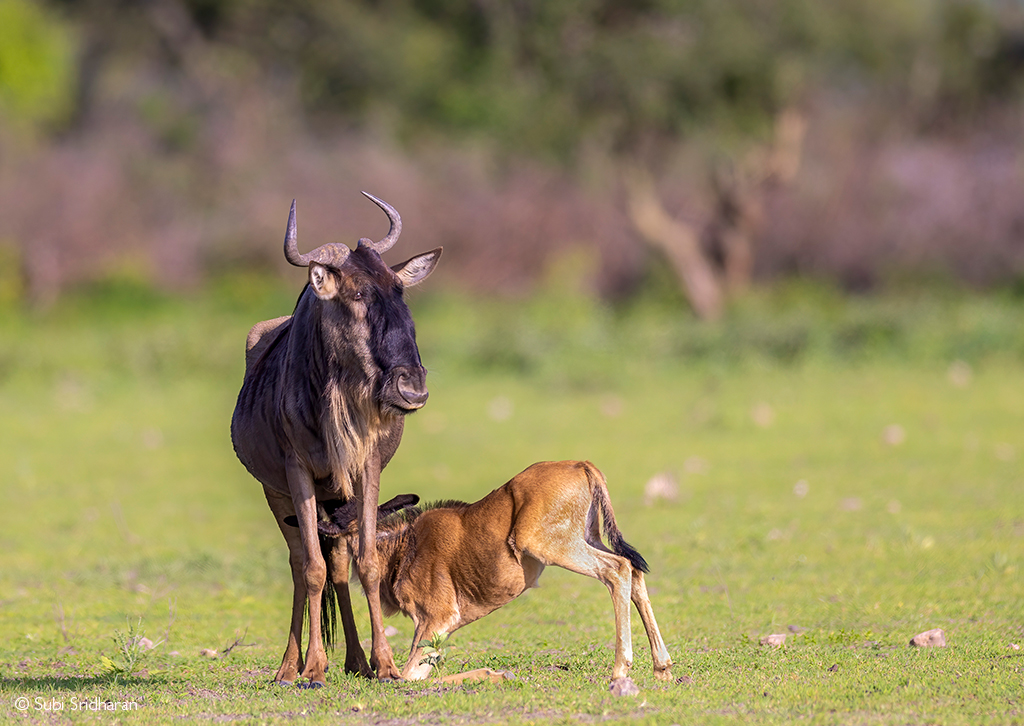
February Ndutu Calving Season: Witness the Birth of the Serengeti
February in Ndutu is nothing short of magical. The short grasses of the southern Serengeti and Ndutu plains turn lush and green, the skies stretch wide and dramatic, and life arrives in its most powerful form: birth. This is calving season when the Serengeti quite literally begins again.
For travelers who want to experience raw, emotional, and unforgettable wildlife moments, February in Ndutu is one of the most rewarding times to be on safari.
Our package for you
5 Day Calving Season Tanzania Safari
7 Day Calving Season Safari Family Adventure
A Landscape Made for New Life
Ndutu lies between the southern Serengeti and the Ngorongoro Conservation Area, a region defined by open plains, scattered acacia trees, seasonal lakes, and endless horizons. After the rains, the grass grows thick and nutrient rich, creating ideal conditions for newborn animals to thrive.
In February, the plains are alive with expectation. Every game drive feels like stepping into a wildlife documentary except you’re there, breathing it in, watching it unfold in real time.
The Miracle of Birth, Happening Everywhere
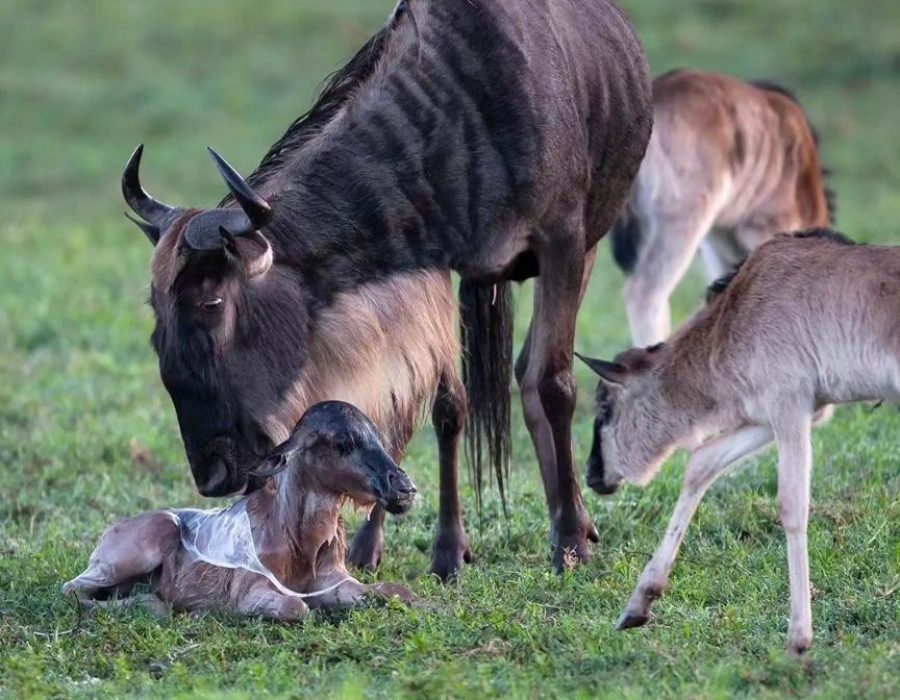
This is the peak month for calving. Thousands of wildebeest give birth within a short window, often with several calves born in the same hour. It’s not unusual to witness multiple births in a single game drive.
Newborn calves take their first unsteady steps just minutes after being born, driven by instinct to stand, walk, and stay close to their mothers. The scenes are tender, dramatic, and deeply moving mothers licking their calves clean, calves calling out softly, families regrouping in the open plains.
It’s one of the rare times in the wild where life, vulnerability, and resilience are all visible at once.
Predators on the Move
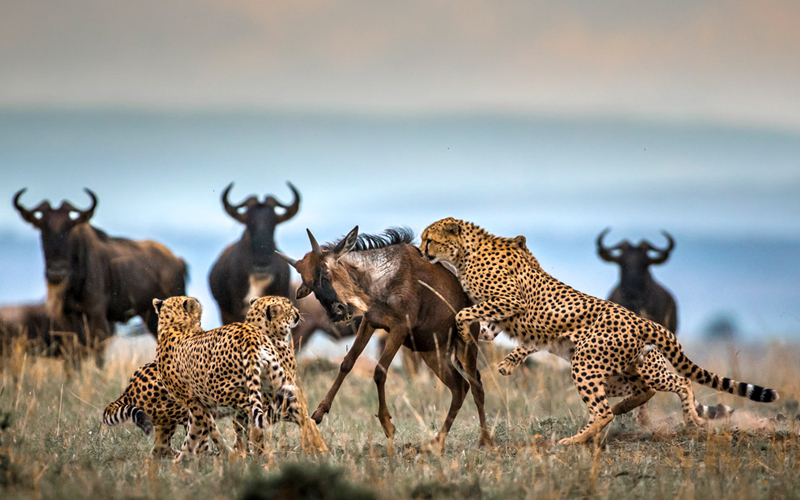
With so many young animals on the plains, Ndutu becomes a hotspot for predators. Lions, cheetahs, leopards, and hyenas are highly active during this period, offering some of the most intense and thrilling wildlife encounters of the year.
Cheetahs, in particular, thrive in the open Ndutu grasslands. February is an excellent time to see them hunting during daylight hours, using speed and precision in dramatic chases across the plains. Lions are often seen close to calving areas, while hyenas patrol constantly, alert and opportunistic.
The balance of life and death is on full display natural, unscripted, and unforgettable.
Exceptional Game Viewing and Fewer Crowds
Unlike peak-season months in other parts of the Serengeti, Ndutu in February still feels wonderfully open and uncrowded. The vast plains mean wildlife viewing is relaxed and unhurried, with fewer vehicles competing for sightings.
The terrain is ideal for game drives, and the soft green landscapes make wildlife easier to spot and stunning to photograph. Morning light, dramatic cloud formations, and golden sunsets elevate every scene.
A Photographer’s Dream
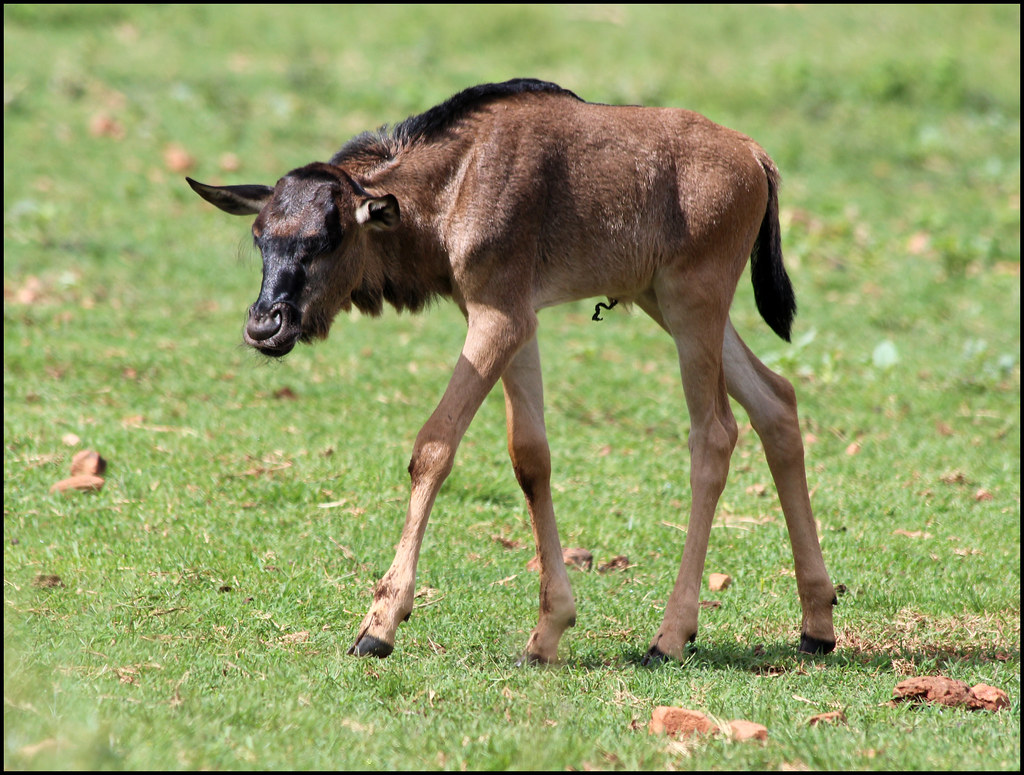
For photographers, February in Ndutu is pure gold. Newborn animals, predator action, intimate family moments, and sweeping landscapes come together in perfect harmony.
The light is soft, the colors are rich, and the subjects are endless. Whether you’re capturing a calf’s first steps, a cheetah mid chase, or a lioness watching over the plains, every frame tells a powerful story.
Why February in Ndutu Is So Special
Ndutu during calving season isn’t just about seeing animals it’s about witnessing beginnings. It’s about understanding the rhythm of the wild, where survival starts at birth and every moment matters.
If you’re looking for a safari experience filled with emotion, drama, beauty, and authenticity, February in Ndutu delivers it all. This is the Serengeti at its most alive where the future of the plains is born right before your eyes.
Contact Us for the Best Choice of Your Safari