
February in Serengeti National Park: The Calving Season Experience
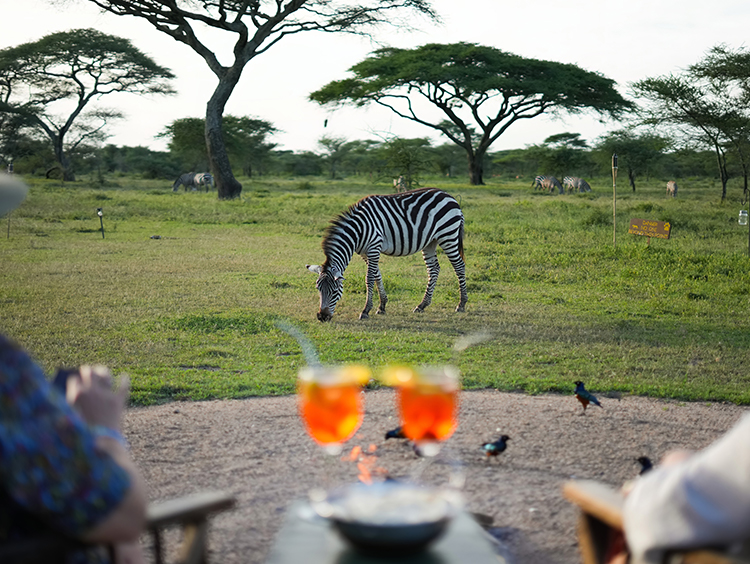
February is one of the most extraordinary months to visit the Serengeti. The southern plains are lush and green after the seasonal rains, wildlife gathers in impressive numbers, and the park feels vibrant and full of life. This is the heart of the calving season, a time when thousands of calves are born across the short grass plains, creating one of Africa’s most powerful wildlife spectacles.
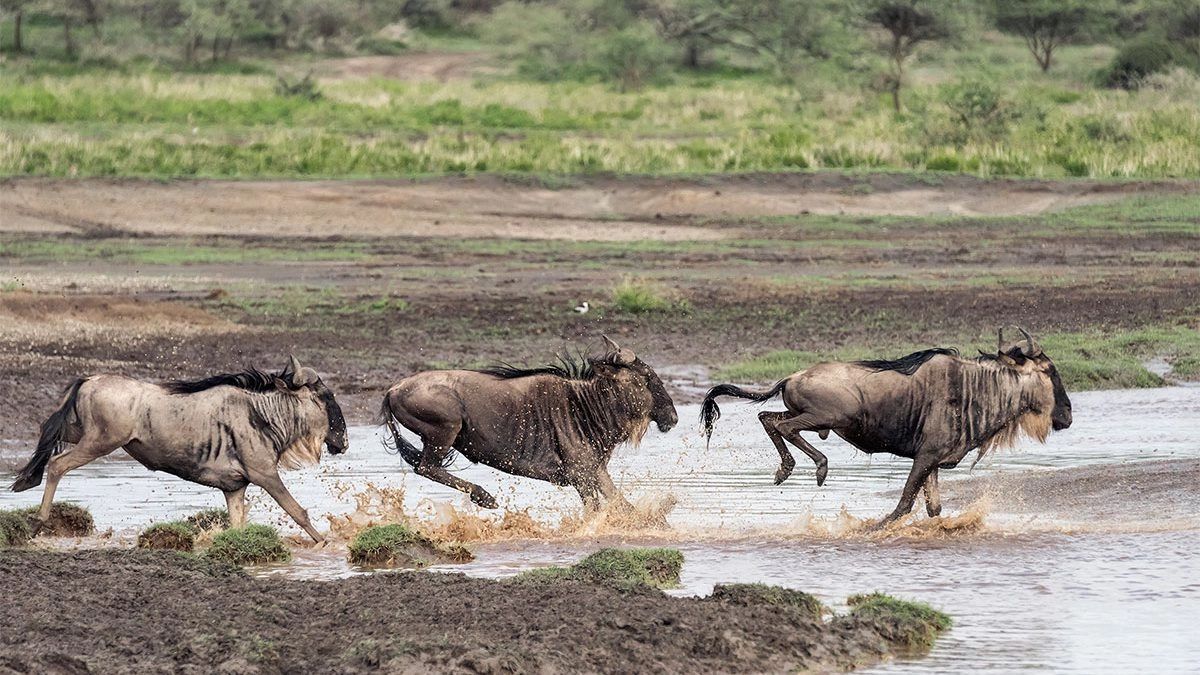
During this period, the Serengeti offers concentrated wildlife viewing, dramatic predator activity, and breathtaking landscapes all in one unforgettable safari experience.
Our package for you
The Magic of Calving Season
February marks the peak of the calving season in the southern Serengeti, especially around the Ndutu region. Over a short span of weeks, thousands of newborn calves arrive. Within minutes of birth, they stand, walk, and quickly learn to keep up with their mothers. Watching these first moments of life on the open plains is emotional, raw, and inspiring.
The abundance of newborns naturally attracts predators, making this one of the most dynamic times for wildlife encounters. Lions patrol the grasslands, cheetahs scan the horizon from termite mounds, and hyenas move strategically across the plains. The open landscape makes sightings easier and photography exceptional.
Landscapes and Weather
Unlike the dry golden tones seen later in the year, February brings a fresh green Serengeti. The plains stretch endlessly under dramatic skies, dotted with acacia trees and rocky kopjes. Sunrises and sunsets are particularly stunning, with soft clouds adding depth and color to every scene.
Temperatures are warm during the day, averaging between 25–30°C (77–86°F), with cooler mornings and evenings. Occasional light showers may occur, but they are usually brief and refreshing, keeping dust low and enhancing visibility during game drives.
Best Areas to Explore
The southern plains and Ndutu region are prime locations during February, offering high wildlife concentrations and excellent visibility. Central areas of Serengeti National Park also provide strong year round game viewing, making a combination of regions ideal for a well rounded safari.
Extend to Tanzania’s Northern Circuit
A February safari pairs perfectly with Tanzania’s Northern Circuit, adding dramatic scenery and diverse ecosystems to your journey. Highlights include:
-
Ngorongoro Crater – A spectacular volcanic caldera filled with abundant wildlife.
-
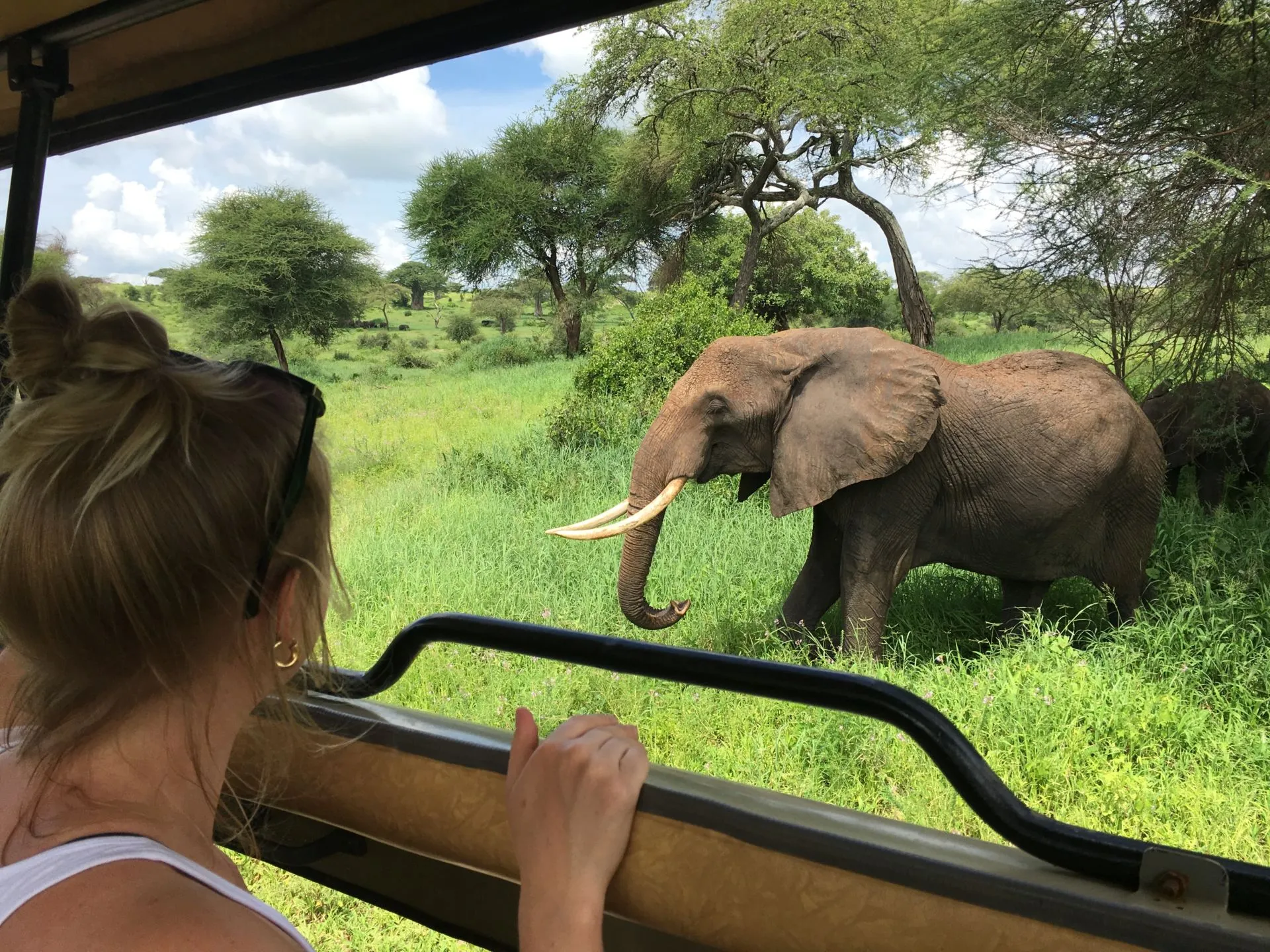
Tarangire National Park – Known for massive elephant herds and iconic baobab trees.
-
Lake Manyara National Park – A scenic park with varied habitats and rich birdlife.
-
Arusha – The gateway to northern Tanzania’s safari adventures.
Combining these destinations creates a diverse experience, from vast plains to crater floors and river valleys.
Bush to Beach: Zanzibar Escape
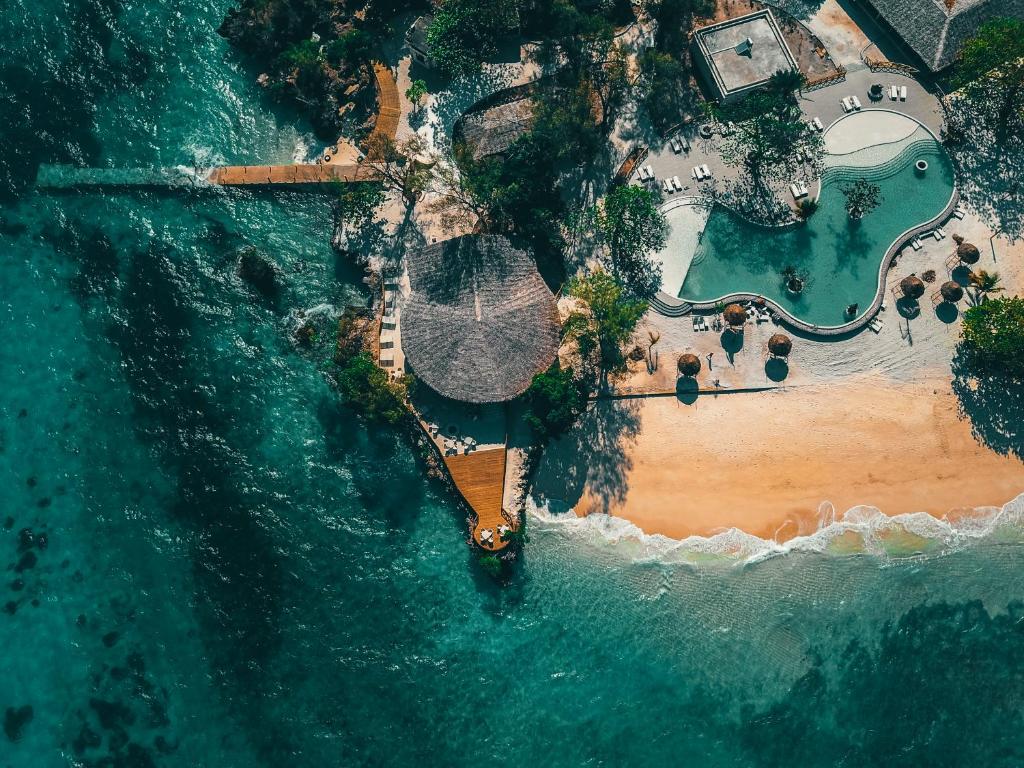
After thrilling days on safari, unwind on the white sand beaches of Zanzibar. Relax beside turquoise waters or explore the cultural charm of Stone Town. The contrast between wild savannah and tranquil ocean makes for a perfectly balanced Tanzanian journey.
Special February Offer
To celebrate calving season, we are offering a limited February safari package that includes private game drives, expert guides, flexible accommodation options, and Northern Circuit extensions. Guests also receive a complimentary bush sundowner and a special discounted Zanzibar beach add on.
Availability for February is limited, especially in the southern Serengeti. Early booking ensures prime wildlife viewing locations and the best lodge selections.
February in the Serengeti is vibrant, dramatic, and unforgettable a season of new life set against one of Africa’s most iconic landscapes.
Contact Us for the Best Choice of Your Safari