
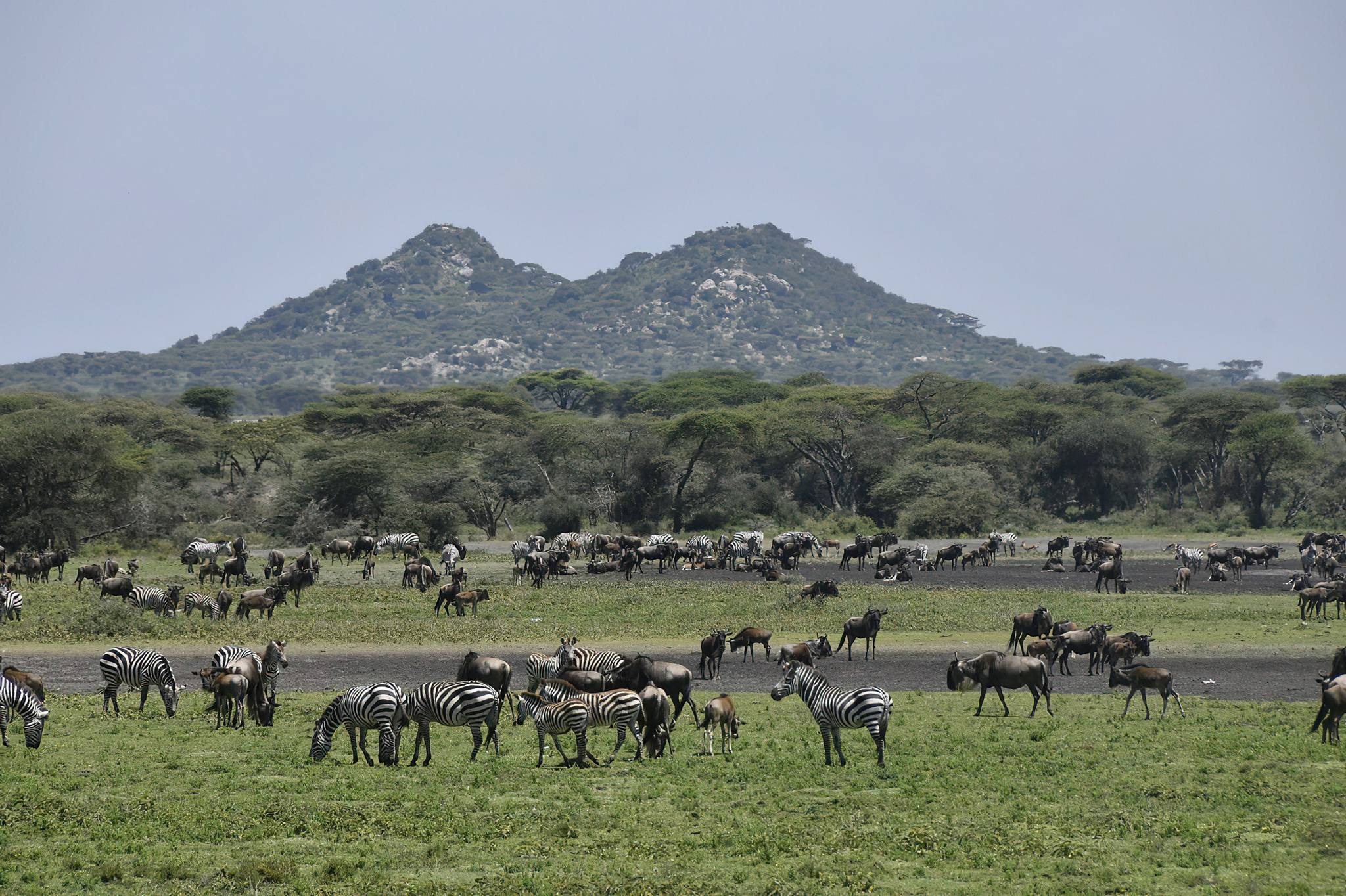
February in Tanzania: The Perfect Blend of Wildlife, Weather & Adventure
February is one of Tanzania’s most underrated yet spectacular months. Sitting comfortably between the festive season and the long rains of April and May, it offers travelers a beautiful balance of warm weather, dramatic skies, rich landscapes, and exceptional wildlife experiences without the peak season crowds.
Whether you’re exploring the endless plains of Serengeti National Park, descending into the wildlife rich Ngorongoro Crater, spotting giant elephants in Tarangire National Park, or relaxing on the white beaches of Zanzibar, February delivers an unforgettable mix of comfort and adventure.
1. Beautiful, Warm Weather Without the Extreme Heat
February falls during Tanzania’s short dry window between the “short rains” (November–December) and the heavier rains that typically begin later in March or April.
As shown in the forecast above for Arusha (the gateway to the northern safari circuit), daytime temperatures typically range between 25–29°C (77–85°F), with cooler mornings and evenings around 17–20°C (63–68°F).
-
Warm but rarely oppressive heat
-
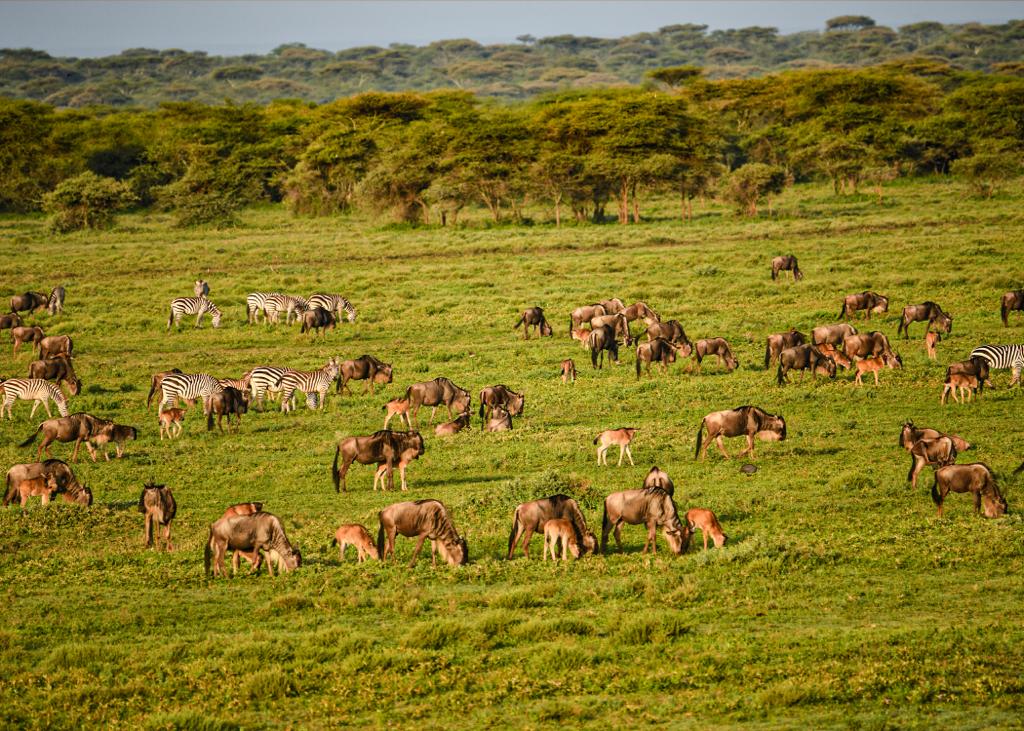
Lush green landscapes from earlier rains
-
Dramatic clouds that create stunning photography conditions
-
Occasional short afternoon showers that refresh the air
The result is comfortable safari conditions paired with vibrant scenery a rare and beautiful combination.
2. Incredible Wildlife Viewing
February is a fantastic wildlife month across Tanzania’s parks.
The Serengeti
In Serengeti National Park, wildlife is abundant year-round. February offers:
-
Large concentrations of grazing animals
-
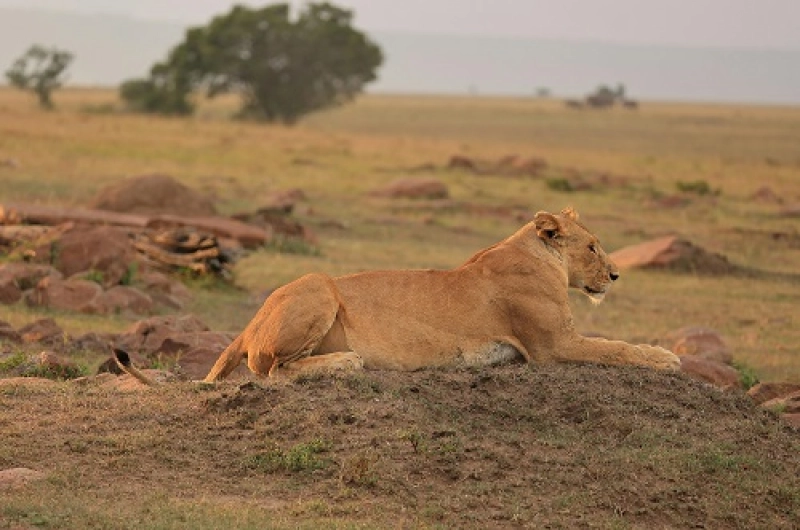
Excellent predator sightings, including lions, cheetahs, and leopards
-
Active wildlife behavior thanks to fresh grazing areas
The grass is still relatively short in many areas, making wildlife easier to spot compared to the taller grass later in the rainy season.
Ngorongoro Crater
The Ngorongoro Crater is a wildlife haven in any season, but February is particularly pleasant. The crater floor is green and thriving, supporting:
-
Large herds of buffalo and zebra
-
Lions lounging in open plains
-
Hippos cooling off in permanent water pools
-
Rare black rhinos in protected zones
Because the crater has a natural enclosure, wildlife viewing remains excellent throughout the year and February’s mild weather makes game drives even more enjoyable.
Tarangire National Park
In Tarangire National Park, famous for its massive baobab trees and large elephant herds, February offers a quieter, more intimate safari experience.
You can expect:
-
Elephants moving in family groups
-
Giraffes browsing among acacia trees
-
A wide variety of birdlife thanks to seasonal water sources
Bird enthusiasts especially love February, as many migratory species are present.
3. Fewer Crowds, More Personal Safari Experiences
February is considered a shoulder season month in Tanzania.
This means:
-
Fewer vehicles at wildlife sightings
-
More space in popular parks
-
Better lodge availability
-
A more relaxed atmosphere
Unlike peak season months (July–October), you’re less likely to queue behind multiple safari vehicles at a single sighting. Instead, you may find yourself enjoying wildlife moments in peaceful silence.
4. Stunning Green Landscapes
After the short rains, Tanzania’s landscapes are fresh and vibrant.
The plains turn a rich green, wildflowers bloom in certain areas, and the skies often feature dramatic cloud formations — ideal for photography. Sunrise and sunset in February can be spectacular, with golden light reflecting off lush grasslands.
The contrast between wildlife and the green environment creates some of the most beautiful safari imagery of the year.
5. Excellent Beach Weather in Zanzibar
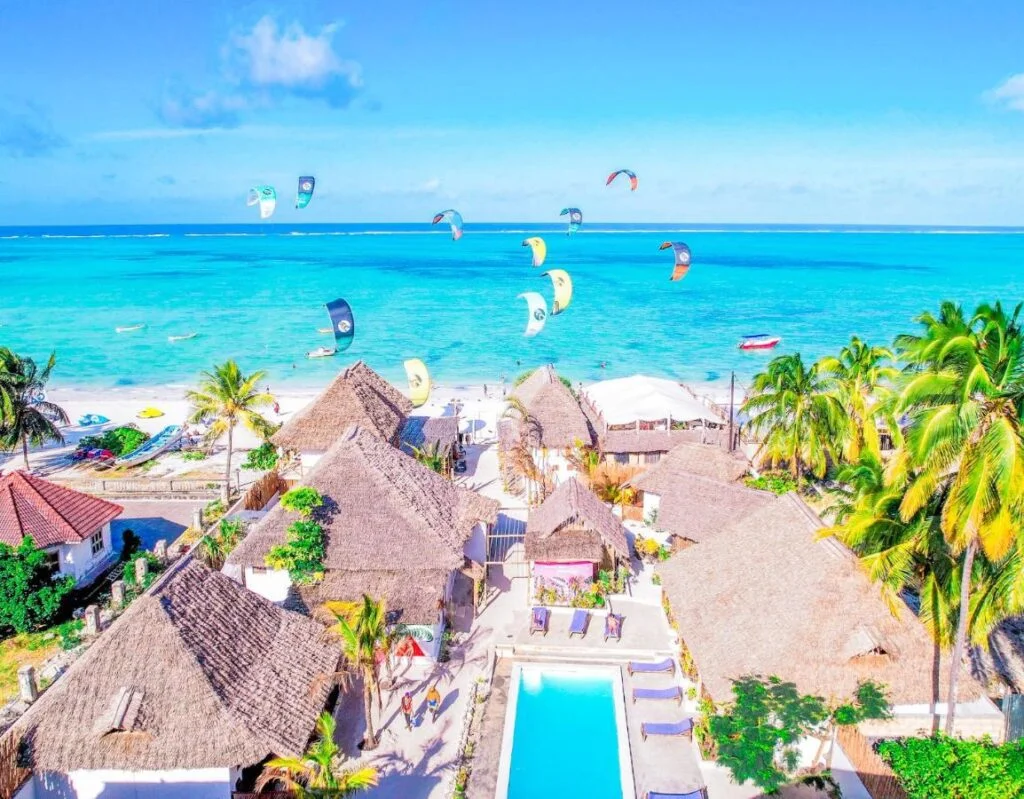
If you’re combining safari with the coast, February is one of the best months to visit Zanzibar.
You can expect:
-
Warm ocean temperatures
-
Plenty of sunshine
-
Clear water for snorkeling and diving
-
Ideal beach conditions before the heavier rains arrive
Stone Town’s narrow alleys feel lively but not overcrowded, and beach resorts along Nungwi and Kendwa enjoy long sunny days perfect for relaxation after a safari adventure.
6. Birdwatching Paradise
February is prime time for bird lovers.
Across northern Tanzania especially in Tarangire National Park, Lake Manyara National Park, and the Serengeti you’ll find:
-
Migratory species from Europe and Asia
-
Colorful breeding plumage
-
Active birdlife around seasonal water pools
Flamingos often gather along alkaline lakes, and raptors soar across open skies. Even casual birdwatchers are amazed by the diversity.
7. Perfect Conditions for Adventure Activities
February isn’t just about safari vehicles.
It’s also an excellent month for:
-
Walking safaris
-
Cultural visits to Maasai communities
-
Hot air balloon safaris over the Serengeti
-
Coffee tours in Arusha
-
Hiking around the Ngorongoro Highlands
For climbers, February is also considered one of the favorable months to summit Mount Kilimanjaro, thanks to relatively stable weather and clear views from higher elevations.
Final Thoughts: Why February Stands Out
February in Tanzania is about balance warm, pleasant weather, abundant wildlife, lush landscapes, fewer tourists, excellent beach conditions, and strong value for luxury travel.
It’s a month where adventure meets comfort, where game drives feel intimate, sunsets glow against green horizons, and the rhythm of Africa unfolds without rush.
Our package for you
Contact Us for the Best Choice of Your Safari