
February Safari in Tanzania: Weather, Wildlife & Travel Tips
February is one of the most rewarding months to experience a safari in Tanzania. With lush green landscapes, dramatic skies, and abundant wildlife activity, it offers a beautiful balance between scenery and game viewing. While it falls within the “green season,” this time of year provides excellent value, fewer crowds, and unforgettable photographic opportunities.
Below is everything you need to know about visiting Tanzania in February from weather patterns to wildlife highlights and practical travel tips.
Our package for you
7 Day Honeymoon Safari - Ndutu
1. February Weather in Tanzania
February is part of Tanzania’s short rainy season, but don’t let that discourage you. Rain typically falls in brief afternoon or evening showers rather than all day downpours.
What to Expect:
-
Daytime temperatures: 25–30°C (77–86°F)
-
Nighttime temperatures: 15–20°C (59–68°F)
-
Rain pattern: Short, scattered thunderstorms
-
Landscape: Lush, green, and vibrant
In northern safari destinations such as Serengeti National Park, Ngorongoro Crater, Tarangire National Park, and Lake Manyara National Park, February mornings are usually clear and fresh. Afternoon clouds may build up, bringing short bursts of rain that quickly pass.
The benefit? Fewer vehicles in the parks, dramatic skies for photography, and cooler temperatures compared to the hotter dry-season months.
2. Wildlife Viewing in February
Wildlife remains abundant in February, and the green scenery adds a beautiful backdrop to game drives.
Excellent Predator Sightings
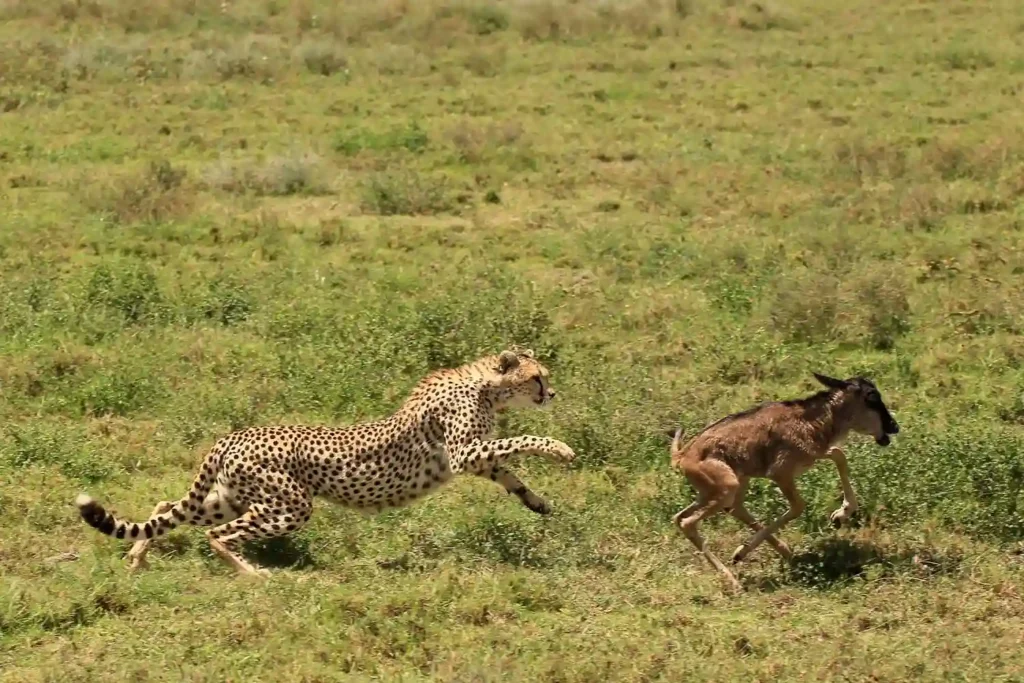
Lions, leopards, and cheetahs remain active year round. The tall grasses can make spotting slightly more challenging than in peak dry season, but experienced guides know where to look especially around water sources and open plains.
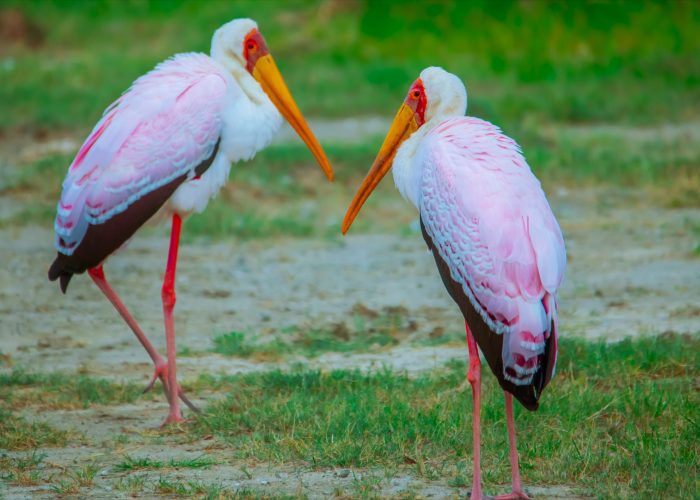
Birdwatching at Its Best
February is a fantastic month for bird lovers. Migratory species from Europe and Asia are present, and resident birds display vibrant breeding plumage. Wetlands and lakes are especially lively.
Baby Animals
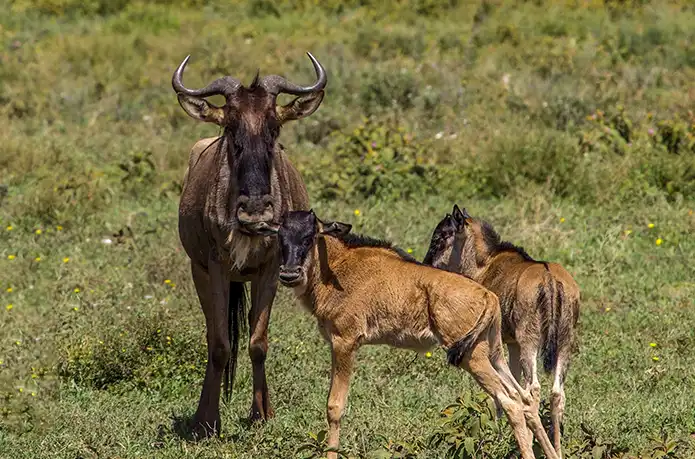
Many species give birth during the green season when food is plentiful. You may spot young antelopes, zebras, and other herbivores learning to navigate the wild an unforgettable sight.
3. Landscape & Photography
February transforms Tanzania into a photographer’s dream:
-
Emerald grasslands
-
Wildflowers in bloom
-
Reflective water pools
-
Towering storm clouds against golden sunsets
The contrast between dramatic skies and wildlife silhouettes creates extraordinary photo opportunities. Early morning light is particularly magical.
4. Advantages of a February Safari
Fewer Crowds
February falls outside peak tourism months. Lodges and camps are less crowded, and sightings often feel more private.
Better Rates
Many safari camps offer green-season pricing, meaning you can enjoy luxury experiences at more affordable rates.
Comfortable Climate
While warm, February avoids the extreme heat seen later in the year. Evenings are cool and pleasant, especially in highland areas like the Ngorongoro region.
5. Travel Tips for February
1. Pack Smart
Bring:
-
Lightweight, breathable clothing
-
A light rain jacket or poncho
-
Waterproof covers for cameras
-
Neutral colored safari wear
-
A warm layer for early mornings
2. Choose the Right Safari Vehicle
Ensure your operator uses well maintained 4x4 vehicles, as occasional muddy tracks can occur after rain.
3. Plan Flexible Game Drives
Weather can influence animal movement. Morning drives are typically best, with a break during midday heat or showers.
4. Combine Safari with the Coast
February is also a lovely time to extend your trip to Zanzibar, where you’ll find warm ocean waters and tropical beaches. A bush-and-beach combination works perfectly this time of year.
6. Is February a Good Time for You?
A February safari is ideal if you:
-
Prefer fewer tourists
-
Enjoy lush green landscapes
-
Want better value on accommodation
-
Love wildlife photography
-
Appreciate dramatic skies and vibrant scenery
If you prioritize bone dry conditions and ultra-short grass for easier spotting, the dry season may suit you better. However, many experienced safari travelers consider February one of Tanzania’s hidden gems.
Final Thoughts
A February safari in Tanzania offers a unique blend of rich scenery, active wildlife, and peaceful game viewing. The combination of refreshing rains, vibrant ecosystems, and fewer visitors creates an intimate and visually stunning safari experience.
For travelers seeking authenticity, color, and exceptional value, February is a beautiful time to explore Tanzania’s wild heart.
Contact Us for the Best Choice of Your Safari