
February Wildlife Safari in Serengeti National Park: The Magic of Calving Season
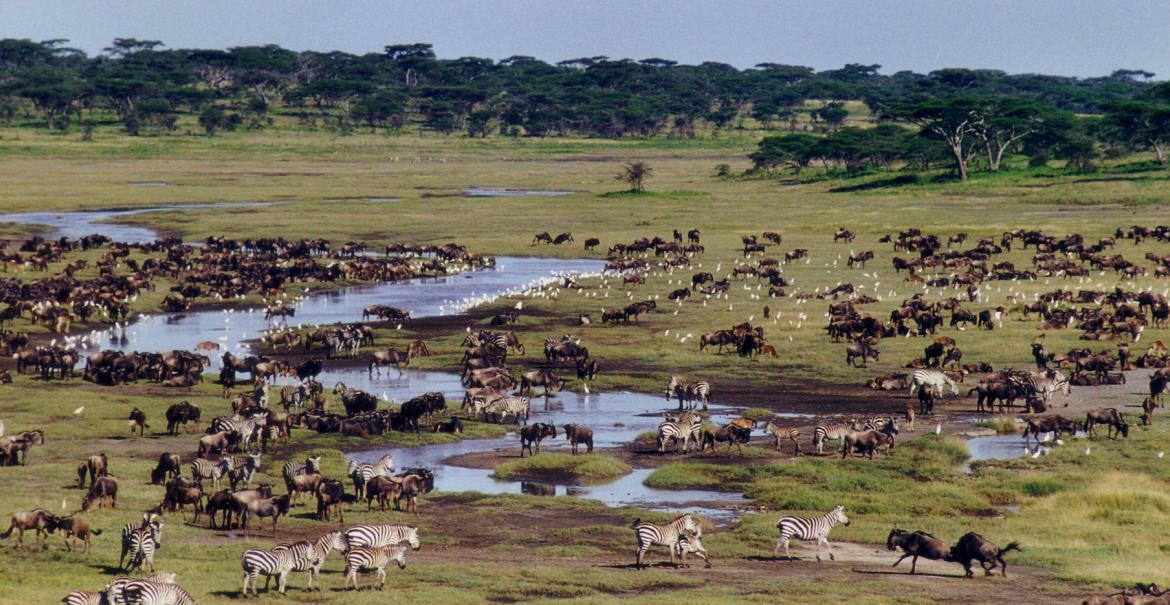
February in Tanzania is a time of renewal across the vast plains of Serengeti National Park. The short rains have passed, leaving behind lush, emerald grasslands that stretch to the horizon. The air feels fresh, the skies are dramatic and expansive, and wildlife activity reaches one of its most extraordinary peaks of the year.
For travelers seeking an authentic and unforgettable safari experience, February offers something truly magical: calving season. This is the time when thousands of wildebeest give birth across the southern plains, creating one of the most remarkable wildlife spectacles in Africa.
Our pakacke for you
A Season of New Life
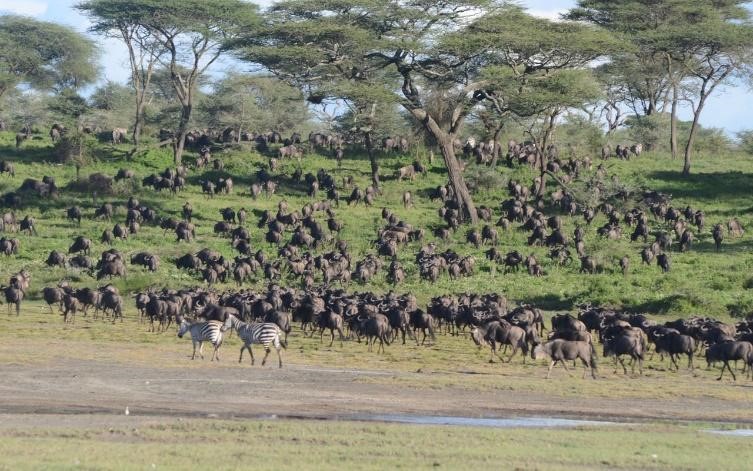
During February, the southern Serengeti and the Ndutu plains transform into a nursery of newborn animals. Over a short span of weeks, thousands of wildebeest calves are born each day. The abundance of fresh grass provides ideal nutrition for mothers, ensuring strong and healthy newborns.
What makes this period so extraordinary is the sheer concentration of life. The plains seem to ripple with movement mothers grazing carefully while their newborn calves wobble beside them on unsteady legs. Within minutes of birth, calves are able to stand. Within hours, they can run. This rapid development is essential for survival in a landscape shared with predators.
For safari guests, witnessing these first fragile moments of life in the wild is both emotional and humbling. The cycle of nature unfolds in real time, offering a powerful reminder of the Serengeti’s raw beauty and balance.
Predator Action at Its Peak
Where there is an abundance of prey, predators are never far away. February is one of the most thrilling months for big cat sightings in the Serengeti.
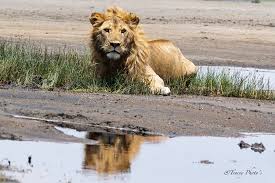
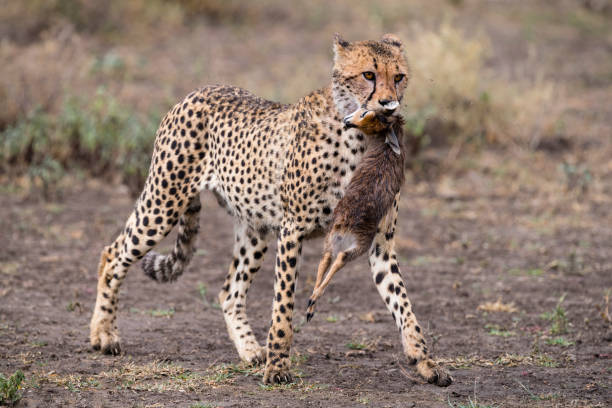
Lions patrol the grasslands with heightened alertness. Cheetahs, masters of speed and precision, take advantage of the open terrain. Leopards remain elusive but are often seen along riverine woodlands and rocky outcrops. Hyenas and jackals also play their part in this dynamic ecosystem.
The presence of newborn animals naturally attracts predators, resulting in dramatic wildlife encounters. While these moments can be intense, they reflect the authentic rhythm of life in the Serengeti. Experienced safari guides skillfully position vehicles to ensure guests witness the action safely and respectfully.
Exceptional Wildlife Photography Opportunities
February is often considered one of the best months for wildlife photography in the Serengeti. The reasons are compelling:
-
Vibrant green landscapes provide striking contrast against wildlife.
-
Soft, diffused light after seasonal rains enhances image quality.
-
Dramatic skies create stunning backdrops for wide angle shots.
-
High animal concentration allows for frequent and diverse sightings.
Photographers can capture tender moments between mothers and calves, fast paced predator chases, and breathtaking savannah panoramas all in a single day.
Weather and Safari Conditions
February falls within the dry spell between the short rains and the long rains. Days are typically warm and pleasant, with temperatures averaging between 25–30°C (77–86°F). Occasional brief showers may occur, but they rarely disrupt safari activities.
The roads across the southern Serengeti are generally accessible, and the landscape remains lush and visually stunning. Unlike peak season months, February can also feel less crowded, allowing for a more intimate and exclusive safari experience.
Birdlife in Bloom
The Serengeti’s calving season coincides with excellent birdwatching opportunities. Migratory birds from Europe and North Africa are present, joining resident species in dazzling displays of color and sound.
From vibrant bee eaters to majestic raptors circling overhead, February provides a diverse and rewarding experience for bird enthusiasts.
Why Choose February for Your Serengeti Safari?
A February safari offers a rare combination of:
-
Abundant wildlife activity
-
Dramatic predator prey interactions
-
Stunning green scenery
-
Excellent photographic conditions
-
Comfortable weather
More than just a safari, it is an immersion into one of nature’s most profound chapters the season of birth and renewal.
A Safari Experience to Remember
There is something deeply moving about standing on the plains of Serengeti National Park in February. The air hums with life. Newborn calves take their first uncertain steps. Lions watch from the golden grass. The cycle of nature continues as it has for millennia.
For travelers seeking authenticity, drama, and beauty all in one journey, a February wildlife safari in the Serengeti offers an experience that stays with you long after you leave Africa. It is not simply about seeing animals it is about witnessing life begin, unfold, and endure in one of the world’s most iconic wildernesses.
Contact Us for the Best Choice of Your Safari