
Great Migration 2026: Where to See the Wildebeest Herds in June, July & August
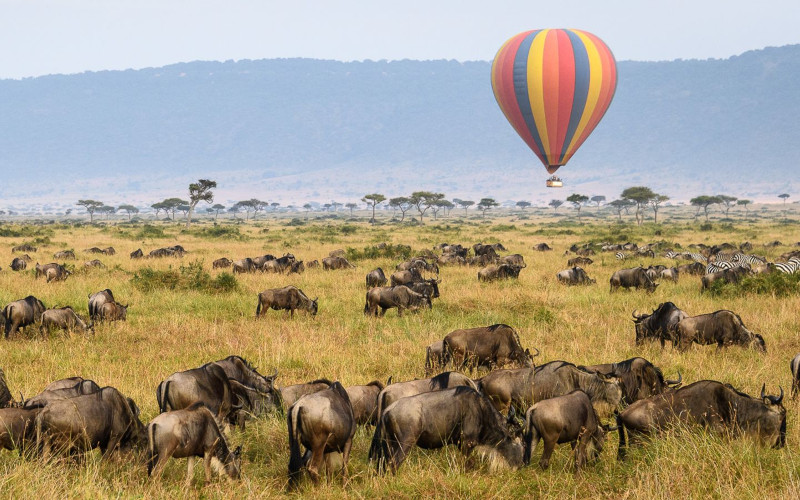
Every year, millions of wildebeest, accompanied by zebras and gazelles, begin one of the most extraordinary wildlife journeys on Earth. Known as the Great Migration, this annual movement across the Serengeti ecosystem is driven by rainfall and the search for fresh grazing. It is not only the largest land migration in Africa but also one of the most remarkable natural spectacles in the world.
For anyone planning a Tanzania safari in 2026, June, July, and August are among the most rewarding months to witness this incredible event. During these months, the herds travel through the western and northern Serengeti before gathering around the famous Mara River, where dramatic crossings often take place.
At Tanzania Safari Source, we specialize exclusively in Tanzania's Northern Circuit. Our local knowledge allows us to design safari itineraries that follow the seasonal movement of the migration, giving our guests the best opportunity to witness this breathtaking wildlife spectacle while exploring some of Africa's most iconic landscapes.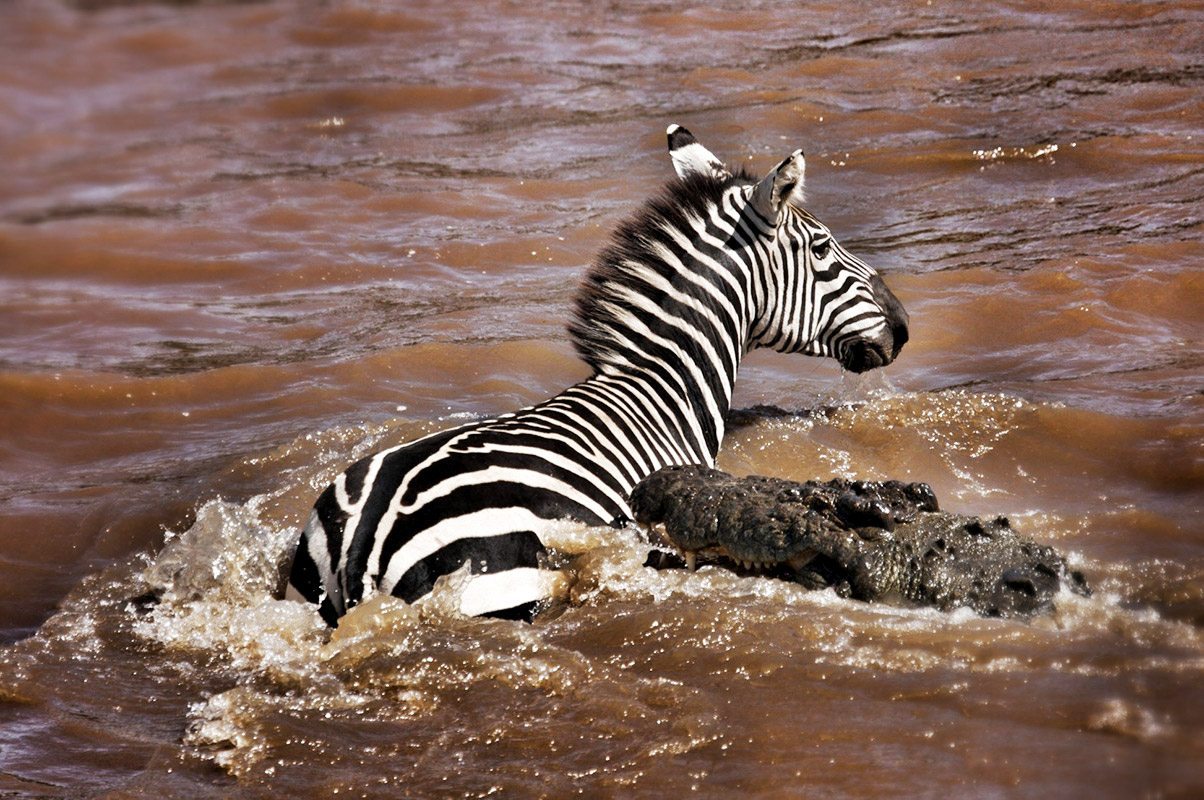
Understanding the Great Migration
Many travelers imagine the Great Migration as a single event, but in reality, it is a continuous cycle that never truly ends. The migration follows seasonal rainfall rather than fixed dates, meaning the exact location of the herds changes from month to month.
The wildebeest instinctively move toward fresh grass and reliable water sources. As they travel, hundreds of thousands of zebras and gazelles accompany them, while predators such as lions, leopards, cheetahs, hyenas, and crocodiles closely follow the herds.
Although nature always remains unpredictable, decades of wildlife observations allow us to anticipate where the migration is most likely to be during different times of the year. June, July, and August consistently offer some of the best wildlife experiences in Northern Tanzania.
June 2026: The Journey Toward the North Begins
June marks the beginning of the dry season across Northern Tanzania. As rainfall decreases, the grasslands of the central Serengeti begin to dry out, encouraging the migration to continue its journey toward the western and northern regions.
During this month, the herds are commonly found across the Central Serengeti, the Western Corridor, and the Grumeti region. Because the migration stretches over many kilometers, visitors often witness enormous concentrations of wildebeest covering the plains as far as the eye can see.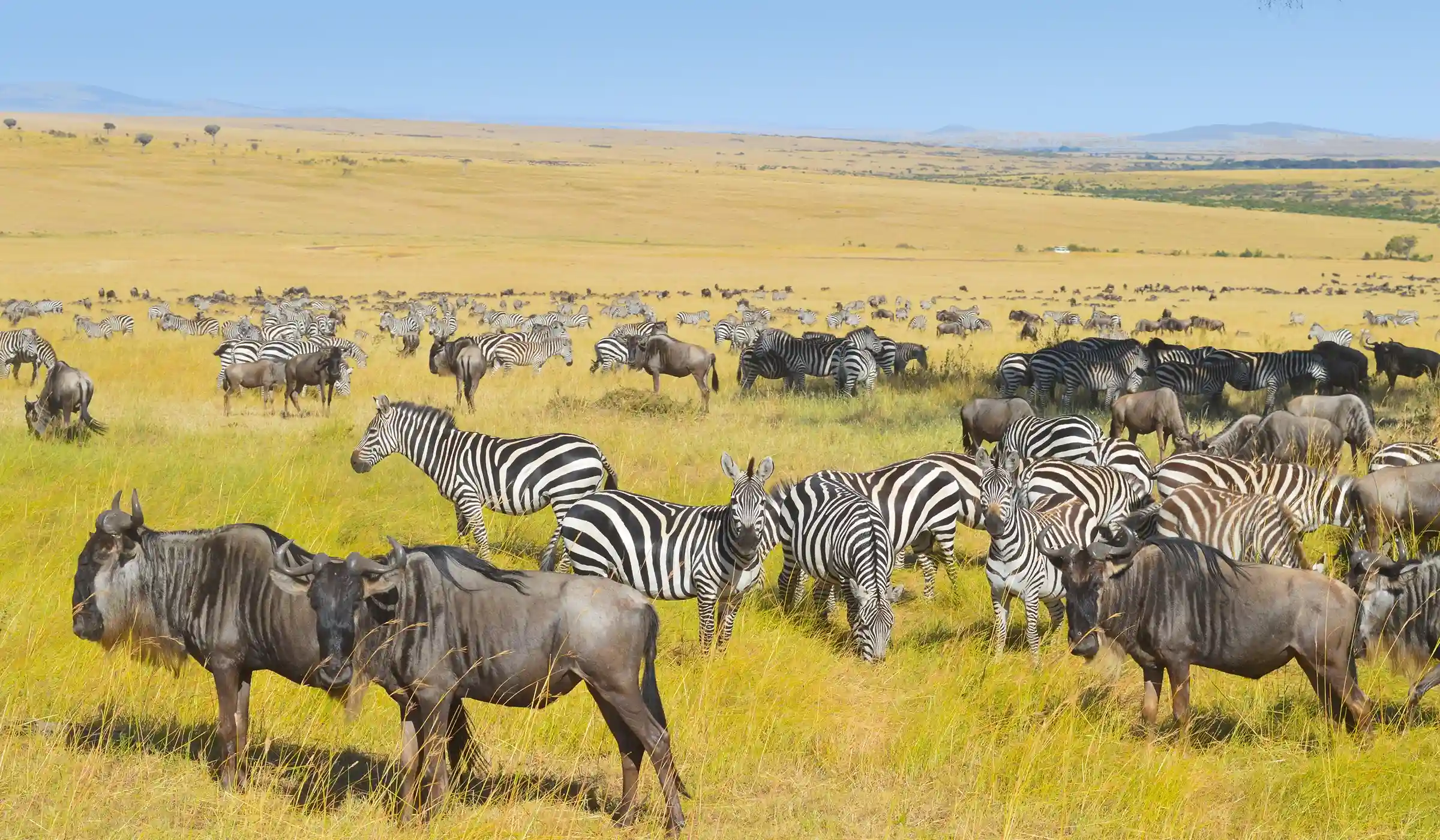
June is also one of our favorite months for game viewing. The shorter grass makes wildlife easier to spot, while predators become increasingly active as they take advantage of the moving herds. During game drives, we regularly encounter lions, elephants, giraffes, buffaloes, leopards, cheetahs, hyenas, zebras, gazelles, and countless bird species alongside the migration.
Photography conditions are exceptional during June. The dry weather, soft golden light, and clear skies create ideal conditions for capturing wildlife without the haze that is more common during the rainy season.
Toward the second half of June, some wildebeest begin crossing the Grumeti River. Although these crossings are generally smaller than those at the Mara River later in the season, they remain exciting wildlife encounters. Crocodiles wait patiently beneath the water while predators patrol nearby, creating unforgettable safari moments.
July 2026: The Northern Serengeti Takes Center Stage
July is widely regarded as one of the finest months for a safari in Tanzania. By now, large sections of the migration have reached the Northern Serengeti, particularly around Kogatende, Lamai, and the Mara River.
This is when anticipation begins to build around the famous river crossings.
Unlike many people expect, the wildebeest do not immediately cross the river after arriving. Large herds often gather along the riverbanks for several days before finally making the decision to cross. Sometimes they approach the water, hesitate, and retreat before returning later.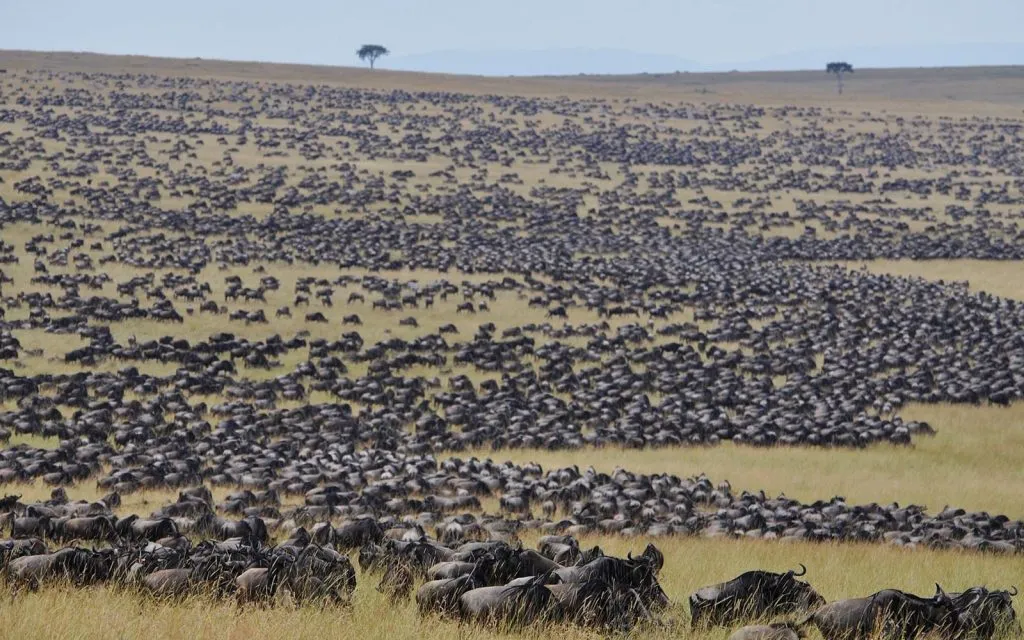
This unpredictability is exactly what makes every safari unique.
During July, we carefully plan our itineraries to maximize the time spent in the Northern Serengeti, allowing our guests to explore multiple river crossing points while enjoying exceptional wildlife viewing throughout the surrounding plains.
Even when a crossing is not taking place, the area remains incredibly rewarding. Visitors frequently see elephants, giraffes, buffaloes, lions, leopards, cheetahs, hippos, crocodiles, zebras, and numerous bird species throughout the region.
The weather during July is another major advantage. Days are generally sunny, rainfall is minimal, and road conditions are excellent, making it one of the most comfortable months for game drives.
August 2026: Peak Mara River Crossing Season
For many safari enthusiasts, August represents the highlight of the Great Migration.
Large herds gather around the Mara River as they continue moving between Tanzania and Kenya in search of greener grazing. Since the animals frequently cross back and forth depending on changing conditions, visitors have excellent opportunities to witness river crossings throughout the month.
Watching thousands of wildebeest plunge into the Mara River is an experience unlike any other. Strong currents, steep riverbanks, and enormous Nile crocodiles make every crossing a true test of survival. Lions, leopards, and hyenas often wait nearby, knowing the migration creates excellent hunting opportunities.
Despite these dangers, instinct drives the herds forward.
Sometimes only a few hundred animals cross the river.
At other times, thousands surge into the water within minutes, creating one of the most dramatic wildlife spectacles in Africa.
No two crossings are ever the same, making every safari a unique experience.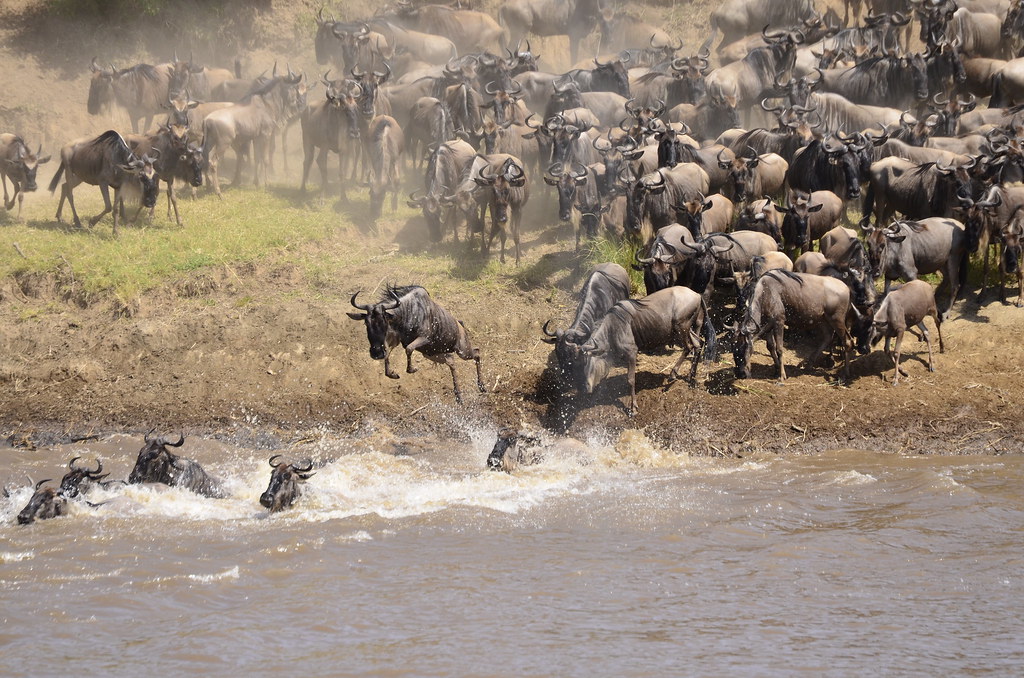
Why Timing Is So Important
Unlike sporting events or scheduled attractions, the Great Migration follows nature rather than a calendar.
Rainfall patterns determine where fresh grass grows, and the wildebeest respond accordingly. This means that while wildlife experts can predict the general movement of the herds, no one can guarantee exactly when or where a river crossing will occur.
At Tanzania Safari Source, we continuously monitor migration updates and maintain close communication with experienced guides working throughout the Serengeti. This allows us to adjust safari plans whenever necessary and position our guests in the areas offering the best wildlife opportunities.
Our experience across Tanzania's Northern Circuit helps us create flexible itineraries that make the most of changing wildlife conditions.
The Best Safari Itinerary During the Migration
For travelers visiting between June and August, we usually recommend spending several nights inside Serengeti National Park. The longer you stay, the greater your chances of witnessing river crossings and observing the migration from different locations.
Many of our guests combine the migration with other iconic destinations in Northern Tanzania, creating a well-rounded safari experience that includes Tarangire National Park, the Ngorongoro Conservation Area, and the Serengeti.
This combination offers incredible wildlife diversity, breathtaking scenery, and opportunities to experience Tanzania's most celebrated national parks within a single journey.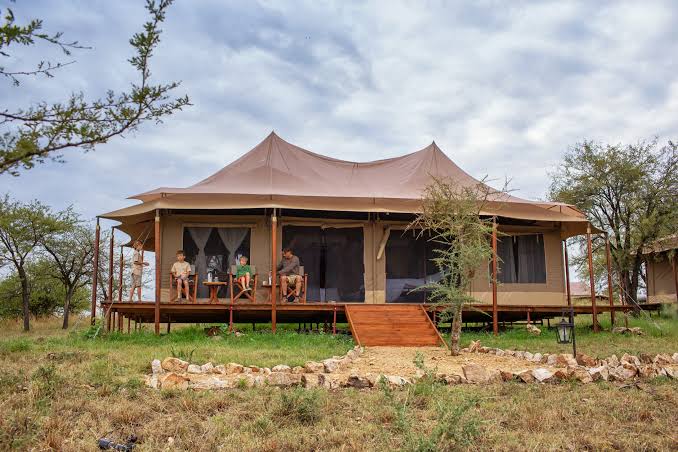
More Than Just the Migration
Although the wildebeest attract most of the attention, the migration is only one part of an unforgettable safari.
Northern Tanzania is home to an extraordinary variety of wildlife throughout the year. During your journey, it is common to encounter elephants, lions, leopards, cheetahs, buffaloes, giraffes, zebras, hippos, crocodiles, gazelles, warthogs, monkeys, and hundreds of bird species.
The Ngorongoro Crater offers one of the best opportunities to see the endangered black rhino, while Tarangire National Park is famous for its enormous elephant population and ancient baobab trees.
Even if a river crossing does not happen during a particular game drive, every day on safari offers remarkable wildlife encounters.
Photography During June, July, and August
These three months provide outstanding conditions for wildlife photography.
Dry weather creates excellent visibility, while the golden light during sunrise and sunset transforms the Serengeti into one of the world's most beautiful natural landscapes.
Whether you are using a smartphone, a mirrorless camera, or professional photography equipment, the migration offers endless opportunities to capture dramatic wildlife moments, sweeping landscapes, and unforgettable memories.
What Should You Pack?
Preparing properly will make your safari much more comfortable.
We recommend packing lightweight clothing in neutral colors, a warm jacket for early morning game drives, comfortable walking shoes, sunglasses, sunscreen, a hat, binoculars, camera equipment with extra batteries, memory cards, and any personal medications you may require.
Temperatures can be cool before sunrise and pleasantly warm during the afternoon, so dressing in layers is always the best option.
Why Travel With Tanzania Safari Source?
Planning a Great Migration safari requires local knowledge and careful timing.
Because the wildebeest are constantly moving, selecting the right camps and designing the right itinerary are essential to maximizing your wildlife experience.
At Tanzania Safari Source, we focus entirely on Tanzania's Northern Circuit. We use our local expertise to recommend the best travel dates, choose accommodations in strategic locations, and create personalized itineraries that follow the seasonal movement of the migration.
Our professional safari guides know the Serengeti exceptionally well and work hard to ensure every game drive offers exciting wildlife encounters while sharing their extensive knowledge of Tanzania's landscapes, wildlife, and conservation efforts.
Whether you are planning your first African safari or returning to experience the migration again, we are committed to helping you create unforgettable memories across Northern Tanzania.
Frequently Asked Questions
Is June a good month to see the Great Migration?
Yes. June is one of the best months to see large herds moving through the Central Serengeti and Western Corridor, with early Grumeti River crossings often beginning later in the month.
Is July better than June?
Both months offer exceptional experiences. July usually sees more wildebeest reaching the Northern Serengeti and increases the chances of witnessing activity around the Mara River.
Is August the best month for river crossings?
August is widely considered one of the peak months for Mara River crossings because large numbers of wildebeest gather in the Northern Serengeti.
Can anyone guarantee a river crossing?
No. River crossings depend entirely on natural conditions, and no safari company can guarantee one on a specific day. However, spending several days in the Northern Serengeti greatly improves your chances.
How many days should I spend in Serengeti?
We generally recommend at least four days in Serengeti during migration season. A longer stay provides greater flexibility to follow the movement of the herds and increases your chances of witnessing unforgettable wildlife events.
Final Thoughts
The Great Migration is one of Africa's greatest natural wonders, and June, July, and August 2026 offer some of the best opportunities to witness this extraordinary journey. From the Grumeti River in June to the world-famous Mara River crossings in July and August, every stage of the migration brings new excitement and unforgettable wildlife encounters.
At Tanzania Safari Source, we are proud to help travelers experience the very best of Tanzania's Northern Circuit. By combining expert local knowledge, experienced guides, carefully selected accommodations, and flexible safari planning, we create journeys that bring you closer to one of the most remarkable wildlife spectacles on Earth.
If seeing the Great Migration has always been on your travel bucket list, now is the perfect time to begin planning your 2026 Tanzania safari with us.
Our package for you
4 Day Private Safari
Contact Us for the Best Choice of Your Safari