
Great Migration Safari 2026: Following the Herds Through June, July, and August
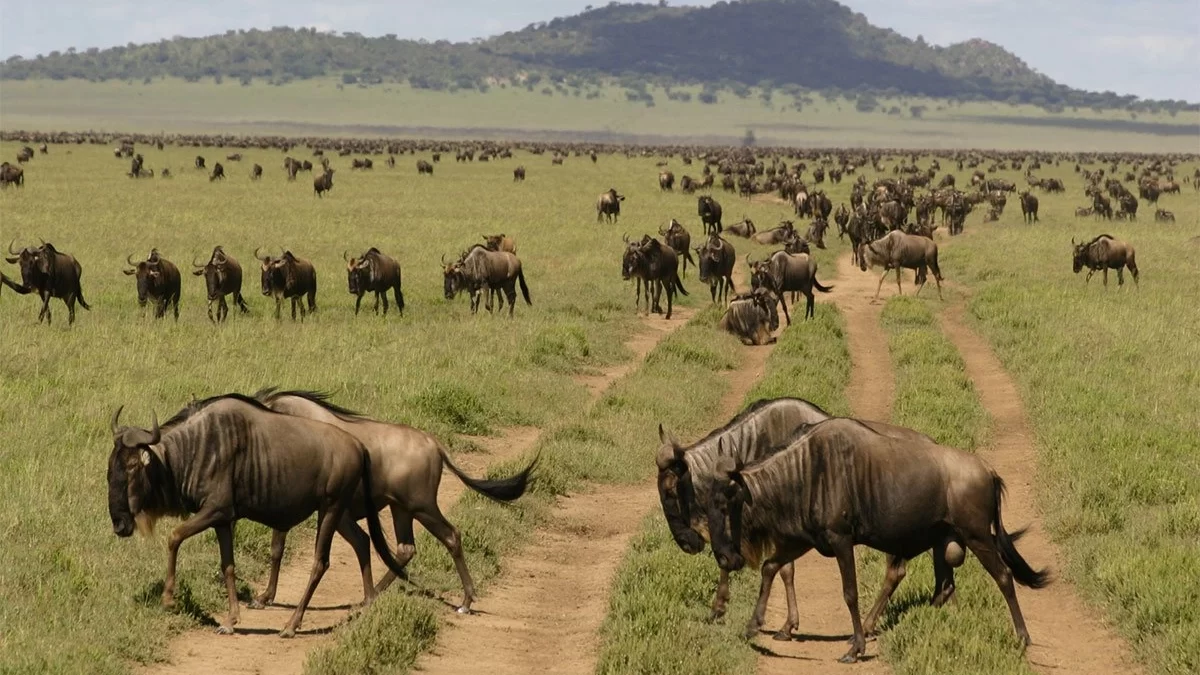
Every year, more than 1.5 million wildebeest, accompanied by hundreds of thousands of zebras and gazelles, embark on one of the most extraordinary wildlife journeys on Earth. Known as the Great Migration, this continuous movement across the Serengeti ecosystem is driven by rainfall, fresh grazing, and survival.
For travelers planning a Tanzania safari in 2026, understanding where the migration is likely to be during June, July, and August can make the difference between simply seeing wildlife and witnessing one of nature's greatest spectacles. These months represent the transition from the central Serengeti to the northern plains, culminating in the dramatic river crossings that have made the migration world famous.
At Tanzania Safari Source Tours, we spend countless days in the Serengeti following wildlife movements and monitoring migration patterns. While nature always follows its own schedule, years of experience allow us to position our guests in the best areas at the right time.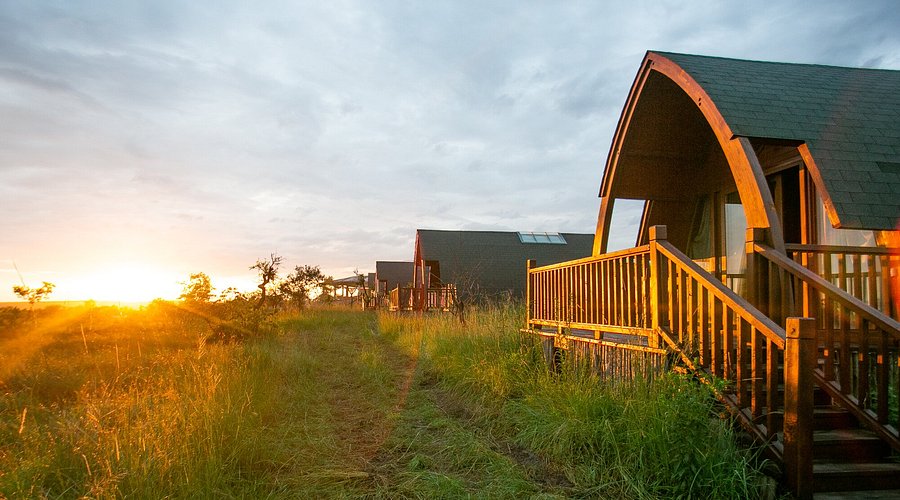
Understanding the Great Migration
The Great Migration is not a single event but a year round cycle. The herds move continuously across the Serengeti and Maasai Mara ecosystem in search of greener pastures and water.
Rainfall remains the most important factor influencing herd movements. When grass becomes scarce in one region, the wildebeest move toward areas with fresh grazing. This creates an ever changing route that varies slightly each year.
By June, the migration begins shifting away from the southern and central Serengeti. During July and August, the herds gradually move northward, creating some of the most exciting wildlife viewing opportunities of the year.
These months are particularly popular because visitors have the chance to witness river crossings, large predator interactions, and massive concentrations of animals spread across the northern Serengeti.
Great Migration in June 2026
Where Are the Herds in June?
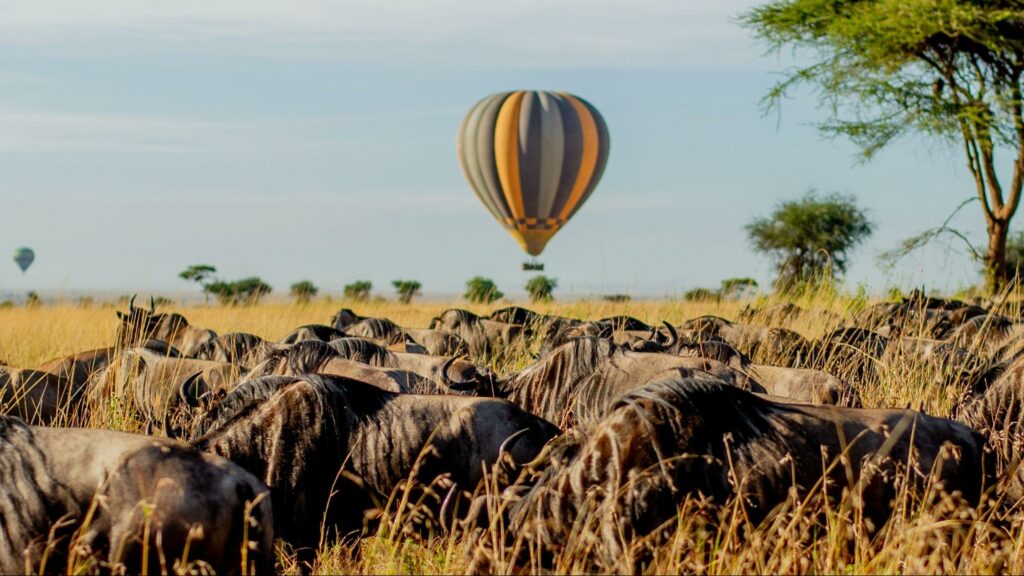
In June 2026, the majority of the migration is expected to move through the western and central regions of the Serengeti. Depending on rainfall patterns earlier in the year, many herds will likely gather around the Western Corridor while others continue moving northward.
This period marks the beginning of a major transition. The endless columns of wildebeest start organizing into large groups as they prepare for the journey toward northern grazing grounds.
The landscape during June is stunning. The long rains have ended, leaving lush grasslands and excellent wildlife viewing conditions. Vegetation is lower than during the rainy season, making it easier to spot animals across the plains.
Wildlife Highlights in June
June offers some of the most balanced safari experiences of the year.
Visitors can expect:
- Massive wildebeest concentrations
- Large zebra herds
- Active lion prides
- Cheetah sightings on open plains
- Leopard encounters in riverine forests
- Elephant herds moving through the Serengeti
Predators closely follow the migration. Lions often position themselves near major herd routes, taking advantage of the abundance of prey.
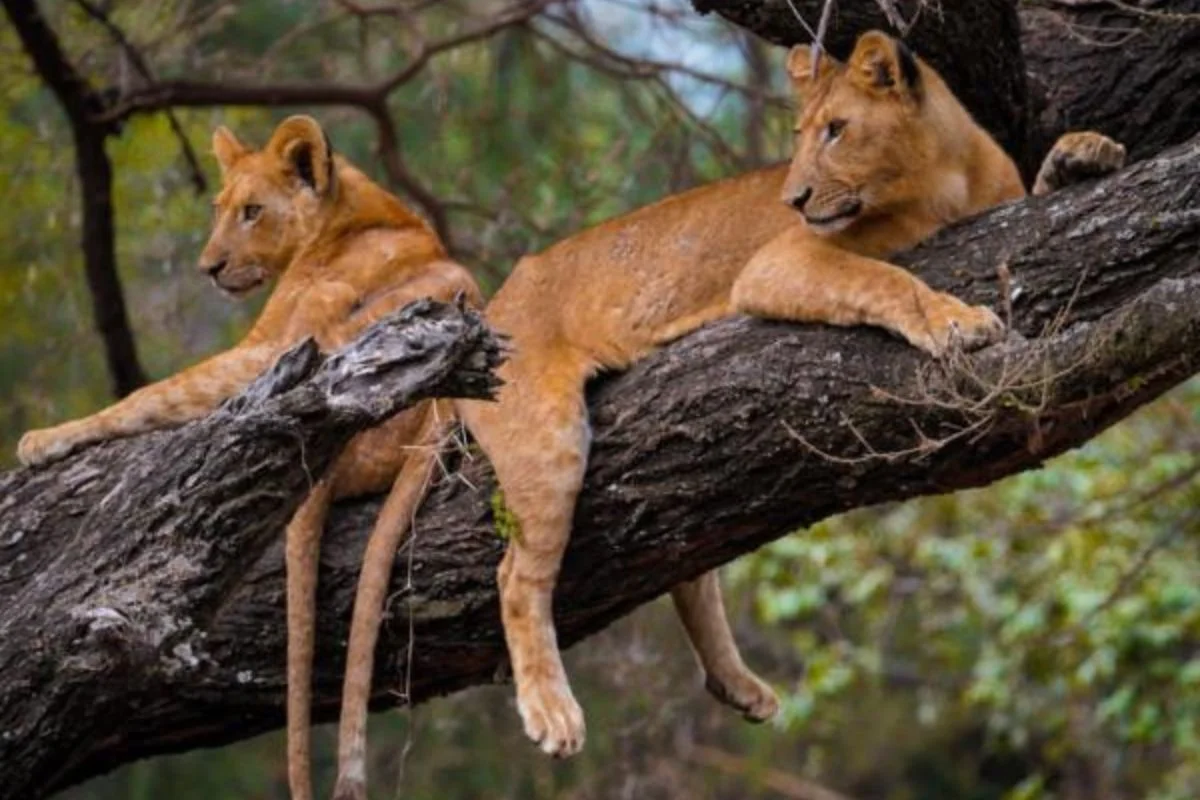
Because the herds remain concentrated, photographers enjoy excellent opportunities to capture dramatic wildlife scenes without needing to travel long distances between sightings.
Grumeti River Action
One of June's biggest attractions is activity around the Grumeti River.
While not every crossing is dramatic, some groups of wildebeest must navigate steep riverbanks and crocodile filled waters. These crossings provide a thrilling preview of what awaits later at the Mara River.
The Grumeti region is often less crowded than the northern Serengeti, making June an excellent month for travelers seeking a more exclusive safari experience.
Great Migration in July 2026
The Journey North Intensifies
July is often considered one of the best months for a migration safari.
By this time, many wildebeest have left the Western Corridor and continue their northward trek through central and northern Serengeti. Long columns of animals stretch across the landscape, creating breathtaking scenes that seem endless.
The dry season becomes more established, concentrating wildlife around water sources and improving visibility throughout the park.
Why July Is So Popular
Several factors make July a favorite among safari enthusiasts.
First, wildlife concentrations are exceptionally high. The migration is actively moving, creating dynamic game viewing rather than stationary animal sightings.
Second, weather conditions are ideal. Days are generally sunny, temperatures are comfortable, and rainfall is minimal.
Third, predator activity increases as lions, hyenas, cheetahs, and leopards follow the migrating herds.
For photographers, July provides beautiful lighting conditions with clear skies, golden grasslands, and dust-filled sunsets that create dramatic images.
Predator Encounters
The migration supports one of the highest predator densities in Africa.
During July, we frequently encounter:
- Lions stalking wildebeest herds
- Cheetahs hunting on open plains
- Hyenas competing for carcasses
- Leopards resting in acacia trees
- Jackals and vultures feeding on remains
These interactions demonstrate the incredible balance of the Serengeti ecosystem.
Every movement of the migration influences countless other species, creating an interconnected web of life that visitors rarely experience elsewhere.
Northern Serengeti Becomes Active
Toward the end of July, larger numbers of wildebeest begin reaching northern Serengeti.
This is often when anticipation starts building around the Mara River crossings.
Some crossings may occur late in July, depending on herd movements and environmental conditions. However, exact timing always varies because wildlife follows natural instincts rather than a fixed calendar.
Great Migration in August 2026
Peak Season in Northern Serengeti
August is one of the most sought after months for witnessing the Great Migration.
By this stage, large concentrations of wildebeest are typically present in northern Serengeti near the Mara River.
The region transforms into a stage for one of nature's most dramatic performances.
Thousands of animals gather along riverbanks, hesitating, regrouping, and searching for safe crossing points.
The Mara River Crossings
The Mara River crossings are among Africa's most iconic wildlife events.
A crossing may begin suddenly.
After hours or sometimes days of waiting, a single wildebeest leaps into the water. Instantly, hundreds or even thousands follow.
The river erupts into chaos.
Animals struggle against strong currents while massive crocodiles wait below. Dust rises from the banks as herds push forward, driven by instinct and survival.
For safari guests, witnessing a crossing is an unforgettable experience.
No documentary or photograph can truly capture the sound, energy, and emotion of seeing thousands of animals risking everything to continue their journey.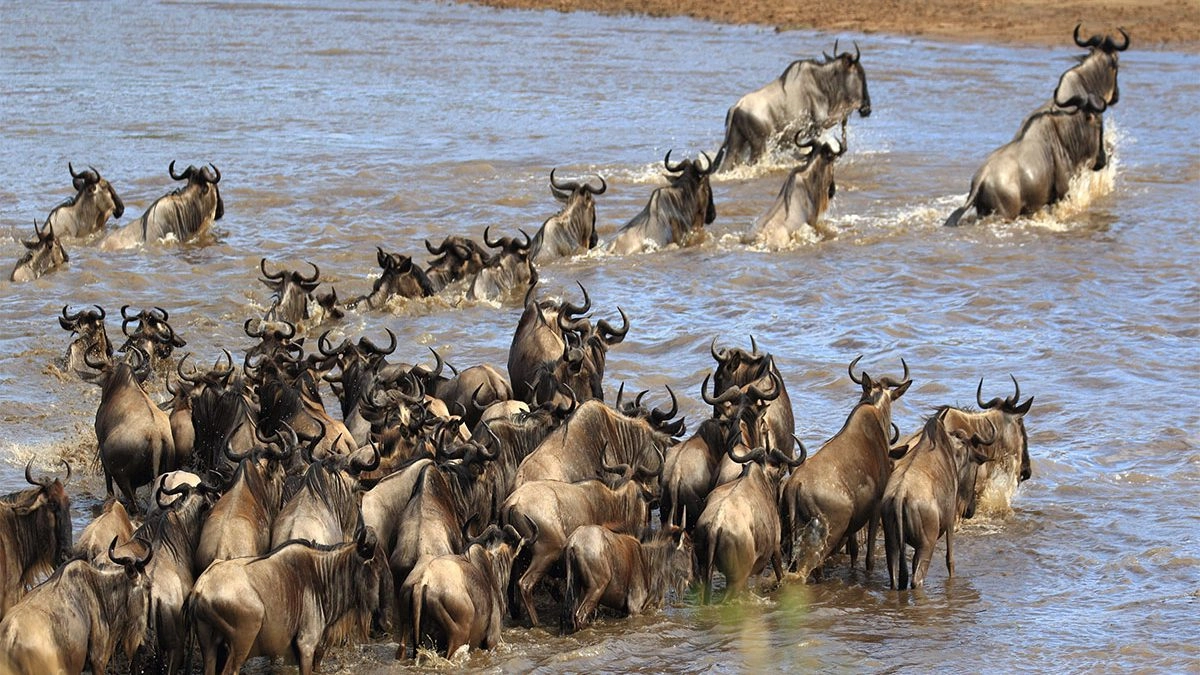
More Than Just Crossings
Although river crossings receive most of the attention, August offers much more.
Northern Serengeti provides:
- Spectacular landscapes
- Exceptional predator sightings
- Large elephant populations
- Resident wildlife throughout the year
- Outstanding photography opportunities
Even on days without crossings, game viewing remains extraordinary.
Many visitors discover that some of their favorite safari moments occur while observing predator behavior, elephant interactions, or the endless movement of migrating herds across rolling hills.
Photography Opportunities
August is a dream month for wildlife photographers.
The combination of dry season conditions, dramatic landscapes, and abundant wildlife creates endless possibilities.
Photographers can capture:
- Dust clouds behind moving herds
- Dramatic river crossing scenes
- Predator prey interactions
- Sunrise and sunset silhouettes
- Aerial like views from elevated hills
Whether using professional equipment or a smartphone, visitors often return home with remarkable images.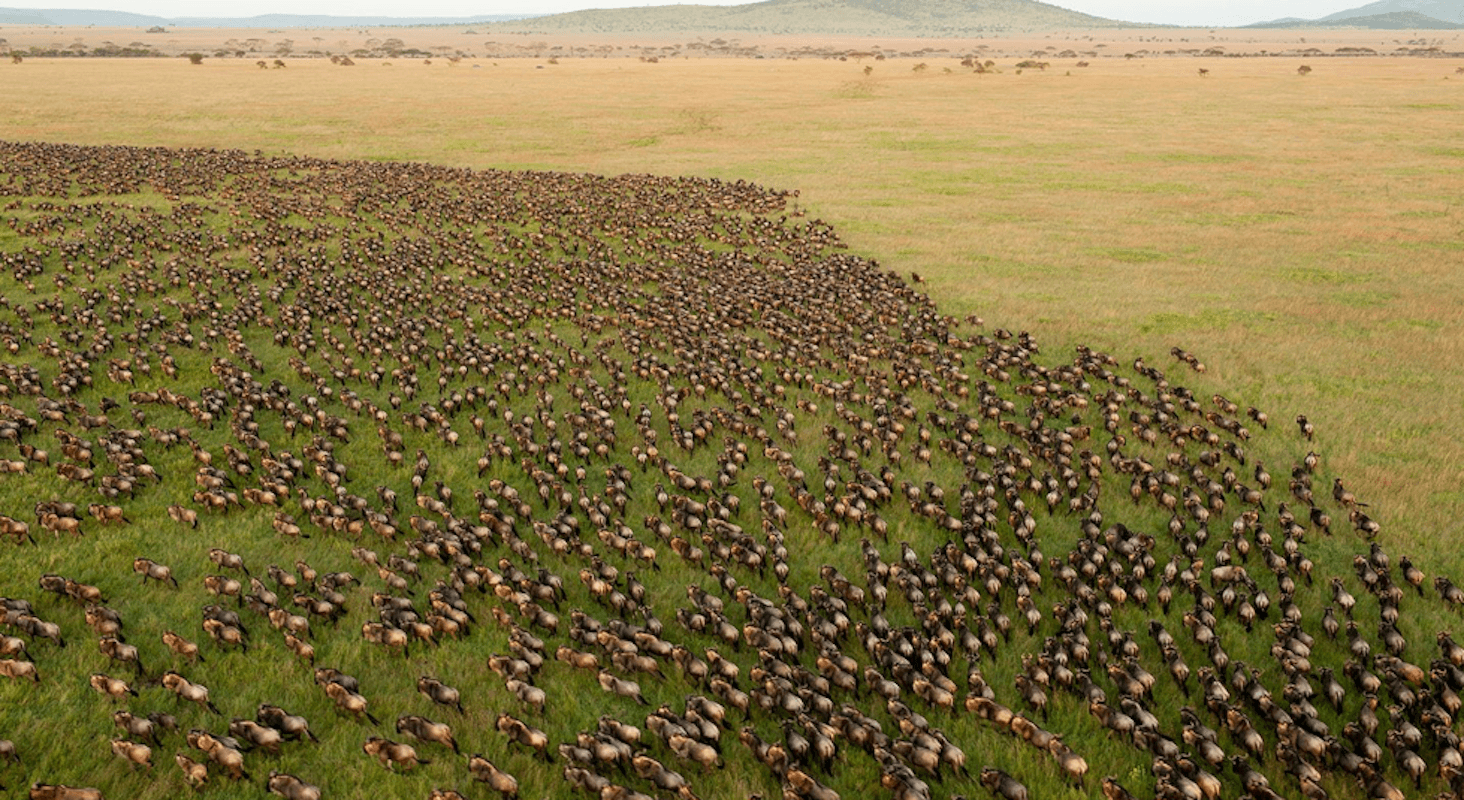
Choosing Between June, July, and August
Many travelers ask which month is best.
The answer depends on personal interests.
Choose June If You Want:
- Fewer vehicles
- Excellent wildlife densities
- Beautiful green landscapes
- Grumeti River activity
- A more relaxed safari atmosphere
Choose July If You Want:
- Peak migration movement
- Outstanding predator encounters
- Ideal weather conditions
- Excellent photography
- Strong chances of seeing herds moving north
Choose August If You Want:
- Mara River crossings
- Northern Serengeti action
- Dramatic wildlife spectacles
- Peak migration excitement
- Iconic migration photography
Each month delivers a unique experience, and none should be considered a poor choice.
Why Location Matters More Than Dates
One common misconception is that booking the correct month guarantees seeing the migration.
In reality, location often matters more than timing.
The Serengeti covers nearly 15,000 square kilometers, and the migration can move significant distances in a short period.
This is why flexible planning and experienced guiding are essential.
At Tanzania Safari Source Tours, we continuously monitor migration reports and communicate with guides across the ecosystem. This allows us to adjust safari routes when necessary and maximize opportunities for exceptional wildlife encounters.
Rather than simply following a fixed itinerary, we focus on positioning our guests where the action is most likely to occur.
Combining the Migration With Other Destinations
A Great Migration safari pairs perfectly with other Northern Circuit destinations.
Many travelers combine the Serengeti with:
- Tarangire National Park
- Ngorongoro Crater
- Lake Manyara National Park
- Arusha National Park
Adding these destinations creates a more complete safari experience by introducing different landscapes, wildlife habitats, and cultural encounters.
Many of our guests also finish their adventure with a relaxing beach holiday in Zanzibar, combining thrilling wildlife experiences with tropical island relaxation.
Planning Your Great Migration Safari 2026
The months of June, July, and August represent some of the most exciting periods in the Great Migration cycle.
From the vast herds moving through the Western Corridor in June to the northern Serengeti drama of August, every stage offers unforgettable wildlife encounters.
Because these months coincide with peak safari season, early planning is strongly recommended. The best camps and lodges near migration hotspots often become fully booked many months in advance.
At Tanzania Safari Source Tours, we specialize in creating tailor made migration safaris designed around current wildlife movements and guest preferences. Our local knowledge, experienced guides, and commitment to exceptional service help ensure that every safari becomes a truly memorable journey.
Whether your dream is witnessing a Mara River crossing, photographing endless wildebeest herds, or simply experiencing the magic of the Serengeti, 2026 promises another remarkable chapter in the story of the Great Migration.
Join us in Tanzania and follow the herds through June, July, and August as one of the world's greatest wildlife spectacles unfolds before your eyes.Our package for you
4 Day Migration Safari
6 Day Migration Safari
5 Day Migration Safari
9 Day Luxury Safari and Beach Escape
3 Day Midrange Safari
Contact Us for the Best Choice of Your Safari