
Is February a Good Time for a Tanzania Safari?
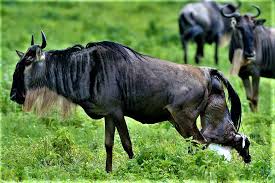
If you're considering a safari in February, you might be wondering whether it’s the right time to visit. The answer is yes February can be an excellent month for a Tanzania safari, especially if you appreciate lush landscapes, fewer crowds, and rewarding wildlife encounters.
Here’s what you need to know before planning your trip.
Our package for you
7 Day Ndutu and Zanzibar safari
1. What Is February Like in Tanzania?
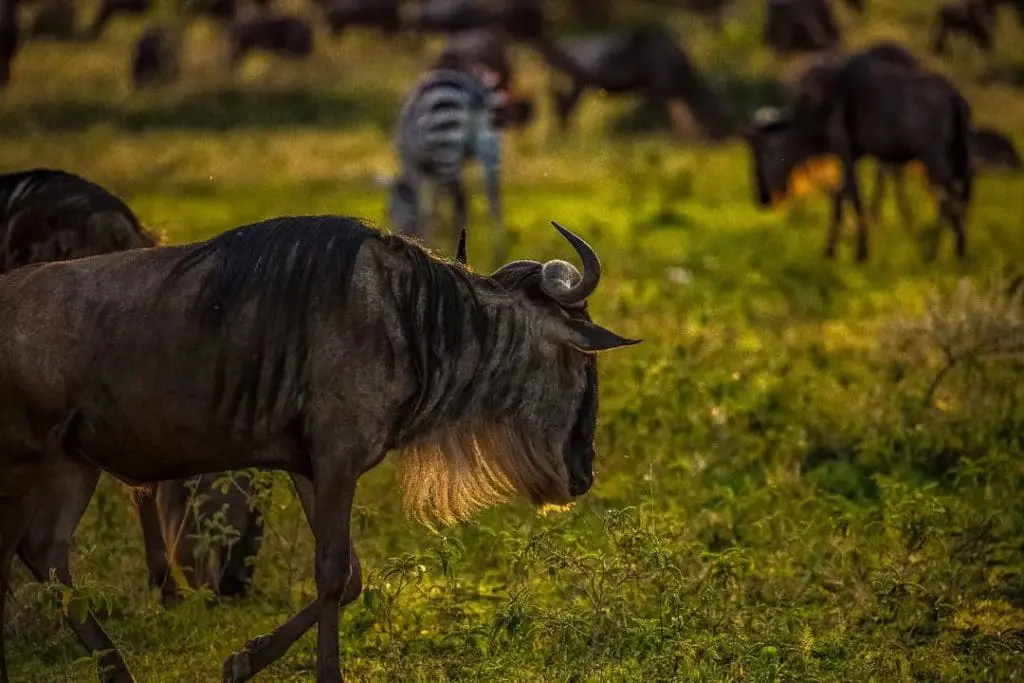
February falls within Tanzania’s green season. This period follows the short rains and comes before the heavier rains later in March and April.
Typical February Weather:
-
Warm daytime temperatures: 25–30°C (77–86°F)
-
Cooler mornings and evenings: Particularly in highland areas
-
Short, scattered rain showers: Often in the afternoon
-
Fresh, green scenery
Rain usually comes in brief bursts rather than lasting all day, meaning morning game drives are typically clear and productive.
2. Wildlife Viewing in February
Wildlife viewing remains strong throughout February. Tanzania’s national parks support resident animal populations year round, making this month very rewarding.
Top safari destinations include:
-
Serengeti National Park
-
Ngorongoro Crater
-
Tarangire National Park
-
Lake Manyara National Park
What You Can Expect:
-
Large elephant herds in Tarangire
-
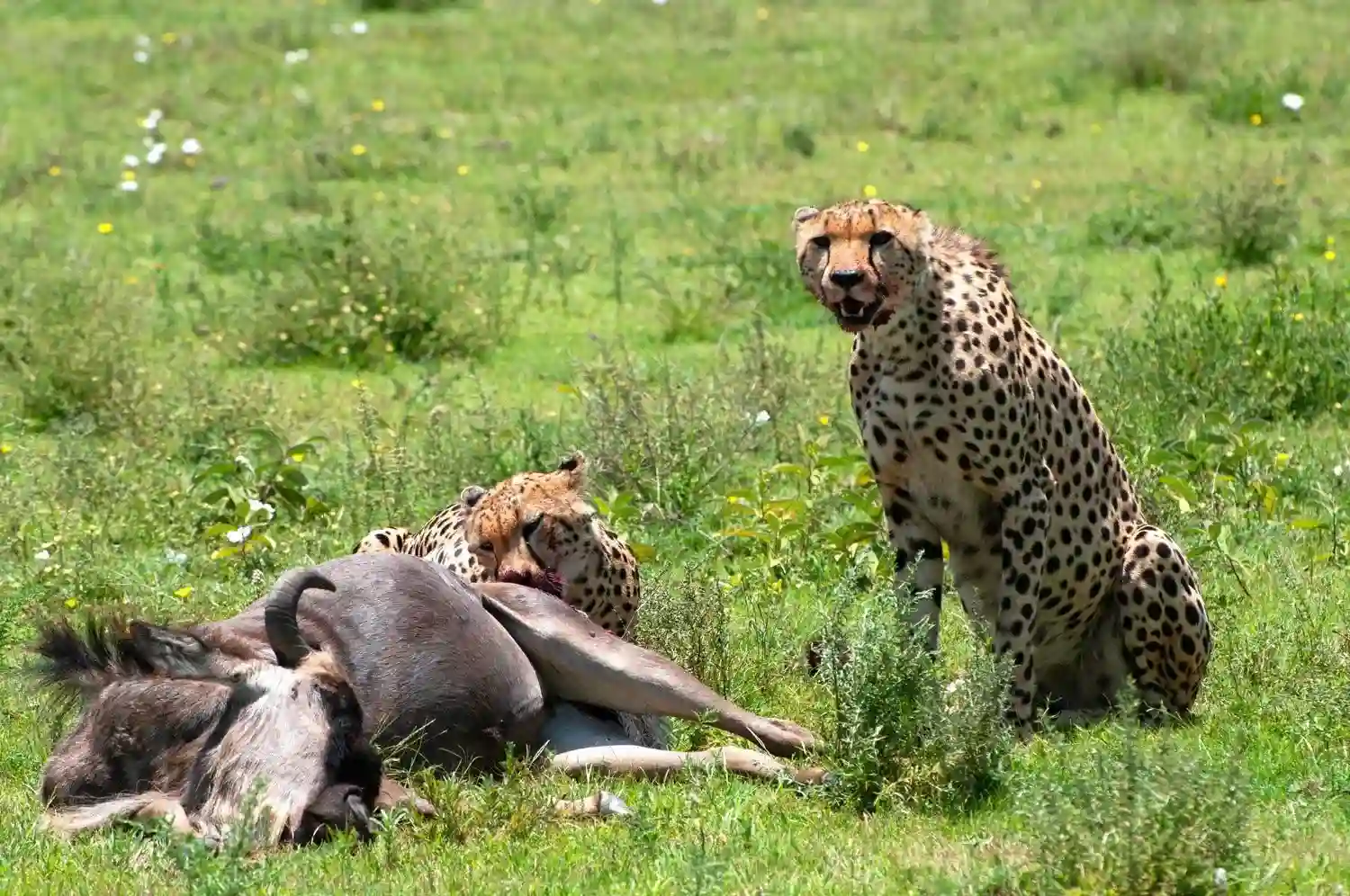
Dense predator populations in the Serengeti
-
Excellent Big Five opportunities in Ngorongoro Crater
-
Tree climbing lions and birdlife around Lake Manyara
Although the grass is greener and slightly taller than during the dry season, experienced guides are skilled at tracking animals and positioning vehicles for excellent viewing.
3. Beautiful Green Landscapes
One of the biggest advantages of a February safari is the scenery.
The parks are transformed into:
-
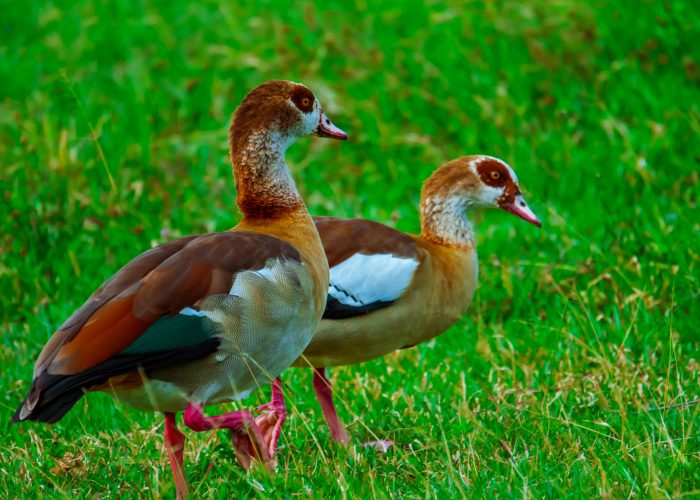
Vibrant green plains
-
Flowering vegetation
-
Reflective seasonal water pools
-
Dramatic skies perfect for photography
If you enjoy landscape photography or simply love rich, colorful environments, February offers stunning visual appeal that contrasts beautifully with wildlife.
4. Fewer Crowds, More Privacy
February sits outside the busiest travel months. This often means:
-
Less congestion at wildlife sightings
-
More relaxed lodge atmospheres
-
Increased flexibility in safari planning
For travelers seeking a quieter and more intimate experience, this is a major advantage.
5. Great Value for Money
Because February is considered shoulder or green season:
-
Accommodation rates are often lower
-
Luxury camps may be more accessible
-
Availability is generally better
You can enjoy high quality safari experiences at more competitive prices compared to peak months.
6. Are There Any Challenges?
To make an informed decision, consider the following:
-
Occasional afternoon rain showers
-
Some muddy sections on park roads
-
Slightly denser vegetation in certain areas
However, modern 4x4 safari vehicles are built for these conditions, and professional guides adjust routes to maximize wildlife encounters.
7. Who Should Visit in February?
February is ideal if you:
-
Prefer fewer tourists
-
Appreciate green, scenic landscapes
-
Want good wildlife viewing without peak-season crowds
-
Enjoy warm but manageable temperatures
-
Seek better safari pricing
If your priority is extremely dry conditions and sparse vegetation, the peak dry season may suit you better. But for many travelers, February strikes a wonderful balance between comfort, scenery, and value.
Final Thoughts
So, is February a good time for a Tanzania safari?
Yes it offers excellent wildlife viewing, lush and dramatic landscapes, fewer crowds, and attractive pricing. For travelers who value atmosphere and authenticity, February provides a rewarding and memorable safari experience in one of Africa’s most iconic destinations.
Contact Us for the Best Choice of Your Safari