
Ngorongoro Crater Safari Guide: What to Expect
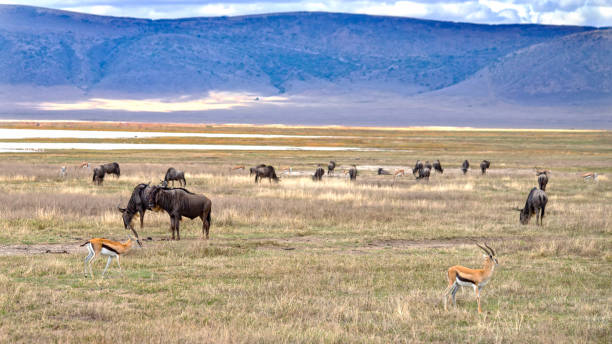
Few places on Earth deliver the kind of breathtaking safari experience that awaits inside the legendary Ngorongoro Crater. Often described as one of Africa’s natural wonders, the crater is a wildlife paradise, a geological masterpiece, and one of the most rewarding safari destinations in Tanzania.
At Tanzania Safari Source Tours, we guide travelers from around the world into this spectacular natural arena every year. For many of our guests, a visit to Ngorongoro becomes the highlight of their entire safari journey. The moment you descend into the crater floor, it feels like entering a hidden world a place where wildlife roams freely, landscapes stretch endlessly, and every moment feels cinematic.
This guide explains everything you should expect from a Ngorongoro Crater safari from wildlife sightings and landscapes to safari logistics, best travel seasons, and insider tips we share with our guests.
The Ngorongoro Crater: A Natural Wonder of Africa
The Ngorongoro Crater is the world’s largest intact volcanic caldera. It formed about two to three million years ago when a massive volcano erupted and collapsed inward, creating a vast bowl shaped ecosystem.
Today the crater spans approximately 260 square kilometers and is surrounded by towering crater walls rising about 600 meters high. From the rim, the view is simply unforgettable. The crater floor below appears like a living map of wildlife habitats grasslands, wetlands, forests, and lakes, all supporting an incredible concentration of animals.
The crater lies within the protected Ngorongoro Conservation Area, a UNESCO World Heritage Site known not only for wildlife but also for its cultural significance. The region is home to the iconic Maasai people, who continue to live and graze cattle within parts of the conservation area.
This rare balance between wildlife conservation and traditional culture makes the Ngorongoro region unique in Africa.
Why Ngorongoro Crater Is One of the Best Safari Destinations
Unlike many other national parks where wildlife migrates across large distances, the Ngorongoro Crater acts like a natural enclosure, holding animals within the fertile caldera year round.
Because of this, visitors enjoy some of the highest wildlife viewing success rates in Africa.
When we organize safaris here at Tanzania Safari Source Tours, we often tell our guests:
“If you want to see many animals in a single day, Ngorongoro is the place.”
The crater is home to an estimated 25,000 animals, including:
-
Lions
-
Elephants
-
Buffalo
-
Hyenas
-
Zebras
-
Wildebeest
-
Hippos
-
Jackals
-
Gazelles
But what truly makes the crater special is the opportunity to see the rare and powerful black rhino, a species that has become increasingly difficult to spot elsewhere in Africa.
The Famous Big Five in Ngorongoro
Many travelers dream of spotting the Big Five on safari lion, elephant, buffalo, leopard, and rhino.
The Ngorongoro Crater is one of the best places in Africa to see all five.
Lions
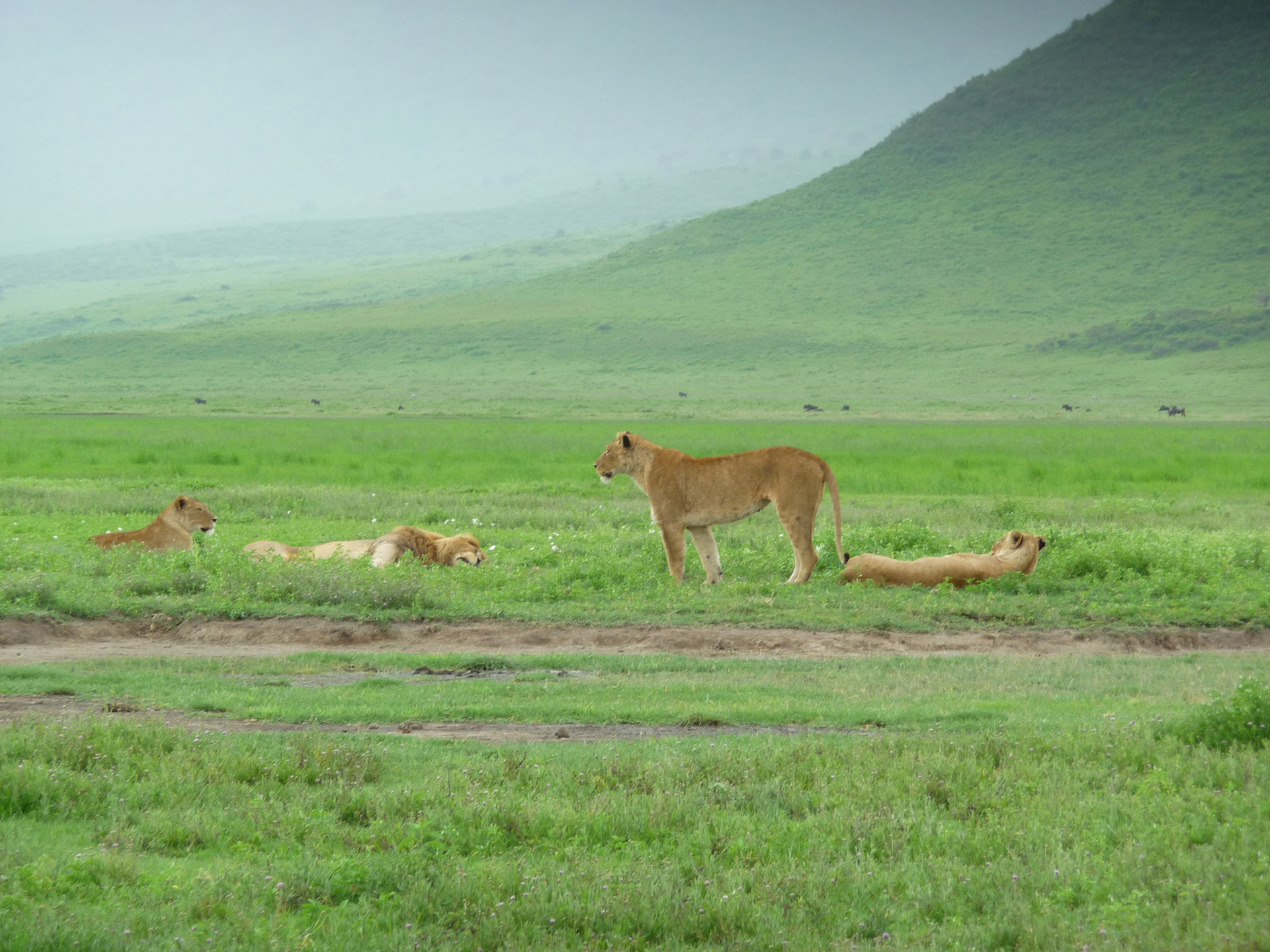
The crater hosts one of the densest lion populations in Africa. During our game drives, we frequently encounter prides resting in the grasslands, hunting near zebra herds, or lounging along the crater roads.
Elephants
Ngorongoro’s elephants are famous for their massive tusks, especially older bull elephants found in the forested areas of the crater.
Buffalo
Large herds of African buffalo roam the crater floor, often moving together in dramatic formations across the plains.
Leopards
Leopards are more elusive but sometimes spotted in the crater’s forested areas and acacia trees.
Black Rhinos
Perhaps the most exciting sighting is the endangered black rhino. The crater remains one of the last strongholds for this remarkable animal.
Wildlife Diversity Beyond the Big Five
While the Big Five are famous, Ngorongoro offers far more than that.
During a typical safari with Tanzania Safari Source Tours, our guests often see:
-
Thousands of zebras grazing the plains
-
Wildebeest moving across the crater floor
-
Hippos relaxing in freshwater pools
-
Flamingos gathering along the shores of Lake Magadi
-
Hyenas scavenging and competing with lions
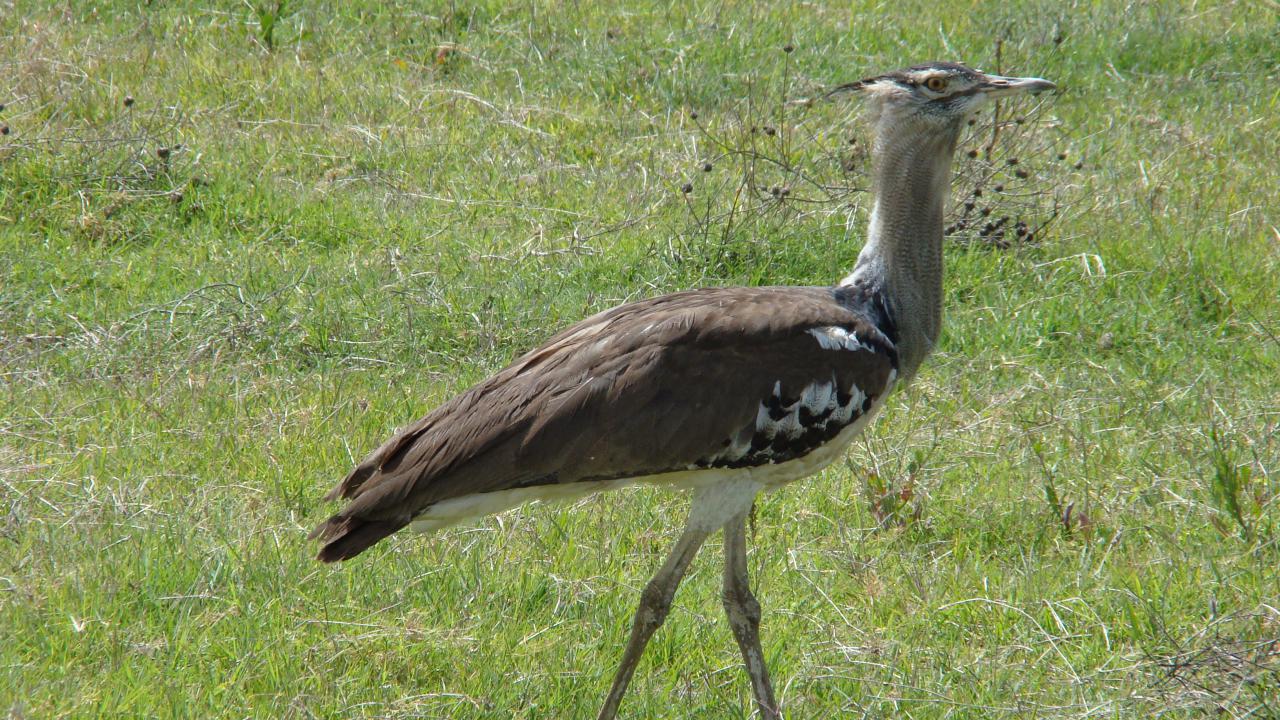
Bird lovers also enjoy the crater immensely. Over 500 bird species have been recorded within the conservation area.
You may spot:
-
Crowned cranes
-
Secretary birds
-
Kori bustards
-
Eagles and vultures
-
Flamingos along Lake Magadi
The diversity is extraordinary.
What a Typical Ngorongoro Safari Day Looks Like
A safari in Ngorongoro follows a slightly different rhythm compared to other parks.
Because the crater gate opens early, we usually depart before sunrise from Karatu or the crater rim lodges.
Early Morning Descent
As the sun rises over the crater rim, our safari vehicles begin the descent down the steep road into the crater floor.
This moment is unforgettable. The mist slowly lifts, revealing herds of animals scattered across the plains below.
Morning Game Drive
Early morning is one of the best times to see predators. Lions and hyenas are often active after nighttime hunting.
We spend several hours exploring different habitats across the crater.
Picnic Lunch
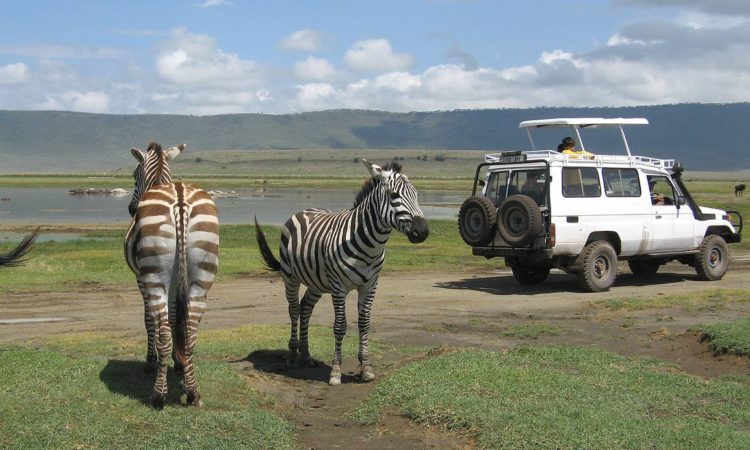
Most safaris include a scenic picnic lunch at the famous hippo pool area.
Guests relax under acacia trees while hippos grunt and splash nearby.
Afternoon Game Drive
After lunch we continue exploring the crater before beginning the climb back up to the rim.
A full Ngorongoro safari day typically lasts 5–6 hours inside the crater.
Landscapes Inside the Crater
One of the reasons Ngorongoro feels so special is the variety of landscapes found within a relatively small area.
Open Grasslands
The crater floor is dominated by vast grasslands where zebras, wildebeest, and gazelles graze in large numbers.
Forests
Lerai Forest is a beautiful yellow fever tree forest where elephants and leopards sometimes appear.
Swamps
Wetlands support hippos and provide feeding grounds for elephants and birds.
Soda Lakes
Lake Magadi attracts flamingos and other water birds.
Each ecosystem supports different species, creating remarkable biodiversity.
Cultural Encounters in the Ngorongoro Area
The surrounding Ngorongoro Conservation Area is home to the pastoralist Maasai community.
The Maasai have lived in this region for centuries, maintaining their traditions, colorful clothing, and cattle herding lifestyle.
During safaris we can arrange visits to traditional Maasai villages where guests learn about:
-
Maasai culture
-
Traditional homes called manyattas
-
Livestock practices
-
Cultural dances and customs
These visits help travelers understand the human history of the Ngorongoro region.
Best Time to Visit Ngorongoro Crater
The wonderful thing about Ngorongoro is that it is a year round safari destination.
Dry Season (June – October)
This is the most popular safari season.
-
Wildlife is easier to spot
-
Skies are clear
-
Roads are dry
Green Season (November – May)
This season offers:
-
Beautiful green landscapes
-
Fewer safari vehicles
-
Excellent bird watching
Between December and March, many travelers combine Ngorongoro with the nearby Ndutu region to witness the incredible wildebeest calving season.
Where to Stay Near Ngorongoro
There are several accommodation options around the crater, ranging from luxury lodges to comfortable tented camps.
Popular areas include:
Crater Rim Lodges
These lodges offer spectacular views overlooking the crater.
Karatu
The nearby town of Karatu is about 30 minutes from the crater gate and offers many excellent midrange lodges.
Many of our guests stay here before or after their Ngorongoro safari.
How Ngorongoro Fits into a Northern Tanzania Safari
Most travelers visit Ngorongoro as part of a Northern Circuit safari.
A typical route organized by Tanzania Safari Source Tours includes:
-
Tarangire National Park
-
Serengeti National Park
-
Ngorongoro Crater
This combination provides a complete safari experience from elephant filled landscapes to the endless Serengeti plains and finally the wildlife rich Ngorongoro crater.
Safari Tips for Visiting Ngorongoro
Based on our years of guiding guests, here are a few tips we always share.
Bring Warm Clothing
The crater rim sits at high altitude, so mornings can be quite cold.
Carry a Camera with Zoom
Wildlife sightings happen constantly, and good zoom helps capture amazing photos.
Start Early
Early entry into the crater often results in the best wildlife encounters.
Respect Wildlife
Always follow the guidance of your safari guide and keep safe distances from animals.
Why Travel with Tanzania Safari Source Tours
A Ngorongoro safari is more than just a game drive. It is about the stories, the landscapes, and the unforgettable wildlife moments that stay with you forever.
At Tanzania Safari Source Tours, we design safaris that allow travelers to truly experience the magic of Tanzania. Our experienced guides understand the wildlife, the landscapes, and the hidden corners of the crater that make every safari unique.
We focus on:
-
Expert local safari guides
-
Carefully planned itineraries
-
Comfortable safari vehicles
-
Personalized experiences for every traveler
Whether it’s your first safari or a return adventure to Africa, we ensure every journey into Ngorongoro becomes a memory of a lifetime.
Final Thoughts
A safari inside the Ngorongoro Crater is one of the most remarkable wildlife experiences in Africa.
Within a single day, visitors can see lions hunting across the plains, elephants walking through forested areas, flamingos gathering on soda lakes, and perhaps even the rare black rhino moving quietly across the grasslands.
The crater is not just a destination it is a natural wonder, a thriving ecosystem, and a place where wildlife and landscapes come together in perfect harmony.
At Tanzania Safari Source Tours, we invite you to discover this extraordinary place with us. From the moment you stand on the crater rim and gaze down into the vast caldera below, you will understand why Ngorongoro is often called Africa’s Garden of Eden.
Our package for you
Contact Us for the Best Choice of Your Safari