
Photographer’s Paradise: Why the “Green Season” Light is the Best for Serengeti Wildlife Shots
When most travelers imagine the Serengeti, they picture golden grasslands, dramatic river crossings, and dust filled sunsets. But for us, as safari specialists and photographers at heart, the real magic happens during the green season a time when the landscape transforms, the skies become more expressive, and wildlife photography reaches its most artistic and emotional level.
The Serengeti during the green season is not just beautiful it is cinematic. And for photographers, both amateur and professional, it is one of the most rewarding times to capture Africa’s most iconic wildlife.
In this guide, we share why we believe the green season is the ultimate photographer’s paradise and how we design our safaris to help you capture unforgettable wildlife moments.
What is the Serengeti Green Season?
The green season typically runs from November to May, with short rains in November to December and heavier rains in March to May. But don’t let the word “rain” discourage you.
For us, the green season is not about disruption it is about transformation.
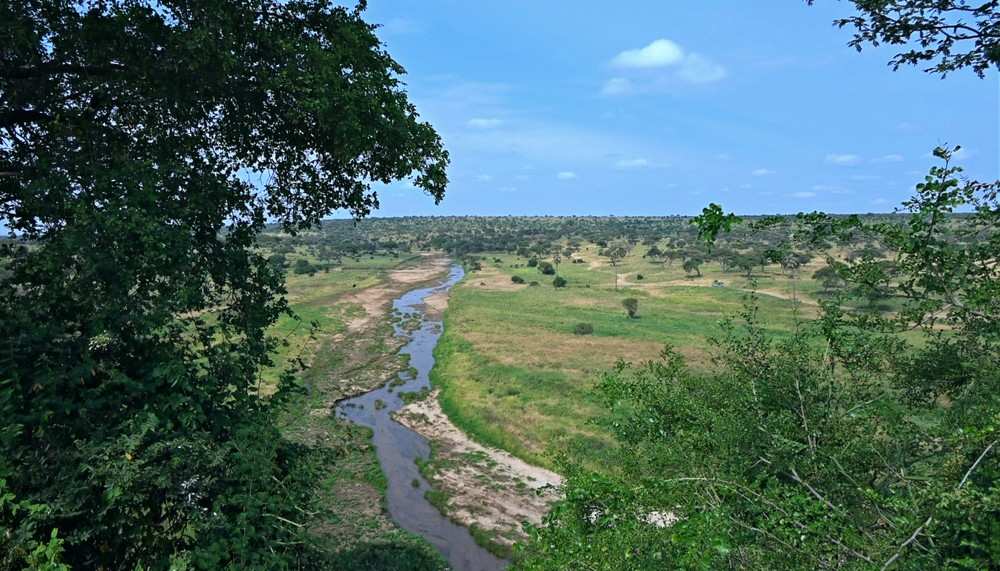
The plains of the Serengeti become lush and vibrant. Dust settles, the air clears, and everything feels alive again. New grass shoots emerge, rivers swell, and migratory birds arrive in large numbers.
This season is defined by:
- Dramatic cloud formations
- Fresh green landscapes
- Soft, diffused light
- Fewer safari vehicles
- Abundant wildlife activity
For photography, this combination is unbeatable.
The Magic of Green Season Light
Light is everything in photography. And during the green season, the Serengeti offers some of the most flattering natural lighting conditions in Africa.
1. Soft, Diffused Lighting
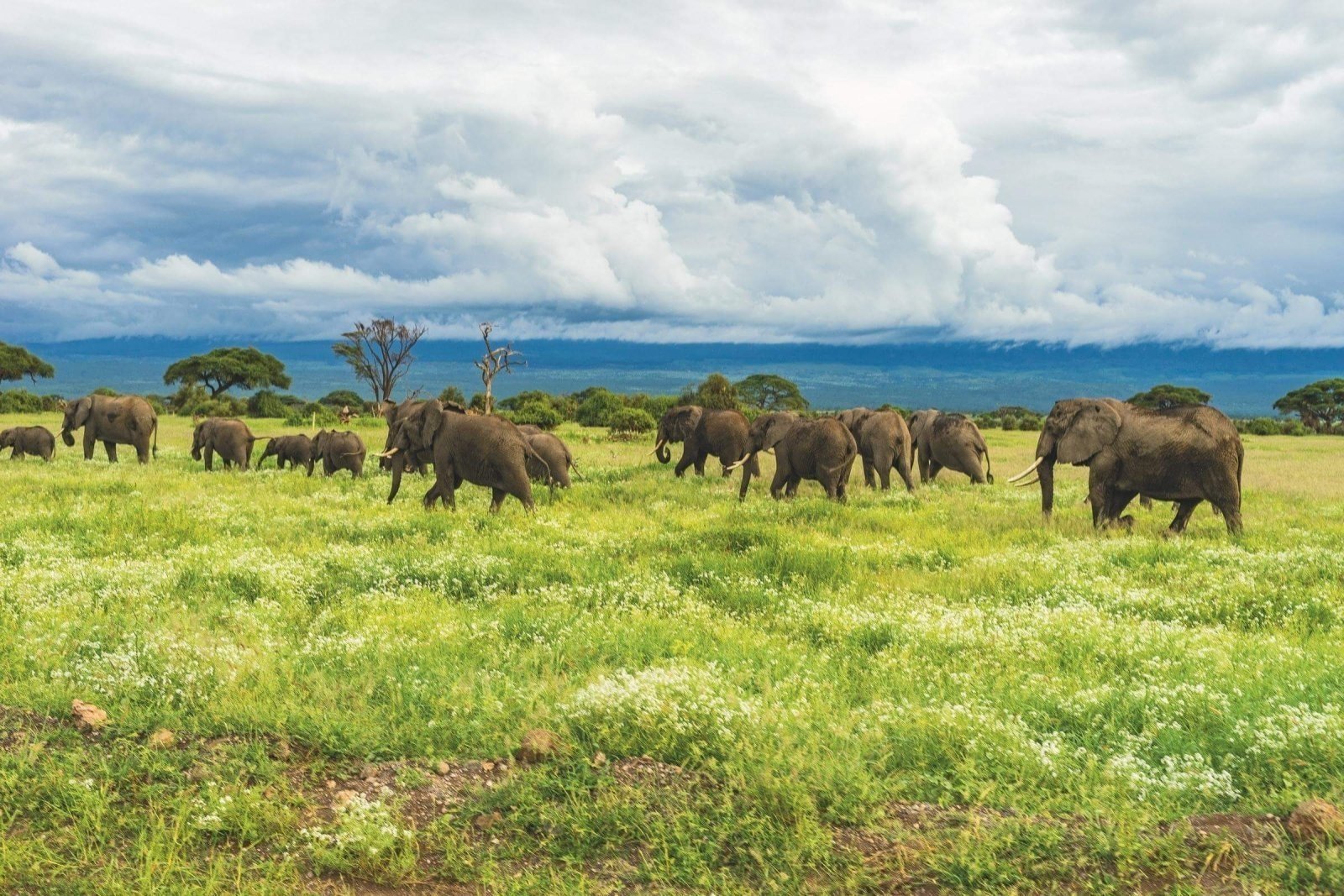
Unlike the harsh dry season sun, green season skies are often filled with clouds. These clouds act like a giant natural softbox, diffusing sunlight evenly across the landscape.
This means:
Photographer’s Paradise: Why the “Green Season” Light is the Best for Serengeti Wildlife Shots
- Less overexposure
- Softer animal shadows
- More balanced compositions
- Natural skin tones in wildlife portraits
We often find that even midday photography becomes usable something nearly impossible in the dry season.
2. Dramatic Skies for Storytelling
One of the biggest advantages we always highlight to our guests is the sky.
Green season skies are not empty they are alive.
You get:
- Towering storm clouds
- Breaks of golden sunlight
- Rain curtains in the distance
- Vibrant sunsets after rainfall
These elements create emotional depth in wildlife photography. A lion walking under a storm cloud feels more powerful than one under a plain blue sky.
3. Golden Moments After Rain
After rainfall, the Serengeti becomes one of the most photogenic places on Earth.
We often position our vehicles strategically after a shower because:
- Dust particles settle quickly
- Air becomes crystal clear
- Light breaks through clouds dramatically
- Animals become more active
This is when you capture frame worthy shots that look like documentary stills.
Lush Landscapes That Elevate Every Shot
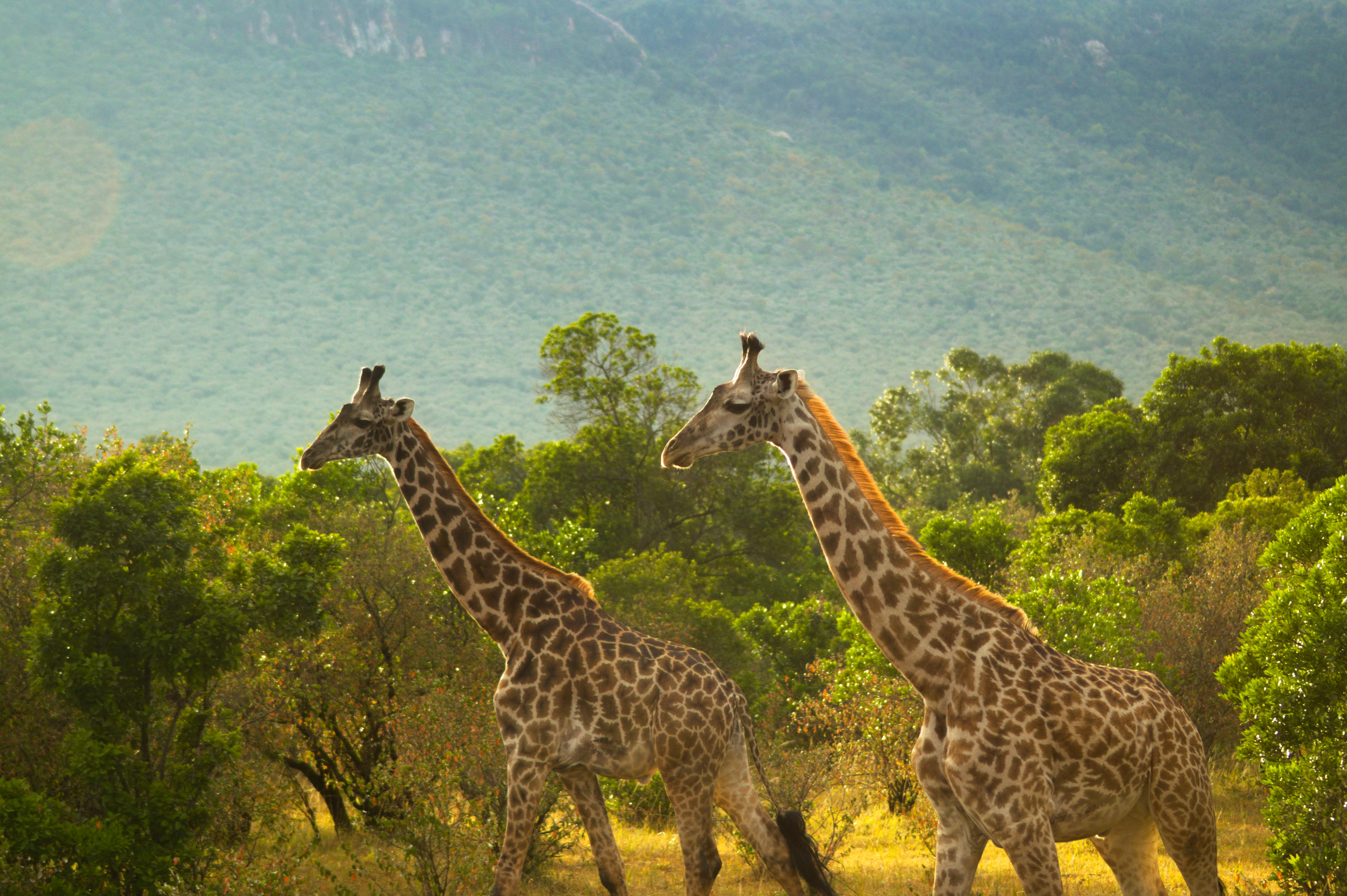
The green season transforms the Serengeti from golden to emerald.
For photographers, this change is massive.
Why greenery matters in photography:
- It adds natural contrast to animal colors
- It makes subjects stand out more clearly
- It creates depth and layers in images
- It enhances storytelling through environment
A cheetah in green grass looks more dynamic than one in dry plains because the environment feels alive.
We design our safari routes specifically to take advantage of these rich backdrops.
Wildlife Behavior: More Natural, More Authentic
One of the hidden advantages we always emphasize is how wildlife behaves during this season.
Because water and food are more widely available, animals are not as concentrated in small areas. Instead, they spread out and behave more naturally.
This results in:
1. Authentic Hunting and Movement Shots
Predators like lions, leopards, and cheetahs are more active in cooler temperatures and softer light conditions.
2. Abundance of New Life
Green season overlaps with calving periods in some areas. This means:
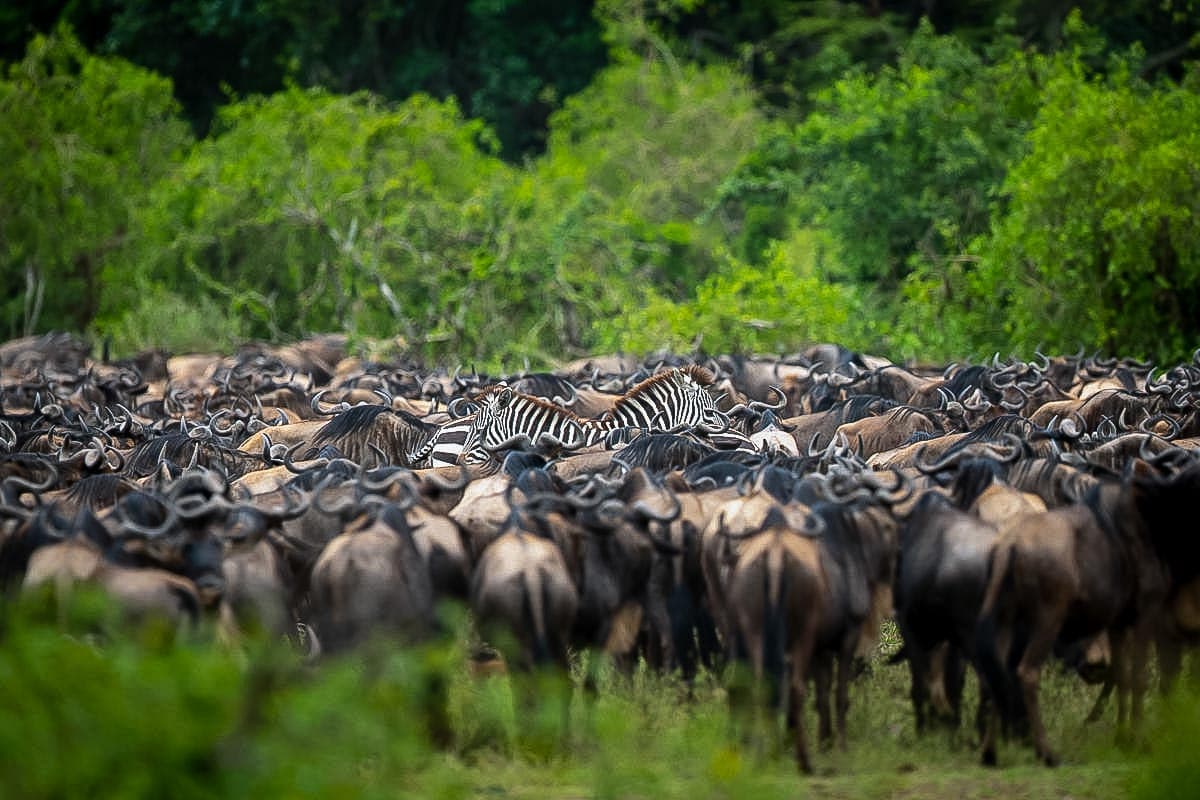
- Baby zebras
- Young wildebeests
- Playful antelope calves
These moments are priceless for storytelling photography.
3. Bird Photography Explosion
We always tell bird photographers: this is your season.
Migratory birds arrive in huge numbers, creating opportunities for:
- Colorful compositions
- Flight action shots
- Rare species captures
Fewer Vehicles, Better Frames
One of the biggest frustrations in peak safari season is overcrowding at sightings.
But during the green season, we experience something very different.
There are:
- Fewer safari vehicles at sightings
- More freedom to position for shots
- Less pressure and noise
- Longer, uninterrupted photography sessions
This allows us to patiently wait for the perfect composition instead of rushing.
The Emotional Quality of Green Season Photography
Photography is not just about sharpness or exposure it is about emotion.
And the Serengeti in green season delivers emotion in every frame.
We often describe it like this:
- Storm clouds = drama
- Fresh grass = renewal
- Rainlight = mystery
- Wildlife calves = innocence
- Empty landscapes = solitude
Together, these elements create images that feel like stories rather than snapshots.
How We Help You Capture Perfect Shots
At Tanzania Safari Source, we design our photography-focused safaris with intention.
We don’t just drive you shoot with purpose.
Here is how we enhance your experience:
1. Flexible Game Drives
We adjust timing based on light conditions, not rigid schedules.
2. Strategic Positioning
We study animal movement patterns and place vehicles for optimal angles and backgrounds.
3. Photography Guidance
We assist with:
- Composition tips
- Lighting advice
- Camera settings suggestions
- Wildlife behavior insights
4. Patient Safari Style
We believe great photography cannot be rushed. We stay longer at sightings when conditions are right.
Best Locations in Serengeti During Green Season
We carefully choose areas that shine most during this time:
Southern Serengeti
- Calving season activity
- Open plains for wide-angle shots
Central Serengeti
- Big cat sightings
- Dramatic rocky outcrops
Western Corridor
- River scenes
- Stormy skies and reflections
Each region offers a different photographic story.
Camera Gear Tips for Green Season Photography
We always advise photographers to come prepared for changing conditions.
Recommended gear:
- Telephoto lens (200–600mm) for wildlife
- Wide angle lens for landscapes
- Weather protection covers
- Lens cloth (very important during light rain)
- Polarizing filter for sky contrast
We also encourage shooting in RAW format to maximize editing flexibility.
Why We Believe Green Season is Underrated
Many travelers avoid the green season because of the word “rain.” But as experienced safari operators, we see it differently.
We believe it is:
- The most artistic season
- The most peaceful season
- The most rewarding season for photographers
- The most visually diverse season
It is not about avoiding rain it is about embracing transformation.
Final Thoughts: A Season for True Storytellers
The Serengeti green season is not for everyone but it is perfect for photographers who want more than standard safari shots.
It is for those who want:
- Emotion in every frame
- Drama in the sky
- Life in the landscape
- Authentic wildlife behavior
- Space to create without pressure
At Tanzania Safari Source, we proudly guide photographers into this hidden gem season because we know what it delivers: unforgettable imagery.
If you are ready to experience the Serengeti differently not as a tourist, but as a storyteller behind the lens then the green season is your moment.
Our package for you
Contact Us for the Best Choice of Your Safari