
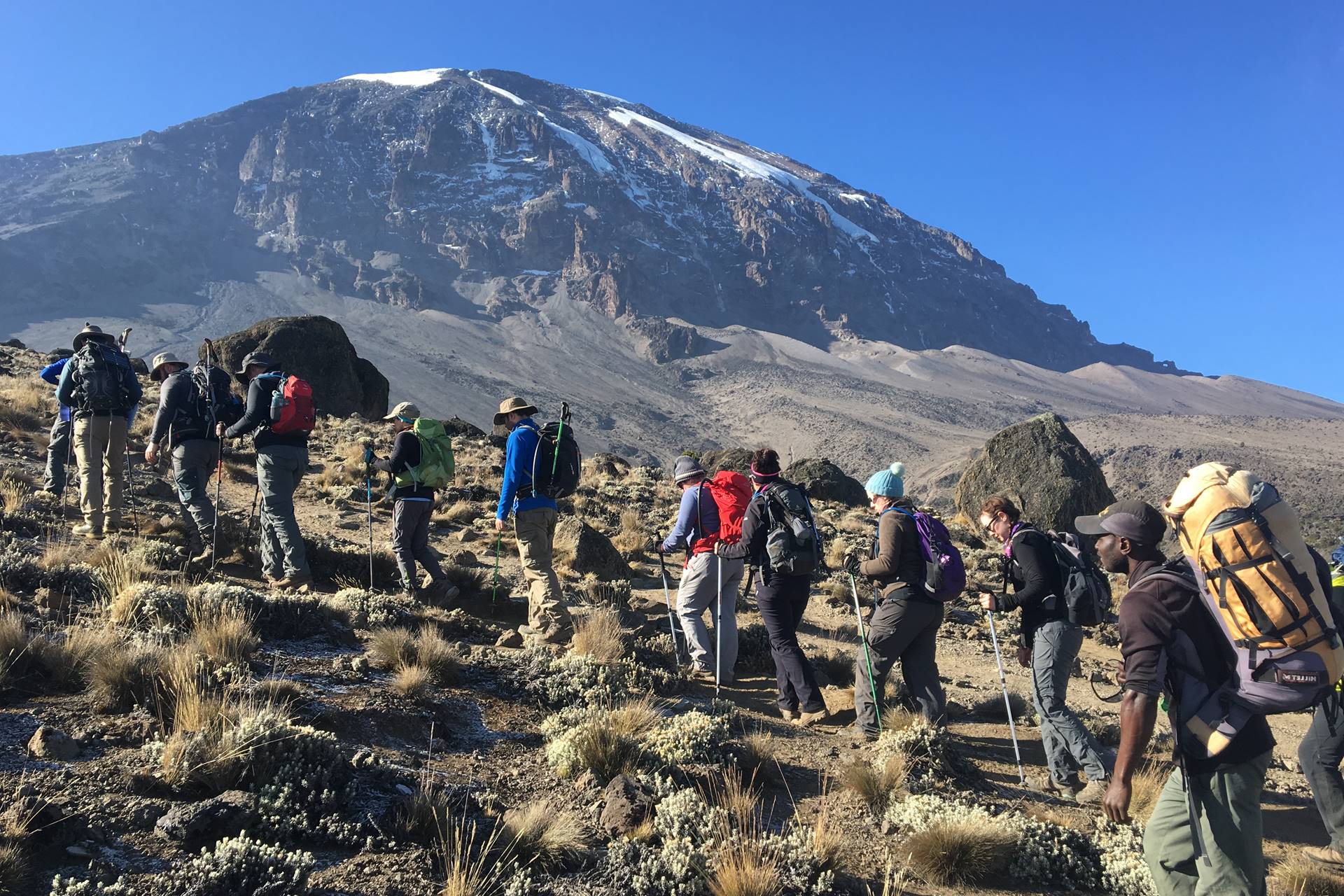
Sustainable Tourism in Africa: Our Commitment to Responsible Travel
Africa is a continent of unmatched natural beauty, rich cultural heritage, and extraordinary wildlife. From the vast plains of the Serengeti to the lush forests of the Congo Basin and the dramatic landscapes of the Ngorongoro Crater, Africa offers some of the most unforgettable travel experiences in the world.
At Tanzania Safari Source, we believe that tourism should do more than showcase beauty it should protect it. Sustainable tourism is not just a trend for us; it is the foundation of how we operate, design safaris, and engage with local communities.
In this blog, we explore what sustainable tourism means in Africa, why it matters, and how we actively contribute to making travel more responsible, ethical, and beneficial for both people and nature.

Understanding Sustainable Tourism in Africa
Sustainable tourism refers to travel practices that minimize negative environmental impacts, respect local cultures, and contribute positively to local economies.
In Africa, this concept is especially important because many ecosystems are fragile and communities rely heavily on natural resources for survival.
We define sustainable tourism through three core pillars:
1. Environmental Protection
We prioritize wildlife conservation, habitat protection, and low-impact travel practices.
2. Community Empowerment
We ensure that local communities benefit directly from tourism through employment, partnerships, and cultural preservation.
3. Economic Sustainability
We support local businesses, guides, and suppliers to ensure tourism revenue stays within the region.
Why Sustainable Tourism Matters in Africa
Africa’s natural heritage is under increasing pressure from climate change, habitat loss, and over-tourism in some regions. Without responsible travel practices, these treasures could be at risk.
We recognize several key challenges:
- Wildlife population pressures due to habitat fragmentation
- Environmental degradation from unmanaged tourism activities
- Limited economic benefits reaching rural communities
- Cultural erosion in some tourism heavy areas
Sustainable tourism offers a solution by ensuring that tourism becomes a tool for conservation rather than destruction.
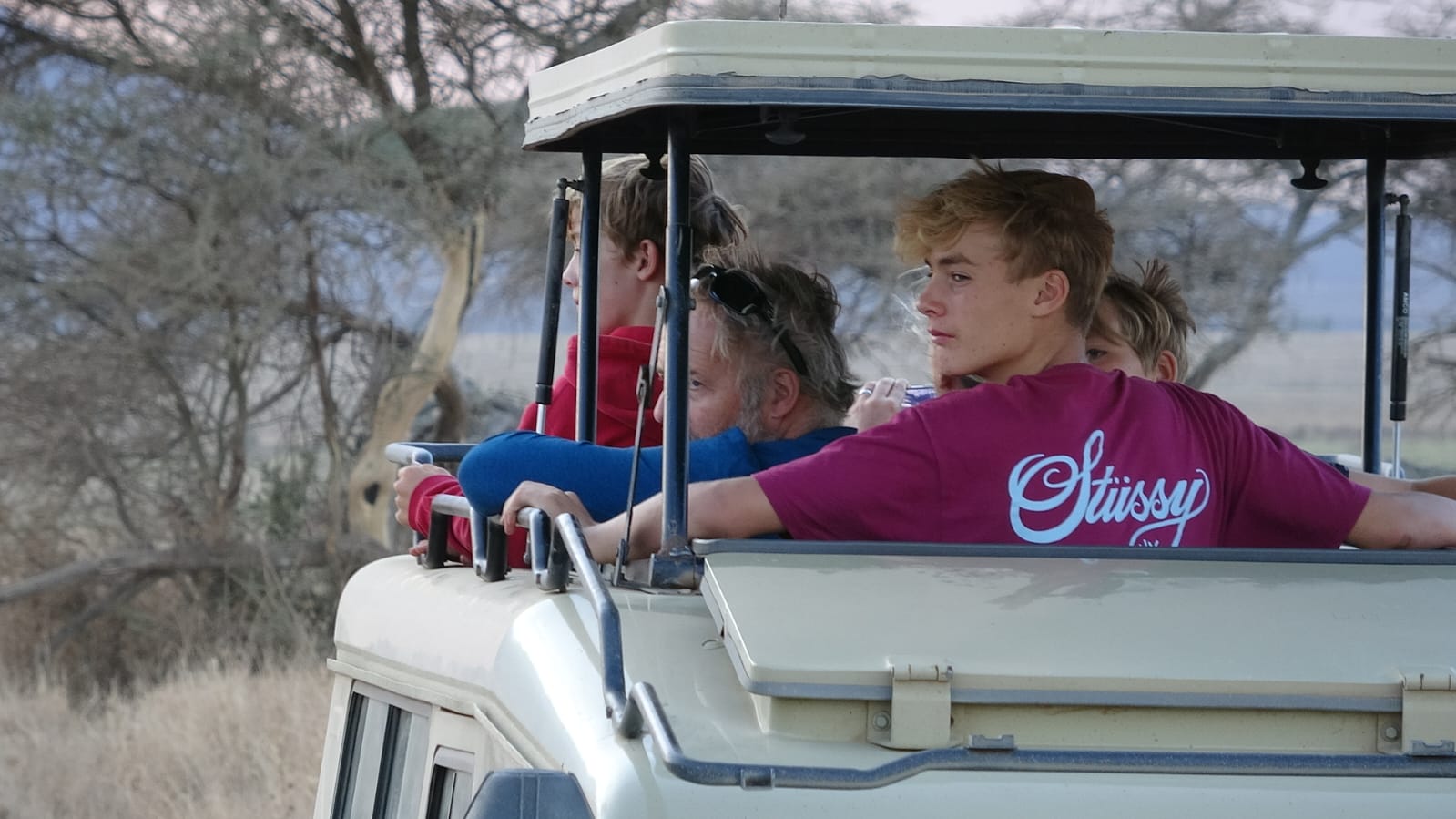
Our Role as Tanzania Safari Source in Sustainable Tourism
As a safari provider based in Tanzania, we take our responsibility seriously. Every safari we design is guided by sustainability principles that ensure minimal environmental impact and maximum local benefit.
Eco Friendly Safari Operations
We reduce our ecological footprint by:
- Using fuel efficient safari vehicles where possible
- Following designated park routes to avoid habitat damage
- Encouraging low waste travel practices among our guests
- Supporting lodges and camps that use renewable energy
We also work with partners who share our environmental values.
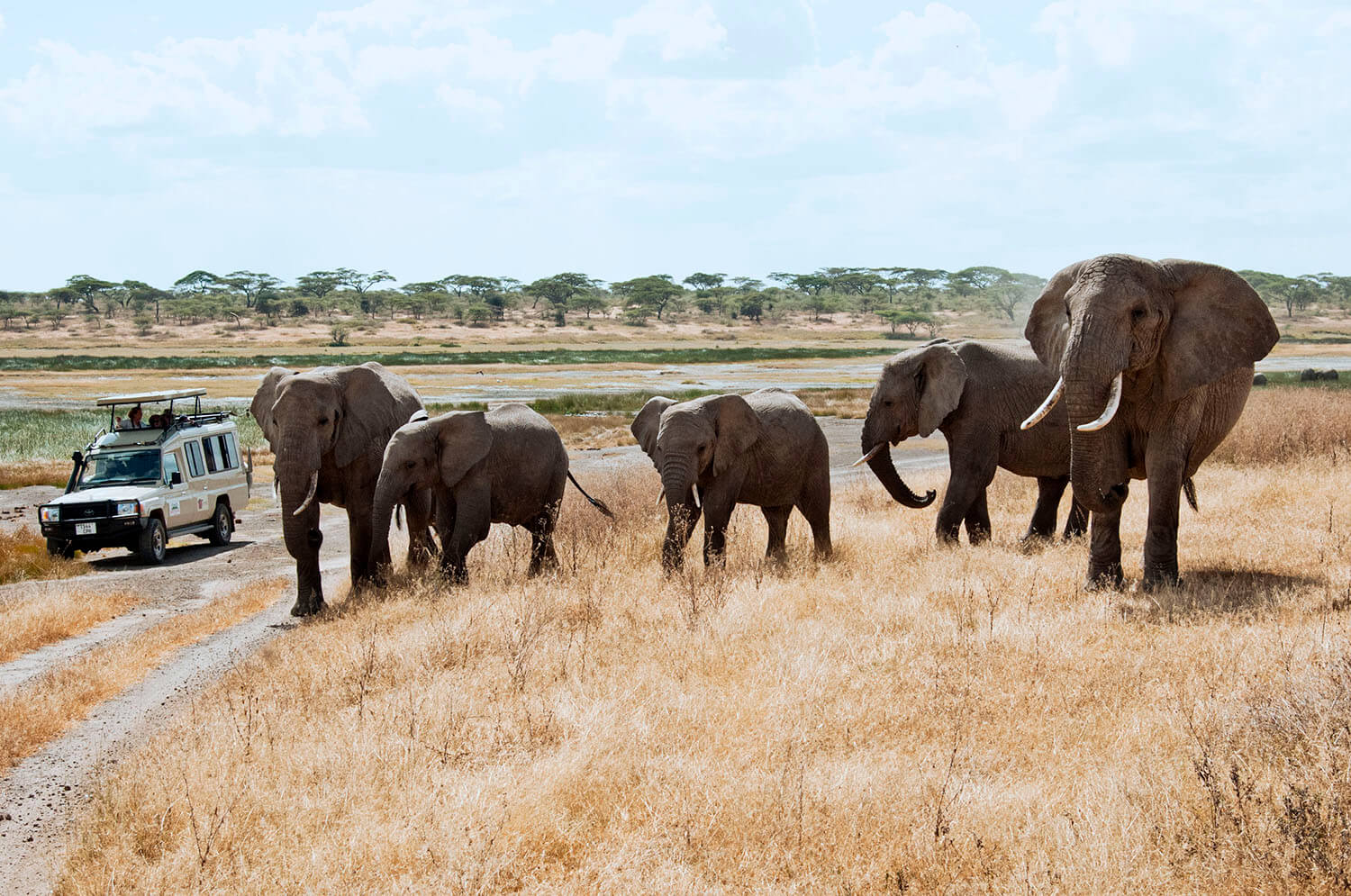
Supporting Wildlife Conservation
Wildlife is the heart of African tourism. Without it, safaris lose their meaning.
We actively support conservation efforts in key destinations such as:
- Serengeti National Park
- Ngorongoro Conservation Area
- Tarangire National Park
- Lake Manyara National Park
Our contributions include:
- Promoting responsible game viewing practices
- Educating travelers on wildlife protection
- Supporting anti poaching awareness initiatives
- Partnering with conservation focused lodges
We believe that every safari should help protect the wildlife it showcases.
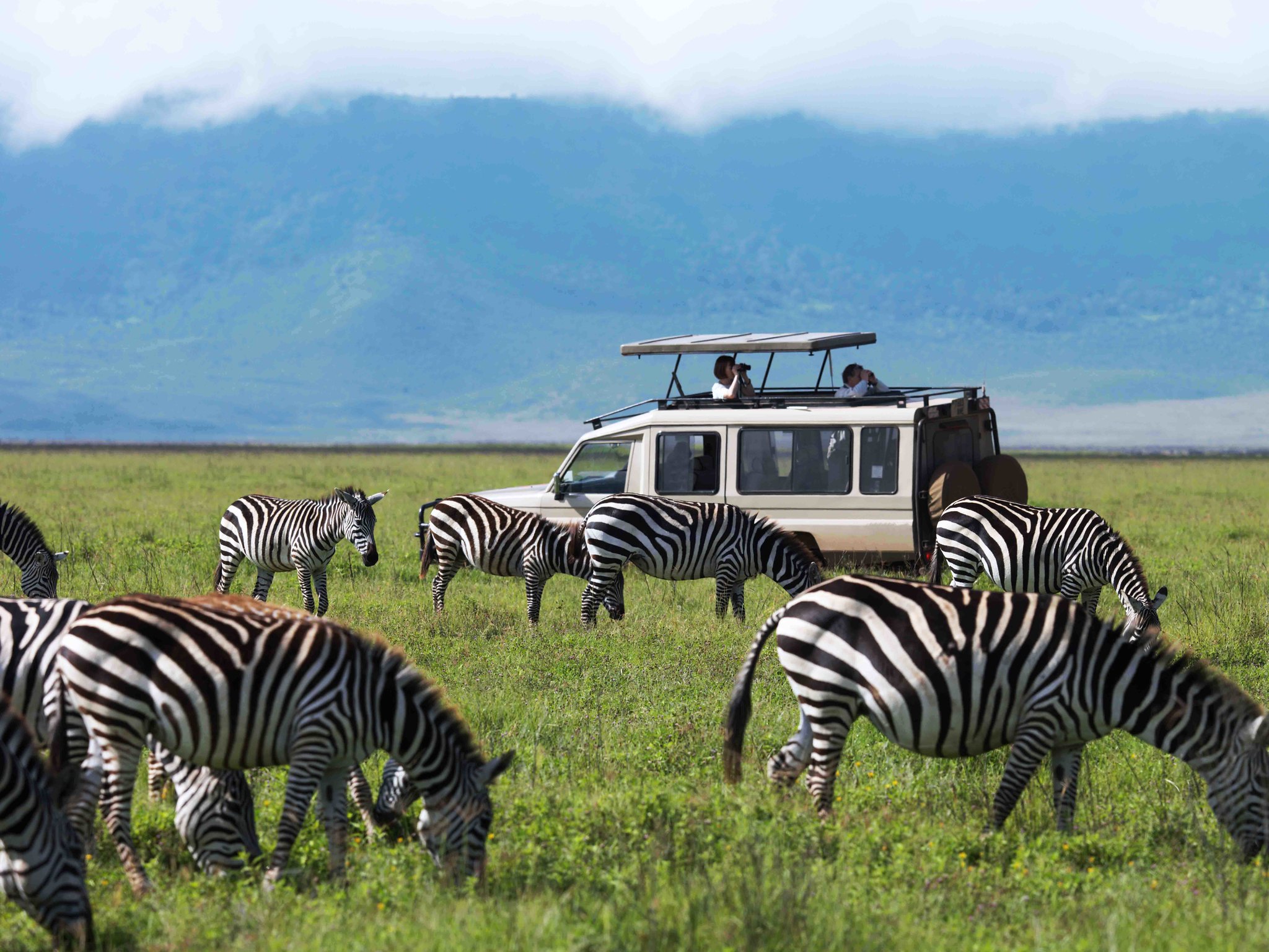
Empowering Local Communities
Sustainable tourism is not only about nature it is also about people.
We work closely with local communities across Tanzania to ensure tourism creates real, lasting benefits.
Local Employment
We prioritize hiring local guides, drivers, and support staff. This ensures that tourism income directly supports families and communities.
Cultural Experiences
We include authentic cultural interactions in our itineraries, allowing travelers to learn from and respect local traditions without exploitation.
Community Projects
We support initiatives such as:
- School development programs
- Clean water access projects
- Women’s economic empowerment groups
By investing in communities, we help ensure tourism becomes a shared success.
Responsible Safari Design
Every itinerary we create is carefully designed to reduce environmental pressure while maximizing guest experience.
We focus on:
Balanced Travel Routes
We avoid overcrowding sensitive ecosystems by planning efficient travel circuits.
Small Group Safaris
We encourage small group experiences to reduce environmental strain and improve wildlife viewing quality.
Low Impact Accommodation
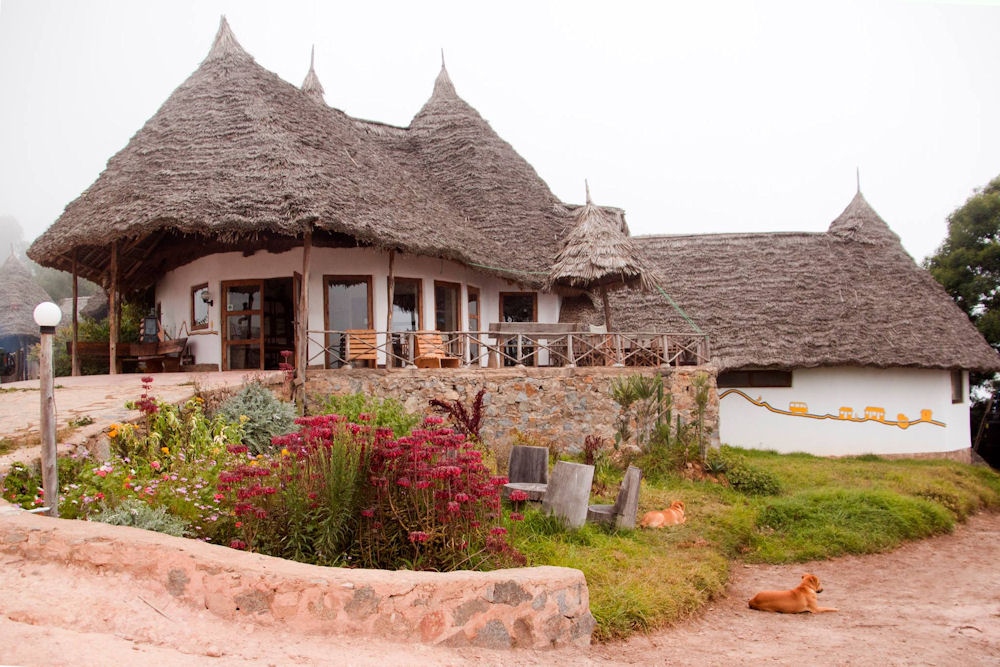
We partner with eco lodges that prioritize sustainability, waste reduction, and energy efficiency.
Education as a Core Value
We believe that informed travelers make better decisions. That is why we educate our guests before and during their safari experiences.
We share knowledge about:
- Wildlife behavior and conservation challenges
- Cultural etiquette in local communities
- Responsible photography practices
- Environmental protection guidelines
When travelers understand the impact of their actions, they naturally become more responsible.
The Role of Technology in Sustainable Tourism
Modern technology helps us improve sustainability in several ways:
- GPS tracking to avoid restricted conservation zones
- Digital itineraries to reduce paper waste
- Online communication to minimize unnecessary travel planning emissions
- Data driven route optimization for fuel efficiency
We continuously adopt tools that help us operate more responsibly.
Challenges Facing Sustainable Tourism in Africa
While progress is being made, we acknowledge that challenges still exist:
Over Tourism in Popular Parks
Destinations like the Serengeti can experience seasonal overcrowding.
Infrastructure Limitations
Some remote areas lack strong waste management systems.
Climate Change
Changing weather patterns affect wildlife migration and ecosystems.
Economic Pressures
Balancing conservation with local economic needs is an ongoing challenge.
We actively work with stakeholders to address these issues through collaboration and responsible planning.
How Travelers Can Support Sustainable Tourism
We encourage all travelers to become active participants in sustainability.
Here are simple ways visitors can make a difference:
- Choose responsible tour operators like us
- Respect wildlife viewing distances
- Avoid single use plastics during safaris
- Support local artisans and businesses
- Follow park rules and guide instructions
- Learn about the destinations before traveling
Small choices create a big impact when multiplied across thousands of visitors.
Our Vision for the Future
At Tanzania Safari Source, we envision a future where tourism and conservation work hand in hand.
Our long-term goals include:
- Expanding community based tourism programs
- Increasing partnerships with conservation organizations
- Promoting carbon conscious safari operations
- Supporting reforestation and habitat restoration projects
- Enhancing traveler education on sustainability
We are committed to ensuring that Africa remains one of the world’s most inspiring and untouched natural destinations.
Conclusion
Sustainable tourism is not optional it is essential. Africa’s landscapes, wildlife, and communities depend on responsible travel practices to thrive for generations to come.
As Tanzania Safari Source, we are proud to be part of this movement. We design safaris that protect nature, empower communities, and create meaningful experiences for travelers.
Every journey we offer is guided by one belief: tourism should leave a positive footprint.
Our package for you
6 Day Serengeti Balloon Safari
7 Day Ndutu and Zanzibar for Honeymooners
Contact Us for the Best Choice of Your Safari