
Top Reasons to Plan a Tanzania Safari in February (Discover the Magic of Ndutu)
February is one of the most extraordinary months to experience a Tanzania safari. While many travelers focus on peak-season months like July through October, those who choose February discover a quieter, greener, and incredibly rewarding side of Tanzania’s wilderness. The landscapes are lush, wildlife viewing is exceptional, and the atmosphere feels fresh and alive after the short rains.
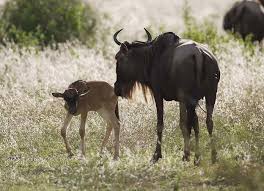
One of the most special highlights of a February safari is the Ndutu region, located in the southern Serengeti ecosystem. This area transforms into a wildlife paradise during this time of year, offering dramatic predator action, beautiful scenery, and unforgettable safari moments.
Here are the top reasons why February is a perfect time to plan your Tanzania safari.
1. Ndutu Comes Alive with Wildlife Activity
February is peak season in the Ndutu area, a unique region within the Ngorongoro Conservation Area that connects seamlessly with the southern Serengeti plains. Unlike the northern Serengeti, Ndutu allows off road driving, giving visitors an incredible advantage for wildlife viewing and photography.
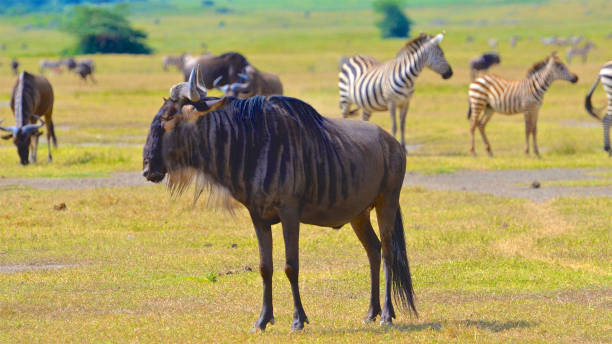
During February, the open plains of Ndutu are covered in fresh green grass, attracting large numbers of herbivores such as:
-
Wildebeest
-
Zebras
-
Gazelles
-
Antelope
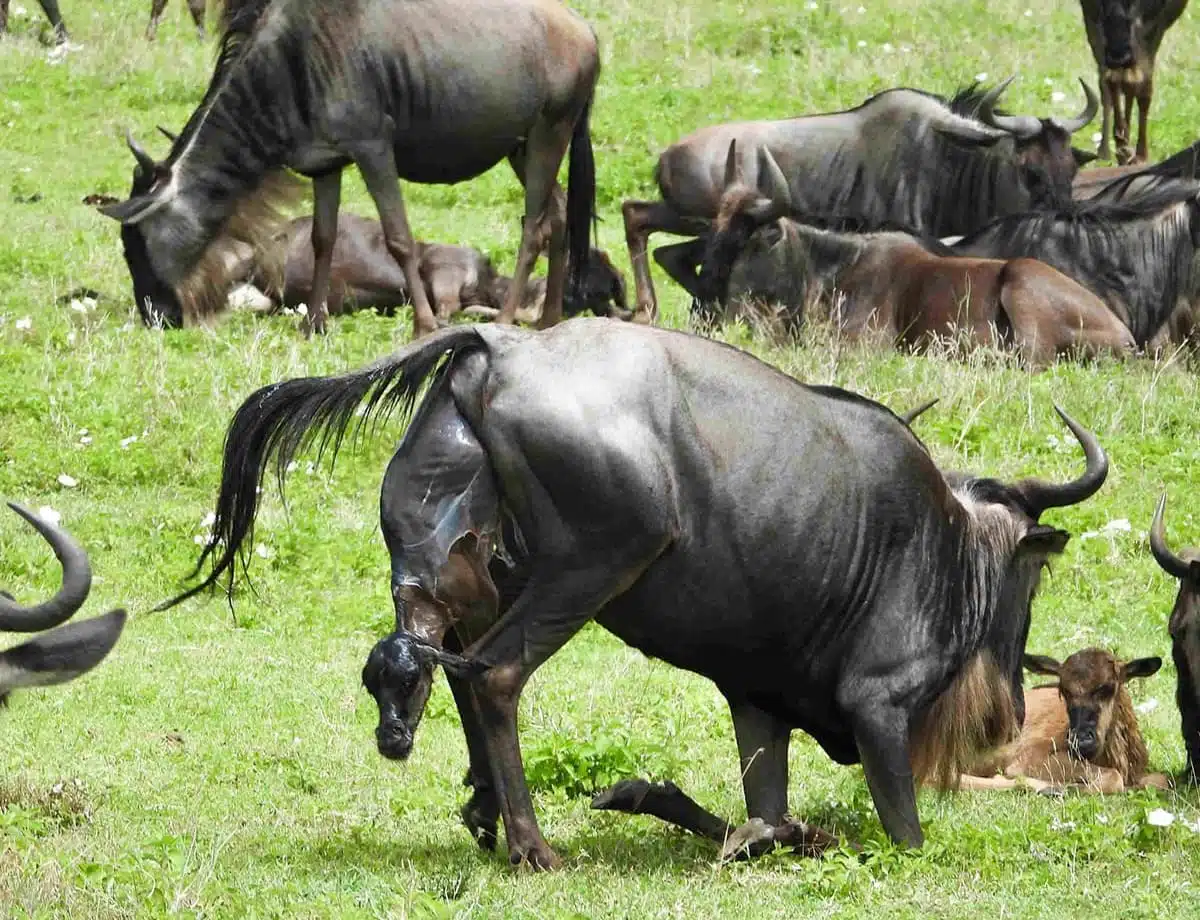
These animals gather in massive numbers because the grass is rich in nutrients, creating one of the most wildlife-dense environments in Africa.
With so many animals concentrated in one area, sightings are frequent and dramatic. It is common to see multiple species interacting within a short drive, making every game drive exciting and unpredictable.
2. Exceptional Predator Sightings
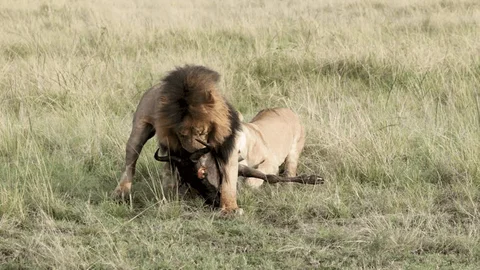
Where there are large numbers of herbivores, predators are never far away. February offers some of the best opportunities in Tanzania to see predators in action, especially in the Ndutu region.
Visitors often see:
-
Lions resting under acacia trees or stalking prey
-
Cheetahs scanning the plains from termite mounds
-
Leopards hiding in woodland areas
-
Hyenas and jackals actively hunting
Because prey animals are abundant and concentrated, predator sightings are frequent. This makes February especially exciting for travelers who want to experience the raw drama of nature.
Ndutu is particularly famous for cheetah sightings. The open plains provide the perfect hunting environment for these fast and elegant predators, and sightings here are among the best in Africa.
3. Beautiful Green Landscapes and Stunning Scenery
February falls during Tanzania’s green season, shortly after the short rains. This transforms the landscape into a lush, vibrant paradise.
The plains are covered in green grass, wildflowers bloom across the savannah, and acacia trees stand out vividly against dramatic skies. This creates some of the most beautiful safari scenery of the year.
The green season offers:
-
Clear air and fresh landscapes
-
Dramatic cloud formations
-
Excellent photography lighting
-
Colorful scenery unlike the dry season
Many photographers prefer February because the contrast between green plains, blue skies, and wildlife creates spectacular images.
4. Fewer Crowds and More Exclusive Safari Experience
Unlike peak season months, February is less crowded. This means fewer safari vehicles and a more peaceful experience in the parks.
Benefits of fewer crowds include:
-
More private wildlife encounters
-
Less competition at sightings
-
Better photographic opportunities
-
A more relaxed and authentic safari atmosphere
In Ndutu especially, visitors often enjoy incredible wildlife sightings without large numbers of vehicles, creating a more intimate connection with nature.
This exclusivity makes February ideal for travelers seeking a premium safari experience.
5. Excellent Birdwatching Opportunities
February is also one of the best months for birdwatching in Tanzania. Migratory birds from Europe and Asia are present, joining Tanzania’s resident species.
Ndutu and surrounding areas offer sightings of:
-
Flamingos
-
Secretary birds
-
Ostriches
-
Eagles and vultures
-
Colorful bee eaters and rollers
The abundance of water and greenery attracts birds in large numbers, making February perfect for bird enthusiasts and photographers.
6. Comfortable Weather and Pleasant Temperatures
February offers excellent safari weather conditions. Temperatures are warm but not extreme, and rainfall is usually light and brief.
Typical February conditions include:
-
Warm daytime temperatures (around 25–30°C / 77–86°F)
-
Cooler mornings and evenings
-
Short, refreshing rain showers
-
Mostly clear skies
Rain rarely disrupts safari activities and often enhances the experience by cooling the air and refreshing the environment.
7. Incredible Photography Opportunities
February is one of the best months for wildlife photography in Tanzania. The green landscapes, dramatic skies, and high wildlife density create perfect conditions for capturing memorable images.
Photographers benefit from:
-
Rich, vibrant backgrounds
-
Excellent lighting conditions
-
High predator activity
-
Close wildlife encounters
The Ndutu region is especially popular among professional wildlife photographers because of its open plains and off-road access.
8. Unique Safari Experience in the Ndutu Region
Ndutu offers a different safari experience compared to other parts of the Serengeti. The mix of open plains, woodlands, and lakes creates diverse habitats that support a wide variety of wildlife.
Highlights of Ndutu include:
-
Lake Ndutu and Lake Masek
-
Open savannah plains
-
Acacia woodlands
-
High predator density
Because off-road driving is permitted, guides can position vehicles closer to wildlife while maintaining safe and respectful distances.
This flexibility enhances wildlife viewing and makes each safari drive more rewarding.
9. Great Value and Availability
February often offers better availability and value compared to peak season months. Many lodges and camps offer competitive rates during this time, allowing travelers to experience luxury safaris at more affordable prices.
This makes February ideal for travelers who want:
-
High-quality safari experiences
-
Fewer crowds
-
Better lodge availability
-
Excellent wildlife viewing
It is one of the best times to enjoy a premium safari without peak season crowds and prices.
10. Combine Ndutu with Other Northern Tanzania Parks
A February safari can easily include other iconic parks in northern Tanzania, creating a complete and diverse safari experience.
Popular combinations include:
-
Tarangire National Park – famous for elephants and baobab trees
-
Ngorongoro Crater – home to dense wildlife populations
-
Lake Manyara National Park – known for tree climbing lions and birdlife
Each park offers unique landscapes and wildlife, creating a well rounded safari adventure.
Final Thoughts: February is a Hidden Gem for Tanzania Safaris
February is one of the best months to visit Tanzania, especially for those who want to experience the incredible wildlife and beauty of the Ndutu region. The green landscapes, abundant wildlife, excellent predator sightings, and peaceful atmosphere create a truly unforgettable safari.
Whether you are a first time visitor or a seasoned traveler, a February safari offers something special. From dramatic wildlife encounters to breathtaking scenery, Ndutu and northern Tanzania deliver a safari experience that exceeds expectations.
If you are looking for a unique, rewarding, and unforgettable African adventure, February is the perfect time to plan your Tanzania safari.
Our package for you
Contact Us for the Best Choice of Your Safari