
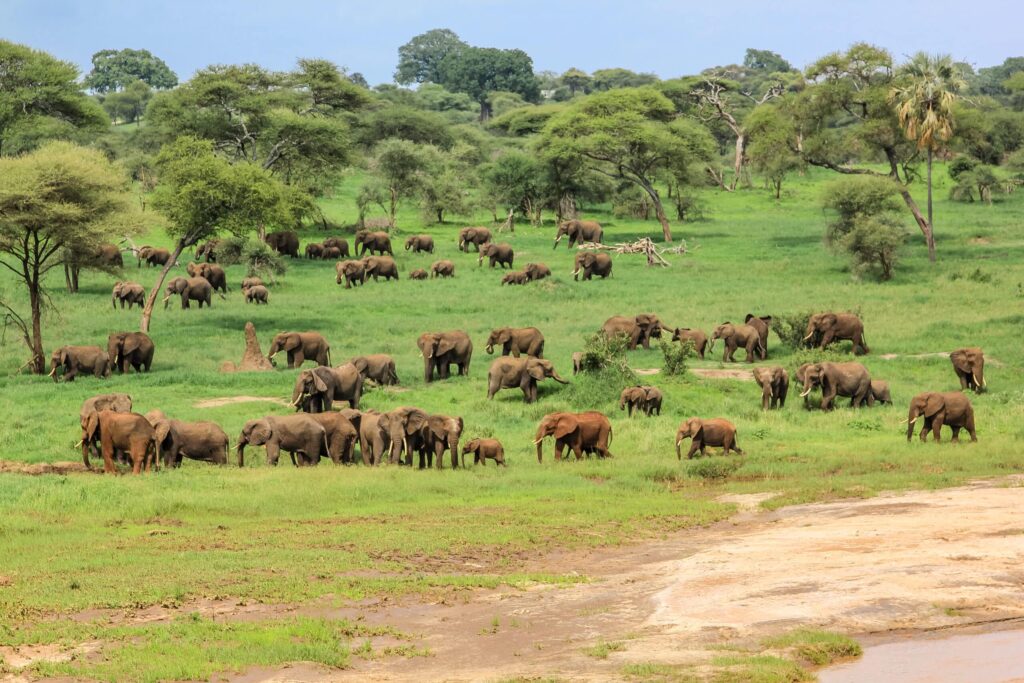
Visiting Tanzania in January: Climate, Wildlife & What to Expect
January is one of Tanzania’s most underrated travel months. While many travelers focus on peak season months like July and August, January quietly delivers beautiful landscapes, excellent wildlife viewing, and a more relaxed safari atmosphere. If you’re wondering what it’s really like to visit Tanzania in January, here’s what to expect.
Our package for you
Climate in Tanzania in January
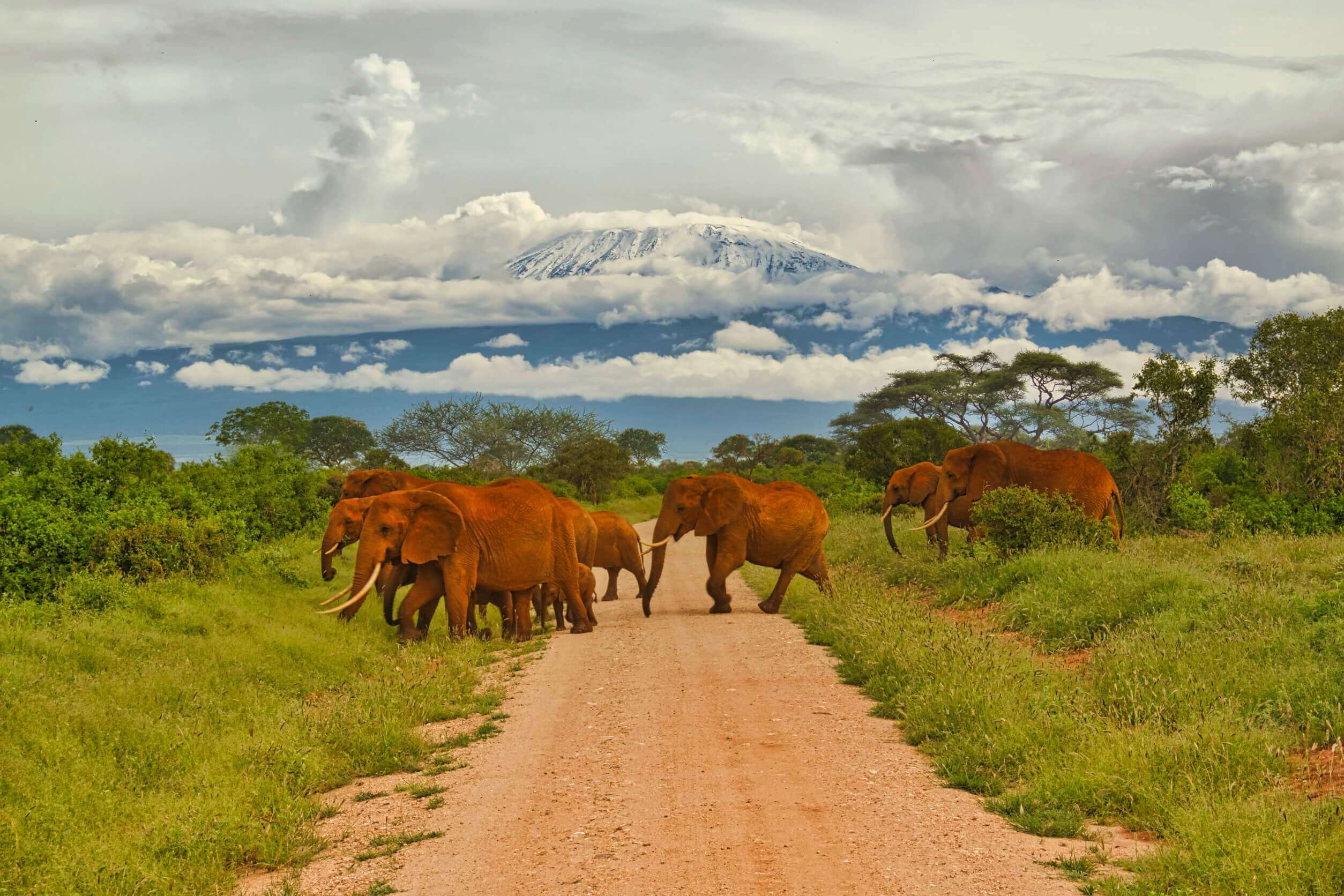
January falls within Tanzania’s short dry season, just after the short rains of November and December. The result is a country that feels fresh, green, and alive.
-
Weather: Generally warm and pleasant
-
Daytime temperatures: Around 25 to 30°C (77 to 86°F)
-
Rainfall: Light and occasional, usually short showers
-
Evenings: Mild, especially in safari areas and highlands
Rain rarely lasts all day, and most safari activities continue without disruption. Roads are passable, parks are open, and the scenery is especially beautiful thanks to the recent rains.
Wildlife Experience in January
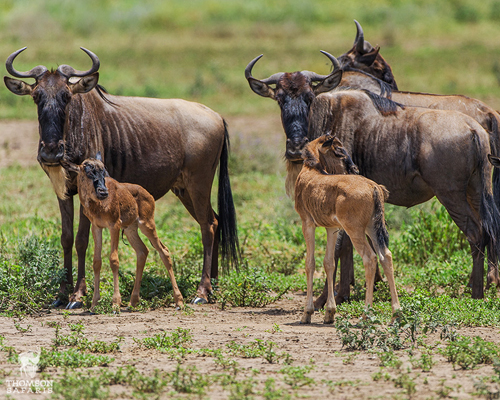
January is a fantastic month for wildlife, particularly in the Serengeti ecosystem.
-
Calving season begins: Wildebeest start giving birth in the southern Serengeti and Ndutu area
-
Predator action: Lions, cheetahs, and hyenas are very active due to the abundance of prey
-
Excellent game viewing: Animals are well fed and active, with fewer crowds
This period is ideal for photographers and travelers who want to witness raw, natural moments newborn calves taking their first steps and predators on the move.
Safari Parks to Visit in January
Some parks truly shine in January:
-
Serengeti National Park: Calving season and dramatic wildlife scenes
-
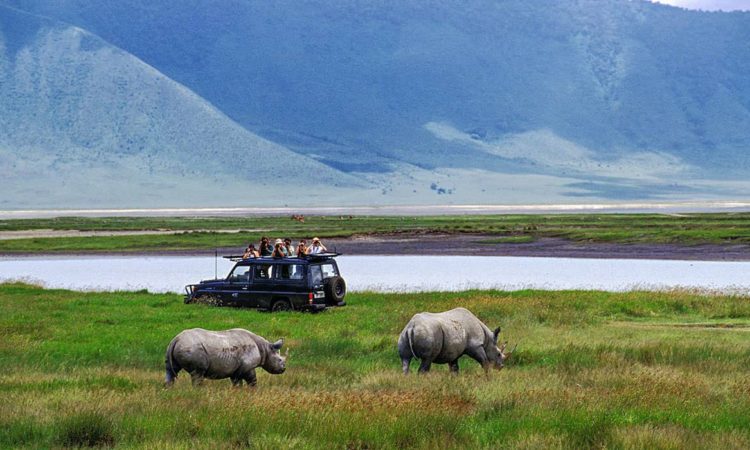
Ngorongoro Crater: Year round wildlife with lush green landscapes
-
Tarangire National Park: Large elephant herds and beautiful vegetation
-
Lake Manyara National Park: Flamingos, birdlife, and green forest views
Birdwatchers will especially enjoy January, as migratory birds are present across many parks.
What to Expect as a Traveler
January is considered a shoulder season, which comes with several advantages:
-
Fewer tourists compared to peak months
-
Better availability of lodges and camps
-
A calmer, more private safari experience
-
Sometimes more flexible pricing
Safaris in January feel less rushed, allowing you to enjoy wildlife sightings without crowds of vehicles.
What to Pack for January Travel
Packing smart makes all the difference:
-
Lightweight clothing for warm days
-
A light rain jacket or poncho
-
Comfortable safari shoes
-
Neutral colors (beige, khaki, olive)
-
Camera gear: January offers stunning green backdrops
Don’t forget sunscreen and insect repellent, especially in the evenings.
Is January a Good Time to Visit Tanzania?
Absolutely. January is ideal for travelers who want great wildlife, beautiful landscapes, and a more relaxed safari pace. It’s especially perfect if you’re interested in the wildebeest calving season, photography, or avoiding peak season crowds.
At Tanzania Safari Source Tours, January safaris are carefully planned to match animal movements and weather patterns, ensuring guests experience the very best of Tanzania comfortably, privately, and at the right pace.
Final Thoughts
Visiting Tanzania in January offers a unique blend of greenery, wildlife action, and tranquility. It’s a month that rewards travelers who value authenticity, natural beauty, and meaningful safari moments.
If you’re looking for a time when Tanzania feels alive, uncrowded, and truly special January is a month worth choosing
Contact Us for the Best Choice of Your Safari