
Where Are the Herds? Tracking the Wildebeest Migration Progress (May 2026 Update)
Every year, millions of travelers dream about witnessing the Great Wildebeest Migration in Tanzania. It is one of the most spectacular wildlife events on Earth an endless movement of wildebeest, zebras, and gazelles crossing the plains of the Serengeti in search of fresh grazing and water. But one question we hear often at Tanzania Safari Source is simple:
“Where are the herds right now?”
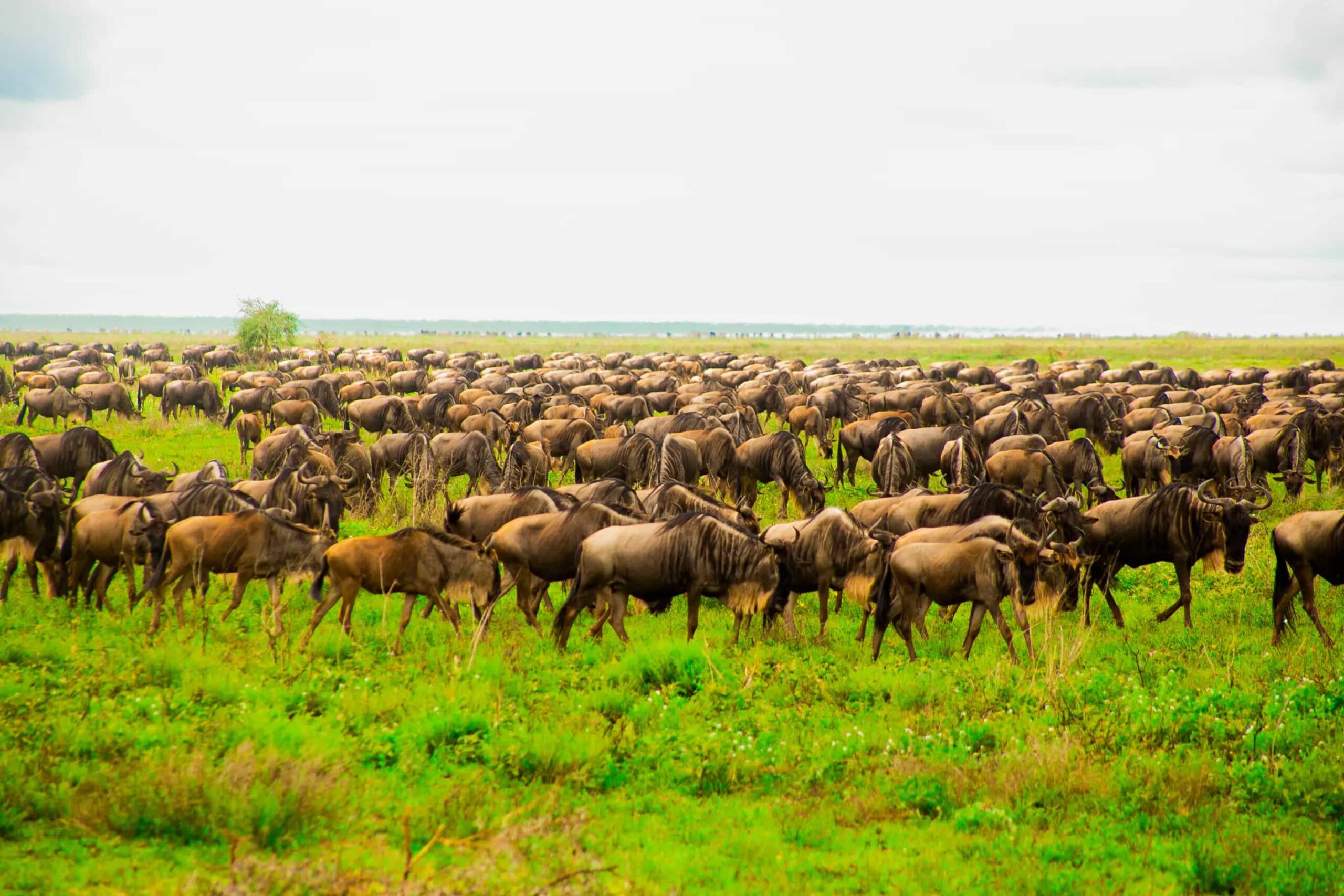
In May 2026, the migration is once again on the move. After months spent in the southern Serengeti and Ndutu regions during calving season, the massive columns of wildebeest have started their long journey northward. The landscape is changing, rainfall patterns are shifting, and predator activity is increasing as the migration pushes toward the central and western Serengeti.
For safari travelers planning a trip this season, timing and location matter more than ever. The migration never stays in one place for long, and understanding its movement can make the difference between a good safari and an unforgettable one.
Understanding the Migration Cycle
The Great Migration is not a single event or one dramatic river crossing. It is a continuous circular movement driven by rainfall and grazing conditions across the Serengeti ecosystem and the Maasai Mara in Kenya.
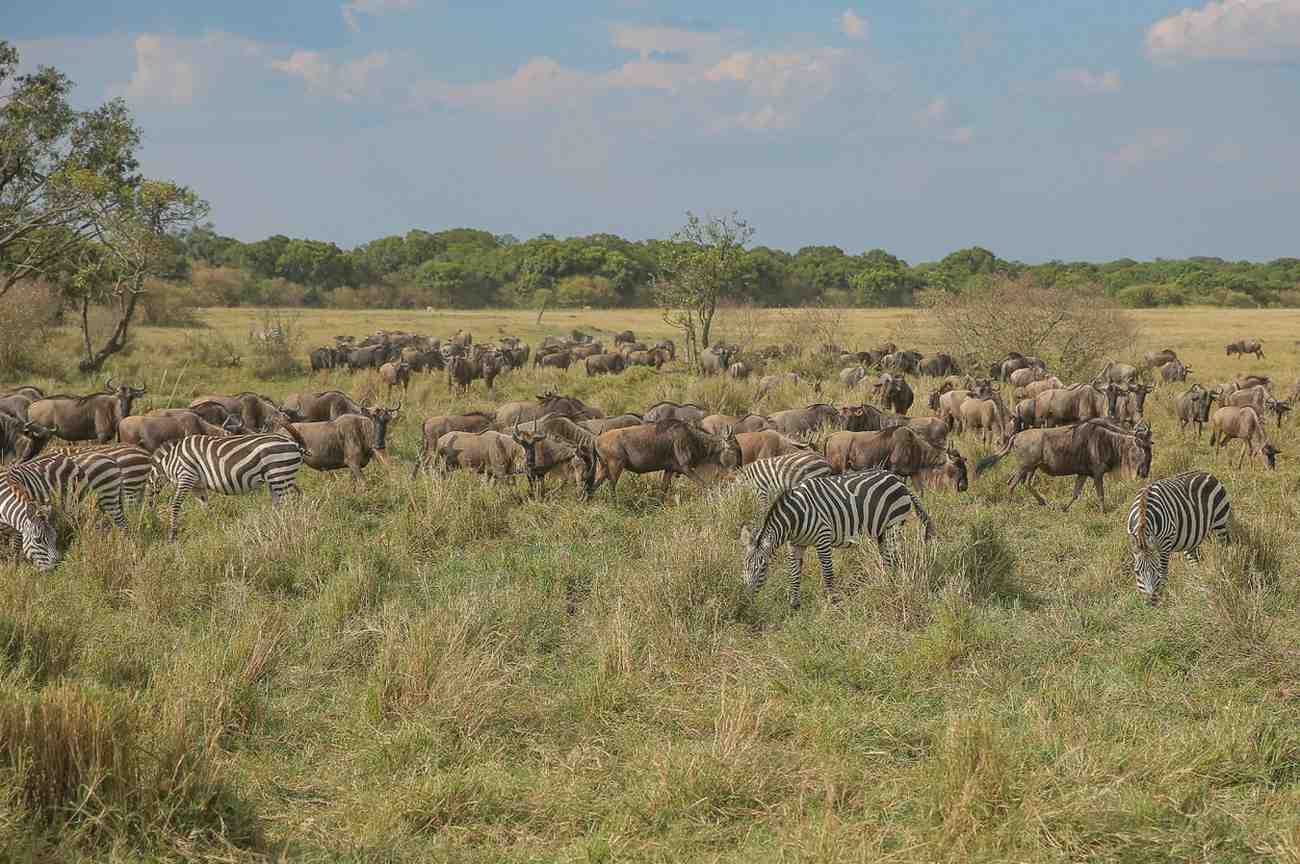
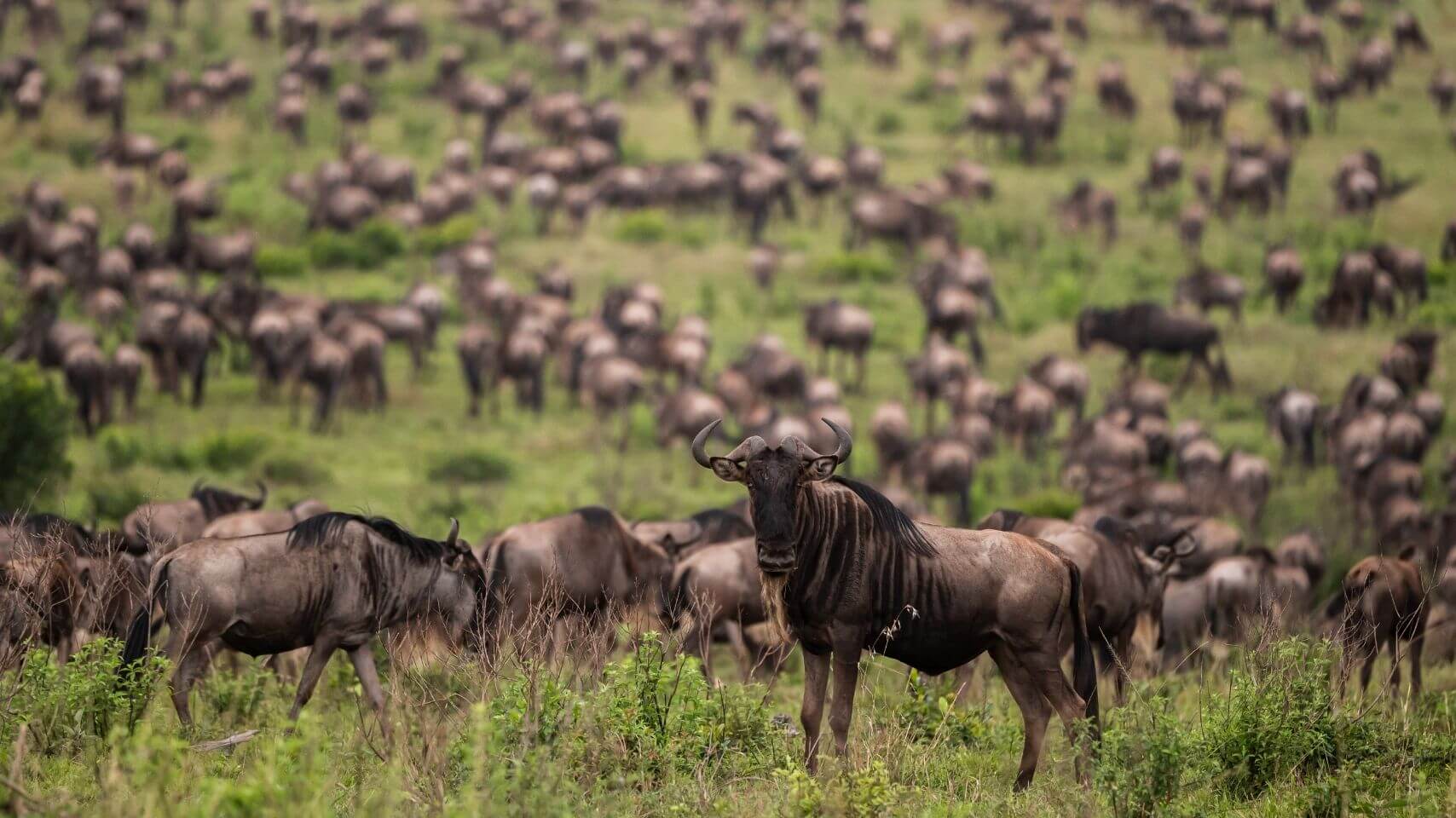
More than 1.5 million wildebeest move together with hundreds of thousands of zebras and antelopes. Their journey follows ancient instincts tied to survival, fresh grass, and seasonal rain.
By May, the migration usually enters a transition phase. The short-grass plains of the south begin drying out, and the herds gradually move northwest through central Serengeti toward the western corridor.
This movement creates some of the most dramatic safari scenes of the year:
- Long columns of wildebeest stretching across the horizon
- Predator ambushes near river valleys
- Intense rutting behavior among males
- Large gatherings near fresh grazing areas
Unlike the crowded river crossing season later in the year, May offers a quieter and greener safari atmosphere with excellent wildlife viewing.
Where Are the Herds in May 2026?
As of May 2026, most migration herds are spreading across several key areas inside Serengeti National Park.
Southern and Central Serengeti
Some lingering groups are still visible in the southern plains after the calving season. However, many herds have already started moving through central Serengeti near Seronera.
This region currently offers one of the best chances to see:
- Massive moving columns of wildebeest
- Predator interactions
- Zebra herds mixed with migration groups
- Lions following the migration trails
The Seronera Valley remains especially active because permanent water sources attract both grazers and predators throughout the year.
Western Corridor Movement Beginning
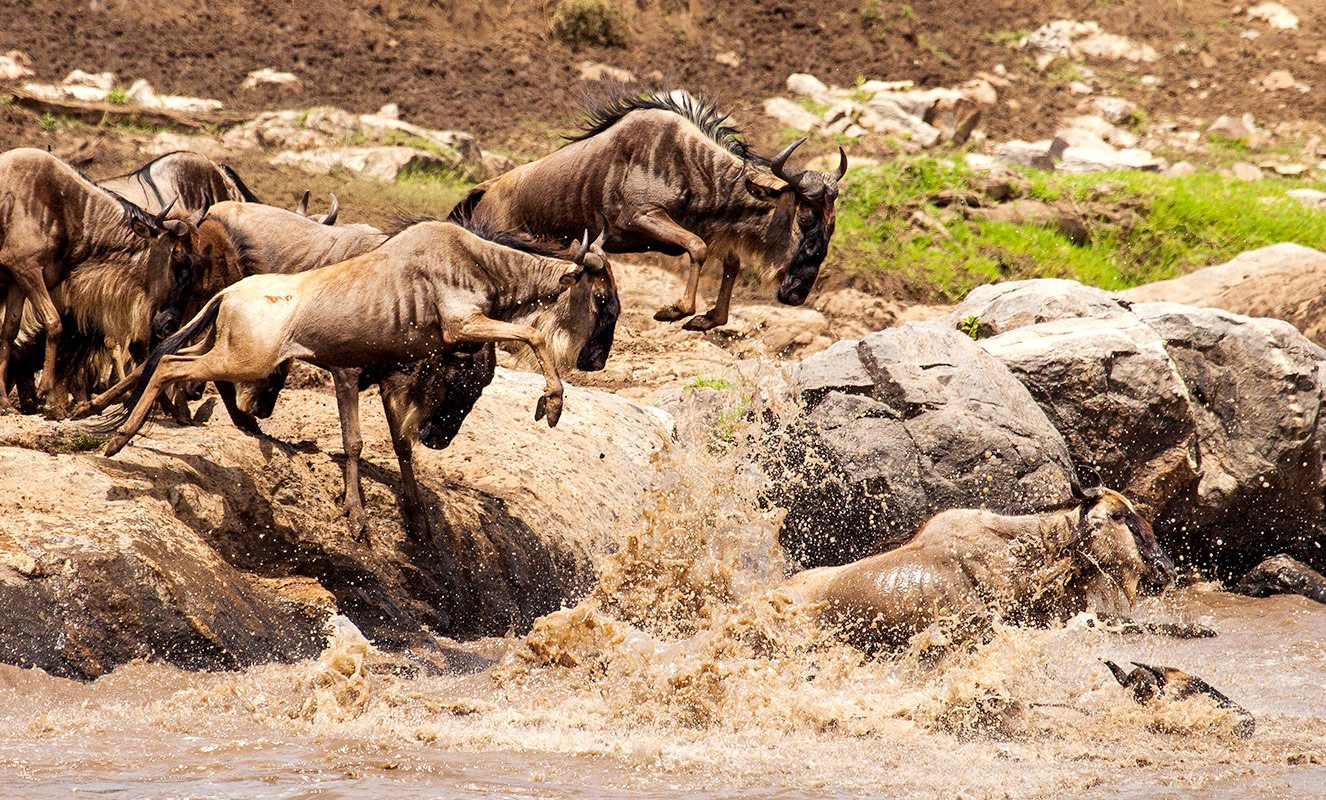
One of the most important May developments is the gradual migration toward the western corridor. Herds are beginning to spread toward areas near the Grumeti ecosystem where river crossings will later become a major attraction.
Although the famous Grumeti River crossings are more common in June and July, early movement patterns are already visible.
Travelers visiting during late May may witness:
- Gathering herds near river systems
- Wildebeest rutting season activity
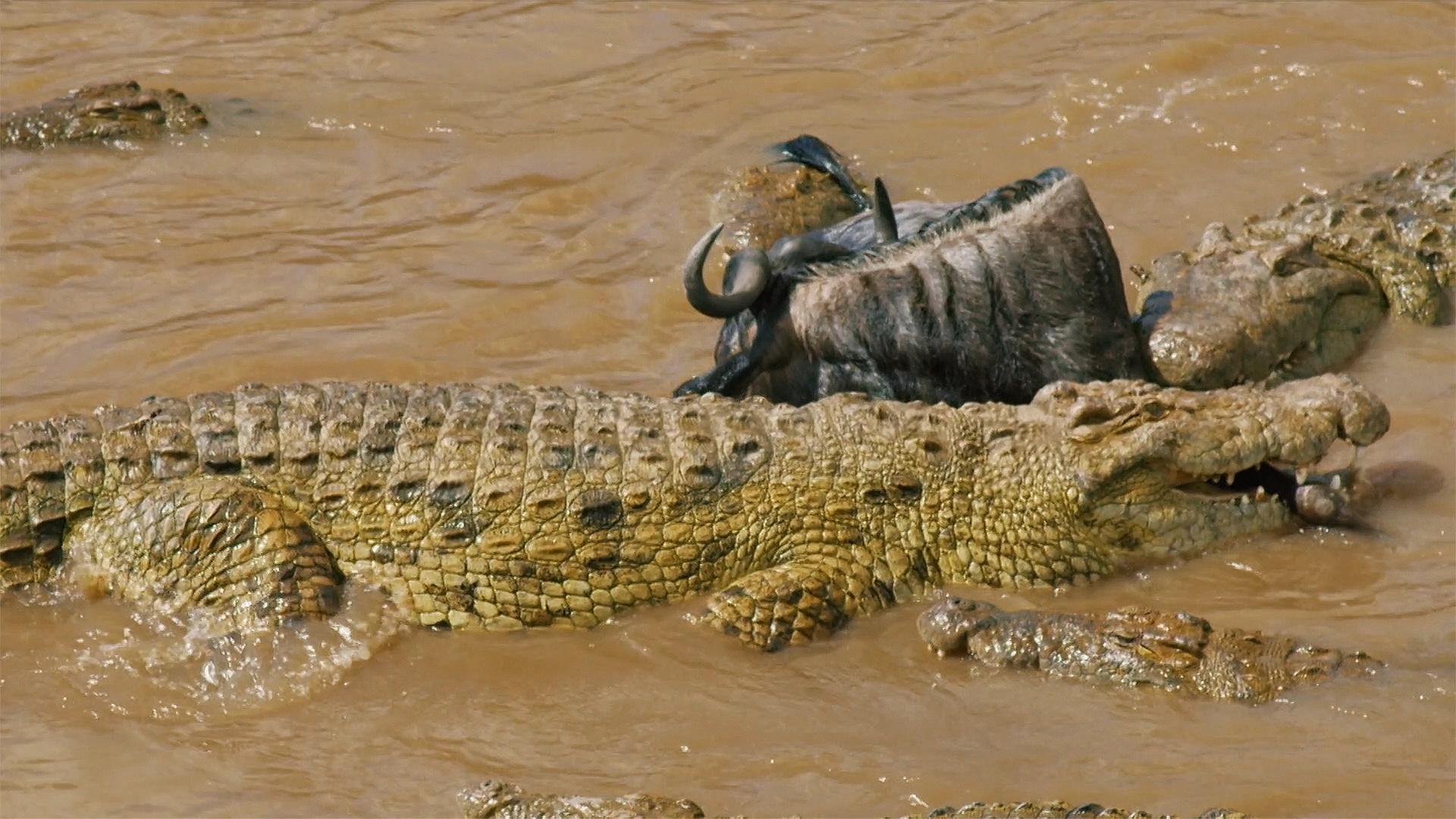
- Crocodiles preparing along riverbanks
- Increasing predator pressure
This period is particularly exciting because the migration feels active and unpredictable.
The May Rutting Season
One of the lesser known highlights of May safaris is the wildebeest rutting season.
Male wildebeest compete aggressively for territory and mating rights during this period. Across the plains, dramatic confrontations unfold as bulls chase rivals, defend females, and display dominance.
Visitors often focus only on river crossings, but May’s rutting season delivers incredible wildlife drama with far fewer crowds.
You may hear:
- Loud grunting calls across the plains
- Hooves pounding during territorial fights
- Sudden herd stampedes
- Predator attacks targeting exhausted animals
This natural spectacle creates exceptional photography opportunities.
Predator Action Intensifies
Where the migration moves, predators follow.
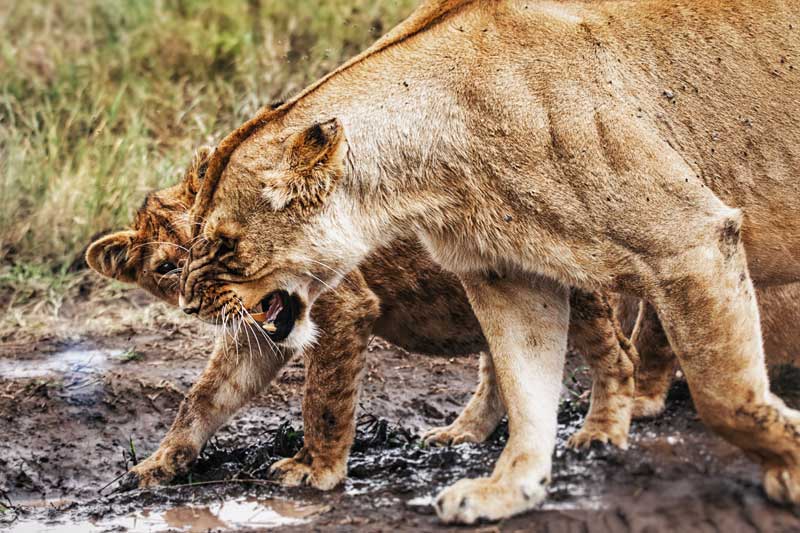
In May 2026, lion prides across central Serengeti are actively tracking herd movements. Hyenas patrol migration routes while cheetahs search for vulnerable calves and separated antelope.
Leopards are also frequently seen near riverine forests and rocky kopjes where prey activity increases.
At Tanzania Safari Source, we often recommend May for travelers who want balanced wildlife viewing rather than focusing solely on river crossings. During this season, predator sightings can be remarkably consistent.
Why May Is an Underrated Safari Season
Many travelers mistakenly avoid May because it falls within the green season. In reality, this can be one of the most rewarding safari months in Tanzania.
Fewer Crowds
Popular wildlife areas are quieter compared to peak season months. Safari experiences feel more exclusive and relaxed.
Beautiful Landscapes
Rain transforms the Serengeti into a lush green paradise filled with dramatic skies and excellent photography conditions.
Excellent Wildlife Density
Migration herds remain concentrated in accessible areas before spreading farther north.
Better Safari Value
Many lodges and camps offer attractive seasonal rates during May.
For photographers, birdwatchers, honeymooners, and wildlife enthusiasts, this period offers a different kind of safari magic.
Best Safari Areas for Migration Viewing in May 2026
At Tanzania Safari Source, we currently recommend focusing on these migration regions:
Central Serengeti
Ideal for:
- Resident predators
- Large herd movements
- Classic Serengeti landscapes
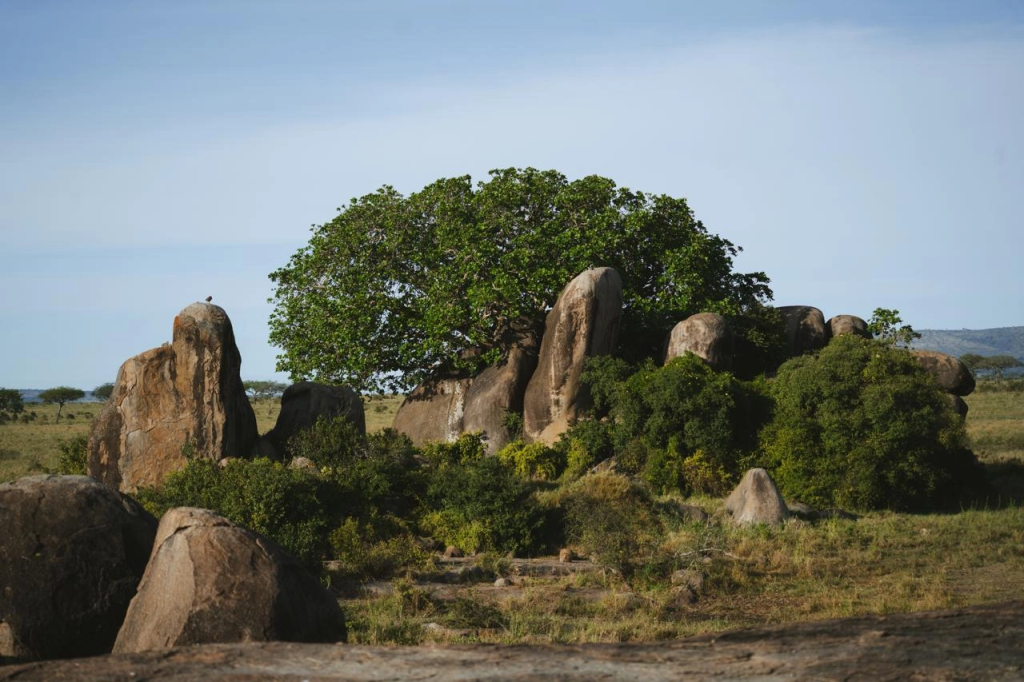
Moru Kopjes
Excellent for:
- Black rhino sightings
- Lions on rocky outcrops
- Scenic photography
Western Corridor
Best for:
- Early river movement
- Expanding migration columns
- Fewer vehicles
Ndutu Transition Areas
Still productive for:
- Late migration groups
- Hyenas and cheetahs
- Green season scenery
Weather Conditions in May 2026
Rainfall remains possible in May, though showers are often shorter and more scattered compared to April.
Typical conditions include:
- Cool mornings
- Fresh green plains
- Occasional afternoon rain
- Comfortable safari temperatures
Road conditions in some remote areas may become muddy, but experienced safari guides adapt routes daily based on migration movement and accessibility.
The dramatic cloud formations and fresh vegetation also create some of the year’s most beautiful safari photography conditions.
What Happens Next?
As May transitions into June, the migration will continue pushing northwest toward the Grumeti region before eventually heading north toward the Mara River.
Future months may bring:
- Grumeti River crossings
- Larger herd concentrations
- Increased crocodile encounters
- Northward migration toward northern Serengeti
However, migration timing is never perfectly predictable. Rainfall patterns influence movement every year, which is why flexible safari planning is important.
At Tanzania Safari Source, we continuously monitor herd locations and guide travelers toward the best wildlife areas based on current migration progress.
Planning a Migration Safari in 2026
Choosing the right safari itinerary depends on what you want to experience most.
If you prefer:
- Green landscapes
- Fewer crowds
- Predator action
- Active herd movement
Then May can be one of the best safari months in Tanzania.
Travelers focused mainly on dramatic river crossings may prefer later months, but many experienced safari enthusiasts return specifically during May because of the peaceful atmosphere and dynamic migration activity.
Whether you are visiting for photography, a honeymoon, family adventure, or first time safari experience, understanding the migration’s seasonal rhythm helps create a far more rewarding journey.
Final Thoughts
The Great Wildebeest Migration is constantly evolving, and May 2026 is proving to be an exciting transition period across the Serengeti ecosystem. Herds are on the move, predators are highly active, and the landscape remains breathtakingly green after the rains.
For travelers wondering where the herds are right now, the answer is clear: the migration is alive and moving through central Serengeti toward the western corridor, creating extraordinary wildlife experiences along the way.
At Tanzania Safari Source, we believe every migration safari should feel personal, immersive, and connected to the rhythm of nature itself. Following the migration is never just about checking animals off a list it is about witnessing one of Earth’s last truly wild journeys unfold in real time.Our packages for you
4 Day Migration Safari
6 Day Migration Safari
5 Day Migration Safari
Contact Us for the Best Choice of Your Safari