
Where Is the Great Migration in June, July, and August 2026? A Month by Month Guide
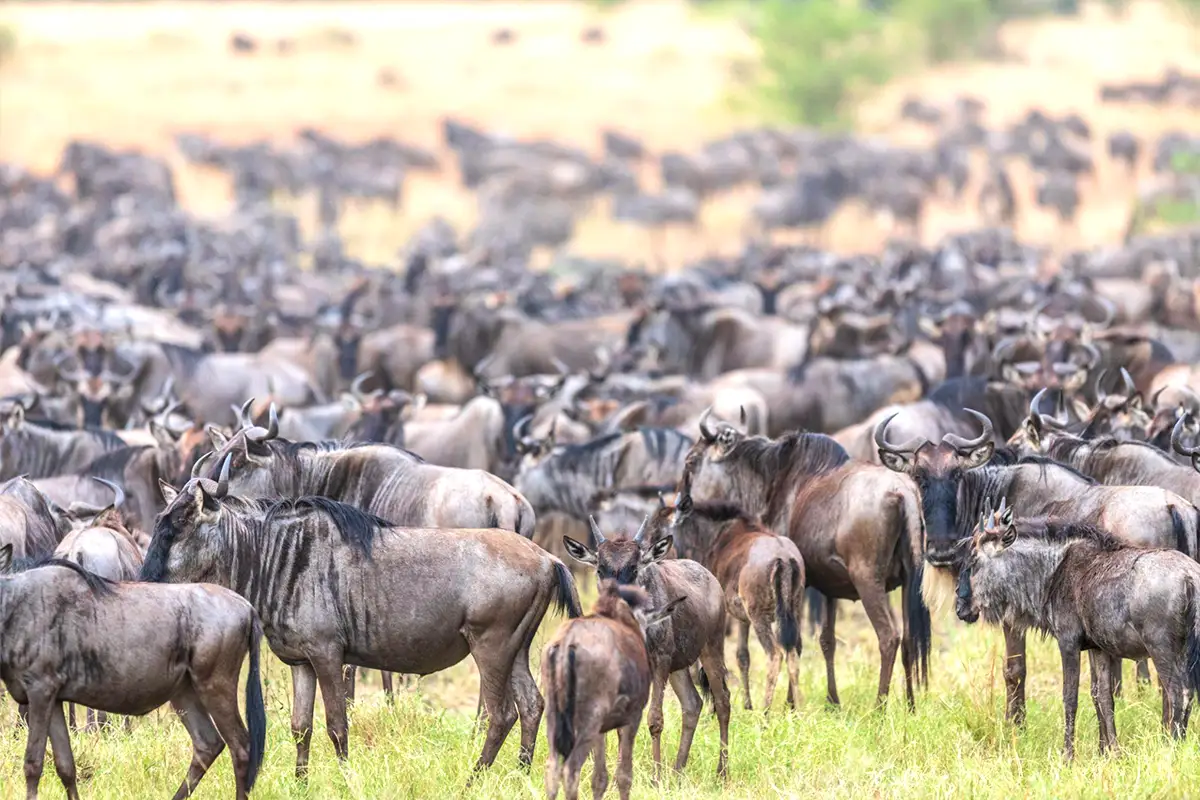
The Great Migration is one of the most spectacular wildlife events on Earth. Every year, more than 1.5 million wildebeest, accompanied by hundreds of thousands of zebras and gazelles, move across the vast plains of Tanzania and Kenya in search of fresh grazing and water. For travelers planning a safari, one of the most common questions we receive at Tanzania Safari Source is: Where will the Great Migration be during June, July, and August 2026?
The answer depends on rainfall patterns, grass conditions, and the movement of the herds throughout the Serengeti ecosystem. While nature never follows an exact timetable, decades of observation allow us to predict the migration's likely locations with remarkable accuracy.
In this guide, we explain where the migration is expected to be each month, what wildlife experiences you can anticipate, and how to plan the perfect safari around one of Africa's greatest natural spectacles.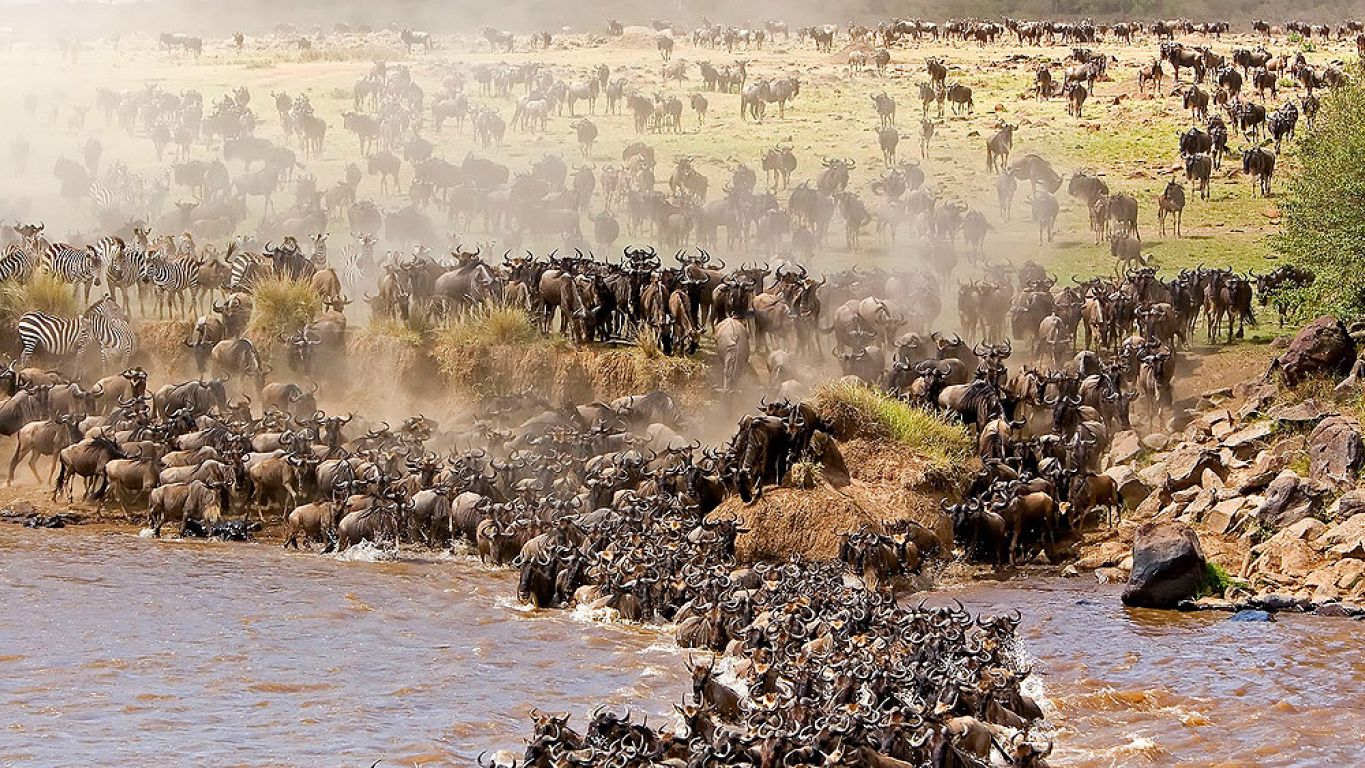
Understanding the Great Migration
Before diving into the monthly breakdown, it helps to understand how the migration works.
The Great Migration is not a single event but a continuous cycle. The herds move throughout the year following seasonal rains and fresh grass. Their journey covers approximately 800 kilometers (500 miles) through the Serengeti-Mara ecosystem.
The annual cycle typically includes:
- Calving season in the southern Serengeti
- Movement toward the Western Corridor
- Grumeti River crossings
- Northward migration toward the Mara River
- Dramatic Mara River crossings
- Return south as rains begin again
June, July, and August represent one of the most exciting periods because the herds are moving northward and encountering some of the most challenging river crossings of their journey.
The Great Migration in June 2026
Expected Location: Central Serengeti to Western Corridor
By June 2026, the majority of the migration is expected to be leaving the southern and central Serengeti and heading toward the Western Corridor.
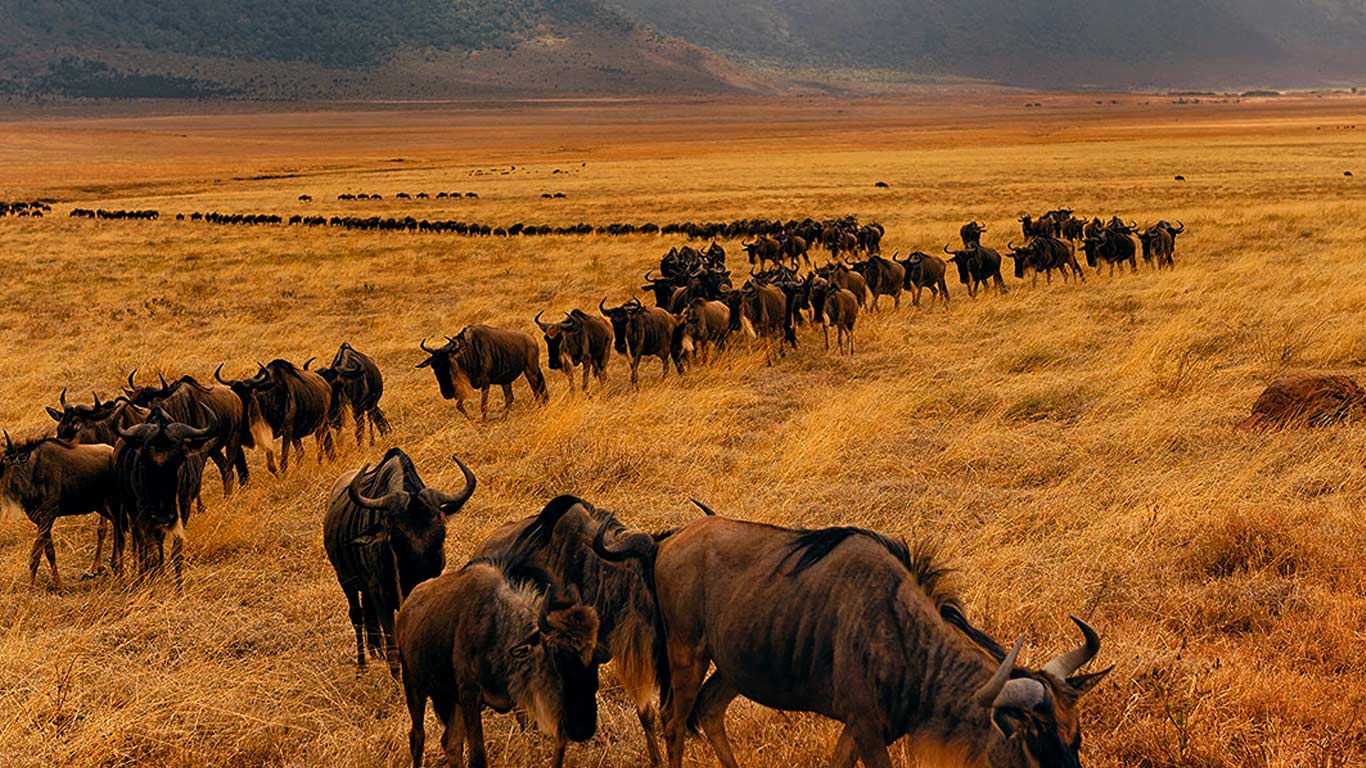
This period marks the beginning of the dry season in northern Tanzania. As the grass becomes shorter in the south, massive columns of wildebeest begin moving northwest through the central Serengeti.
Visitors during June often witness:
- Long migration lines stretching across the plains
- Large concentrations of wildebeest and zebras
- Predator activity around moving herds
- Early Grumeti River crossing attempts
- Excellent wildlife viewing with fewer crowds than peak season
What Makes June Special?
June is often overlooked in favor of July and August, but many experienced safari travelers consider it one of the best months for viewing the migration.
The landscape remains relatively green after the long rains, creating stunning photographic opportunities. The herds are also highly active, constantly moving in search of better grazing.
Unlike later months, June offers a sense of unpredictability and exploration. Every game drive can reveal new migration movements and fresh wildlife encounters.
Wildlife Highlights in June
Predators closely follow the migration. During June 2026, visitors may see:
- Lions hunting near migration routes
- Leopards resting in riverine forests
- Cheetahs targeting young wildebeest
- Hyenas trailing large herds
- Jackals scavenging after predator kills
The abundance of prey makes June one of the best months for dramatic predator-prey interactions.
Best Areas to Visit in June
For the highest chances of seeing the migration during June 2026, we recommend:
- Central Serengeti
- Seronera Valley
- Western Corridor
- Grumeti region
A safari that combines Central Serengeti and Western Serengeti typically provides excellent migration viewing opportunities.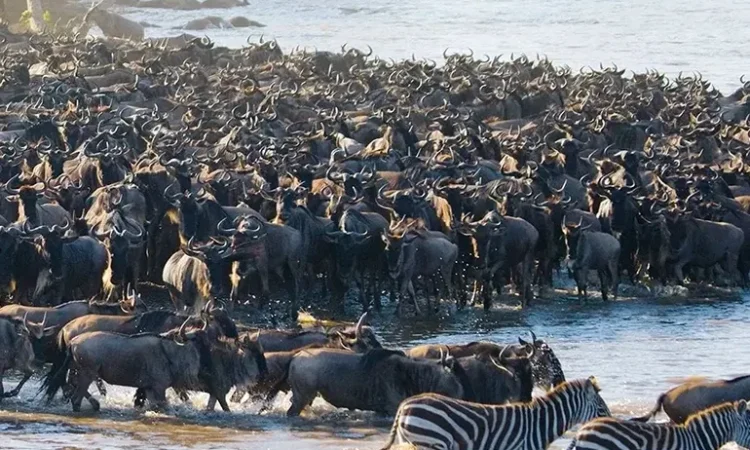
The Great Migration in July 2026
Expected Location: Western Corridor to Northern Serengeti
July is one of the most exciting months of the migration year.
During July 2026, large sections of the herds are expected to continue their movement northward. Depending on rainfall and grazing conditions, many animals will begin arriving in the northern Serengeti while others remain in the Western Corridor.
This creates opportunities to witness multiple migration stages within the same safari.
The Grumeti River Crossings
One of July's major attractions is the Grumeti River.
The Grumeti crossings are dramatic and unpredictable. Wildebeest gather on riverbanks before making sudden decisions to cross. These crossings often involve:
- Thousands of animals moving together
- Intense predator activity
- Large Nile crocodiles waiting in the water
- Dust-filled scenes of chaos and excitement
Although not as famous as the Mara River crossings, many safari enthusiasts find the Grumeti crossings equally thrilling.
Why July Is One of the Best Safari Months
July combines several advantages:
- Dry weather
- Pleasant temperatures
- Excellent road conditions
- High wildlife concentrations
- Exceptional photography opportunities
The shorter grass also makes it easier to spot predators and other wildlife.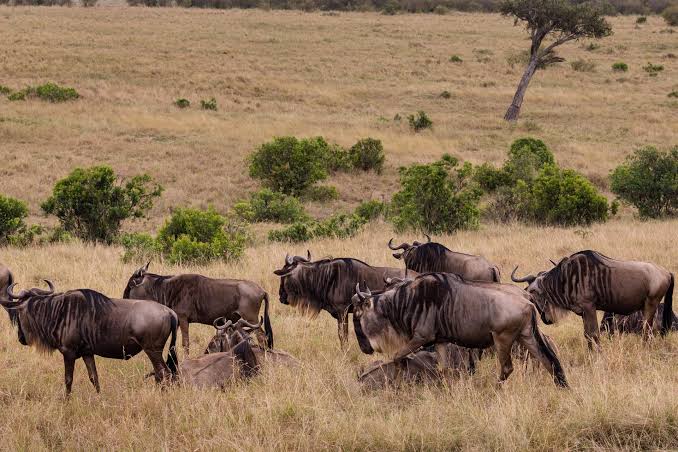
Wildlife Viewing in July
July is excellent for observing:
- Lions
- Leopards
- Cheetahs
- Elephants
- Giraffes
- Buffalo
- Hippos
- Crocodiles
Birdlife also remains impressive, with numerous resident species visible throughout the ecosystem.
Best Areas to Visit in July
To maximize migration sightings during July 2026, we recommend focusing on:
- Western Serengeti
- Grumeti region
- Central Serengeti
- Northern Serengeti
Many travelers choose a safari itinerary that combines Central and Northern Serengeti to follow the movement of the herds.
The Great Migration in August 2026
Expected Location: Northern Serengeti and Mara River
August is traditionally regarded as the peak season for witnessing the world-famous Mara River crossings.
By August 2026, large concentrations of wildebeest are expected to be gathered in the northern Serengeti near the Mara River.
This is when some of the most iconic migration images are captured.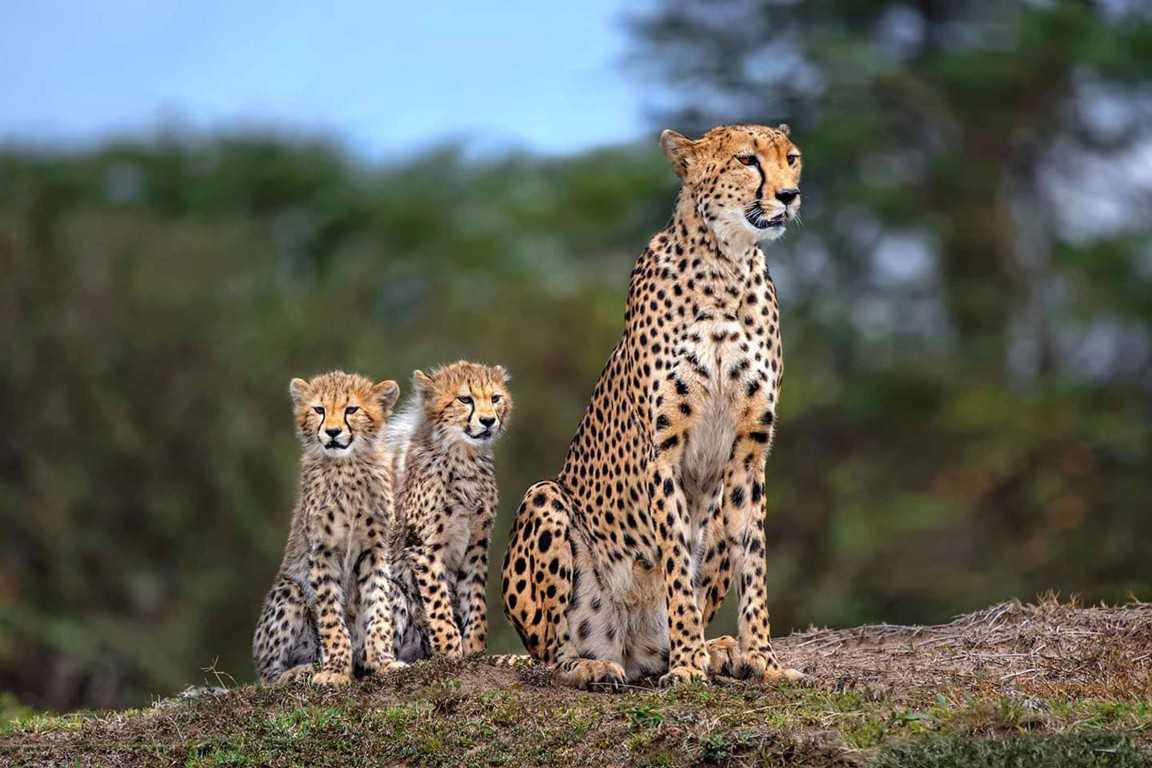
The Mara River Crossings
The Mara River is the migration's greatest obstacle.
The river presents numerous dangers:
- Strong currents
- Steep riverbanks
- Crocodile attacks
- Congestion among thousands of animals
Yet the herds must cross to reach fresh grazing areas.
A crossing can happen suddenly. Animals may wait for hours or even days before one individual takes the first leap, triggering thousands to follow.
For safari guests, witnessing a Mara River crossing is often the highlight of a lifetime.
Why August Is So Popular
August offers:
- Peak migration activity
- High chances of river crossings
- Excellent wildlife densities
- Clear skies
- Comfortable weather
- Outstanding photography conditions
These factors make August one of the most sought-after safari months in East Africa.
Wildlife Beyond the Migration
While the migration receives most attention, Northern Serengeti also offers exceptional resident wildlife.
Visitors frequently encounter:
- Lion prides
- Leopards
- Spotted hyenas
- Elephants
- Buffalo
- Topi
- Eland
- Crocodiles
- Hippos
The combination of resident wildlife and migration herds creates an extraordinary safari experience.
Best Areas to Visit in August
For August 2026, we recommend:
- Kogatende
- Lamai
- Northern Serengeti
- Mara River region
These locations offer the highest probability of witnessing dramatic migration activity.
Which Month Is Best?
Many travelers ask us which month is best for the Great Migration.
The answer depends on your interests.
Choose June If You Want:
- Fewer crowds
- Green landscapes
- Active migration movement
- Excellent predator sightings
- Better availability at camps
Choose July If You Want:
- Peak safari conditions
- Grumeti River crossings
- Large herd concentrations
- Outstanding wildlife viewing
Choose August If You Want:
- Mara River crossings
- Iconic migration scenes
- Peak migration season
- Maximum herd concentrations in the north
Each month offers unique experiences and unforgettable wildlife encounters.
Tips for Planning a Great Migration Safari in 2026
Book Early
Migration safaris are among Africa's most popular wildlife experiences.
Many top camps and lodges fill months in advance, particularly for July and August departures.
Stay Flexible
The migration follows rainfall patterns, not calendars.
A flexible itinerary can significantly increase your chances of seeing the herds in their most active locations.
Spend More Time in the Serengeti
We recommend spending at least three to four nights in migration areas.
Longer stays increase opportunities to witness river crossings and other major wildlife events.
Travel with Experienced Guides
Knowledgeable guides understand migration patterns and communicate with other guides throughout the park, helping locate active herds and crossing points.
At Tanzania Safari Source, our guides monitor migration movements continuously to maximize wildlife viewing opportunities for our guests.
Why the Serengeti Remains the Best Place to Experience the Great Migration
Although parts of the migration eventually enter Kenya's Maasai Mara, approximately 80 percent of the migration cycle takes place in Tanzania.
The Serengeti offers:
- Vast protected landscapes
- Exceptional biodiversity
- Fewer vehicle concentrations in many regions
- Multiple migration viewing zones
- World class safari lodges and camps
Whether you visit in June, July, or August 2026, the Serengeti provides extraordinary opportunities to witness one of nature's greatest spectacles.
Final Thoughts
The Great Migration in June, July, and August 2026 promises to deliver some of the most remarkable wildlife experiences on the planet.
June is expected to showcase the migration's movement through Central Serengeti and the Western Corridor. July should bring exciting Grumeti River crossings and continued northward movement. August is likely to feature the famous Mara River crossings in Northern Serengeti, attracting wildlife enthusiasts from around the world.
No matter which month you choose, the Great Migration offers unforgettable encounters with wildebeest, zebras, predators, and the raw forces of nature that shape the Serengeti ecosystem.
At Tanzania Safari Source, we help travelers plan expertly guided migration safaris designed around the expected movements of the herds, ensuring the best possible opportunities to experience this extraordinary natural phenomenon firsthand.Our Package for you
4 Day Migration Safari
6 Day Private Migration Safari
5 Day Migration Safari
4 Day Ultimate Great Migration Safari
12 Day Luxury Safari
Contact Us for the Best Choice of Your Safari