
Why February Is a Special Time in the Serengeti
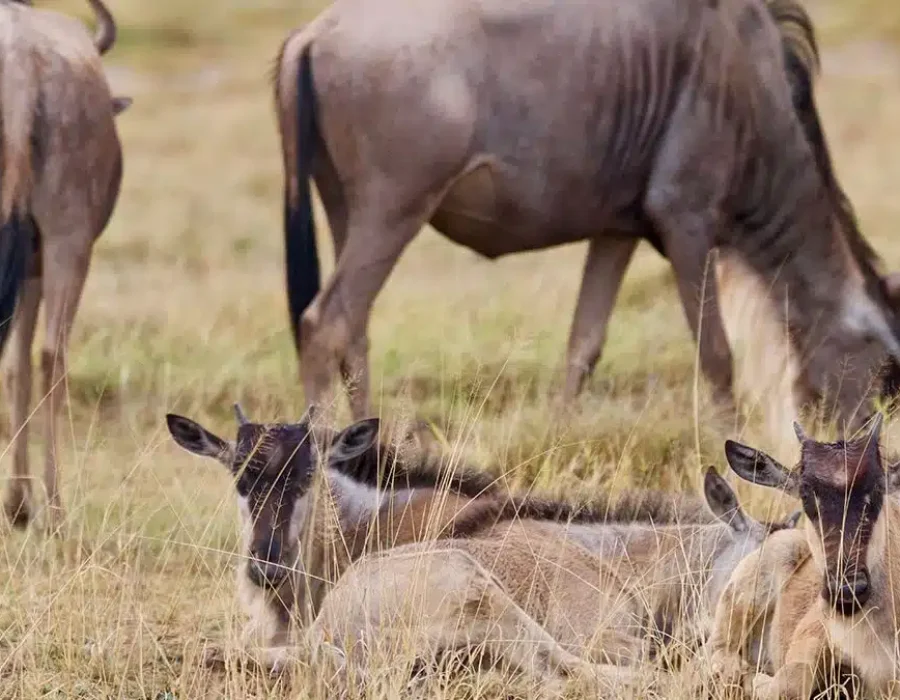
February is one of the best months to experience Serengeti National Park for wildlife viewing because it’s the peak of the wildebeest calving season. Hundreds of thousands of wildebeests give birth across the southern plains, especially around the Ndutu Region near the Ngorongoro Conservation Area.
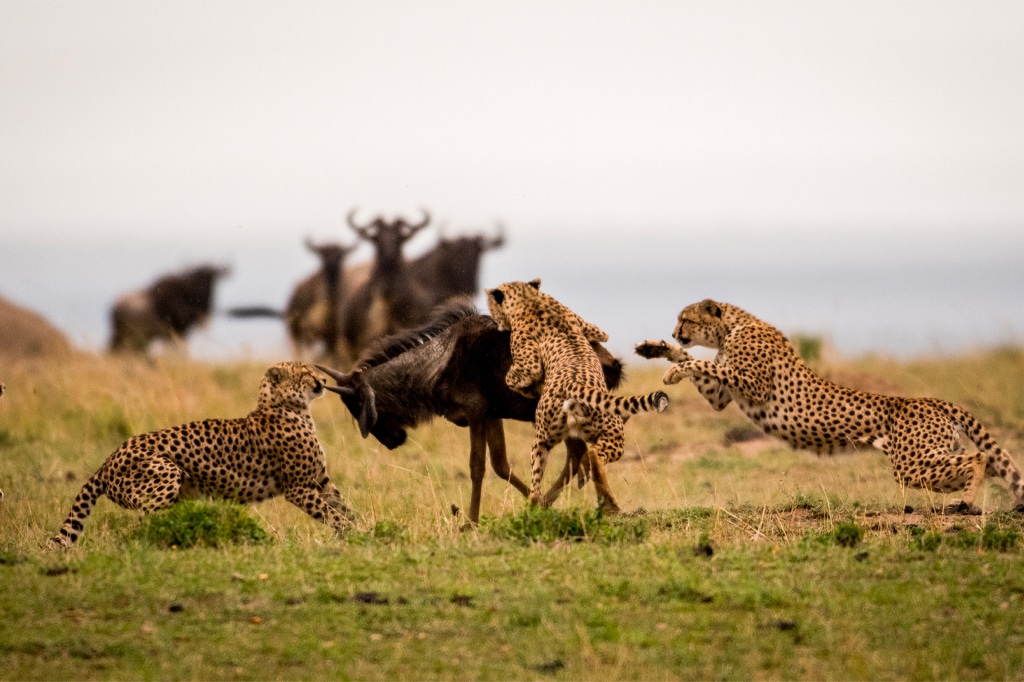
This natural event attracts huge numbers of predators lions, cheetahs, hyenas, and more because of the abundance of newborn animals. That means dramatic predator prey action and unforgettable wildlife viewing for safari visitors.
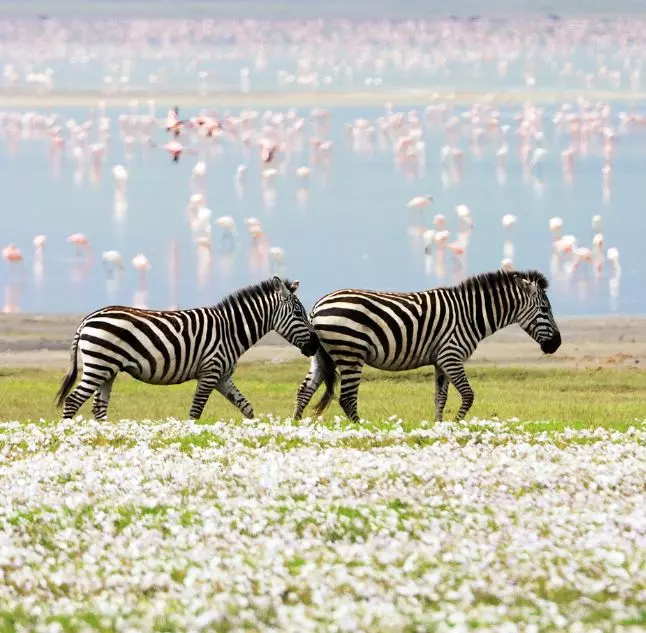
Birdlife is also excellent this month, with many migratory species joining the resident birds, making it a fantastic time for birdwatching as well.
Weather in February
Here’s what the climate is usually like in Serengeti in February:
Temperatures
-
Daytime: Around 25 – 30 °C (77 – 86 °F) warm and ideal for game drives.
-
Nights: Cooler at about 15 – 18 °C (59 – 64 °F).
Rainfall
February is part of Tanzania’s “green season,” with occasional short rain showers, usually in the afternoon or evening.
The rain keeps the grasslands lush and green, creating beautiful landscapes and excellent photography conditions.
Even with some rainfall, most days are clear, warm, and enjoyable for safari activities.
What Wildlife You Can Expect to See
February is one of the most exciting months for wildlife because:
-
Wildebeest calving season is at its peak thousands of babies are born daily.
-
Large herds of zebras, gazelles, and other grazers are abundant across the plains.
-
Predators such as lions, cheetahs, leopards, and hyenas are highly active due to the presence of newborn animals.
-
Birdwatchers can enjoy a rich mix of seasonal and resident bird species.
This combination makes February especially rewarding for photography and intense wildlife encounters.
Where to Stay During Your February Safari
Because February’s wildlife activity is concentrated in the southern Serengeti and Ndutu area, many visitors choose accommodation in this region.
Premium & Luxury Camps/Lodges
Seasonal tented camps position guests close to the calving areas, offering exceptional wildlife viewing opportunities.
Upscale lodges provide comfortable tents or suites with en suite bathrooms, dining experiences, and guided safaris ideal for travelers seeking comfort near the action.
Midrange & Comfortable Options
Lodges and camps around Ndutu and the southern Serengeti plains offer excellent wildlife access and often include game drives as part of the stay.
Mobile Camps
Mobile tented camps relocate seasonally to remain close to wildlife concentrations, providing an immersive safari experience.
Notes on Location
Staying in or near the Ndutu area is highly recommended in February because that’s where calving activity is most concentrated.
Some travelers also add a night or two at the Ngorongoro Crater for diverse scenery and additional wildlife viewing.
Tips for Visiting in February
-
Book early: February is popular for the calving season, and the best camps fill quickly especially in Ndutu.
-
Pack layers: Mornings and evenings can be cool despite warm daytime temperatures.
-
Bring rain protection: A light rain jacket and camera cover are useful for afternoon showers.
-
Photography: The green landscapes, newborn animals, and active predators make this one of the best months for wildlife photography.
In Summary
February in Serengeti National Park is one of the most rewarding months for a safari. With warm temperatures, occasional refreshing rains, lush scenery, and peak calving season, visitors enjoy remarkable wildlife viewing and a wide range of accommodation options from luxury camps to comfortable lodges near the action.
If you’re planning a safari, February offers unforgettable wildlife moments and dramatic natural scenes across the Serengeti plains.
Our package for you
Contact Us for the Best Choice of Your Safari