
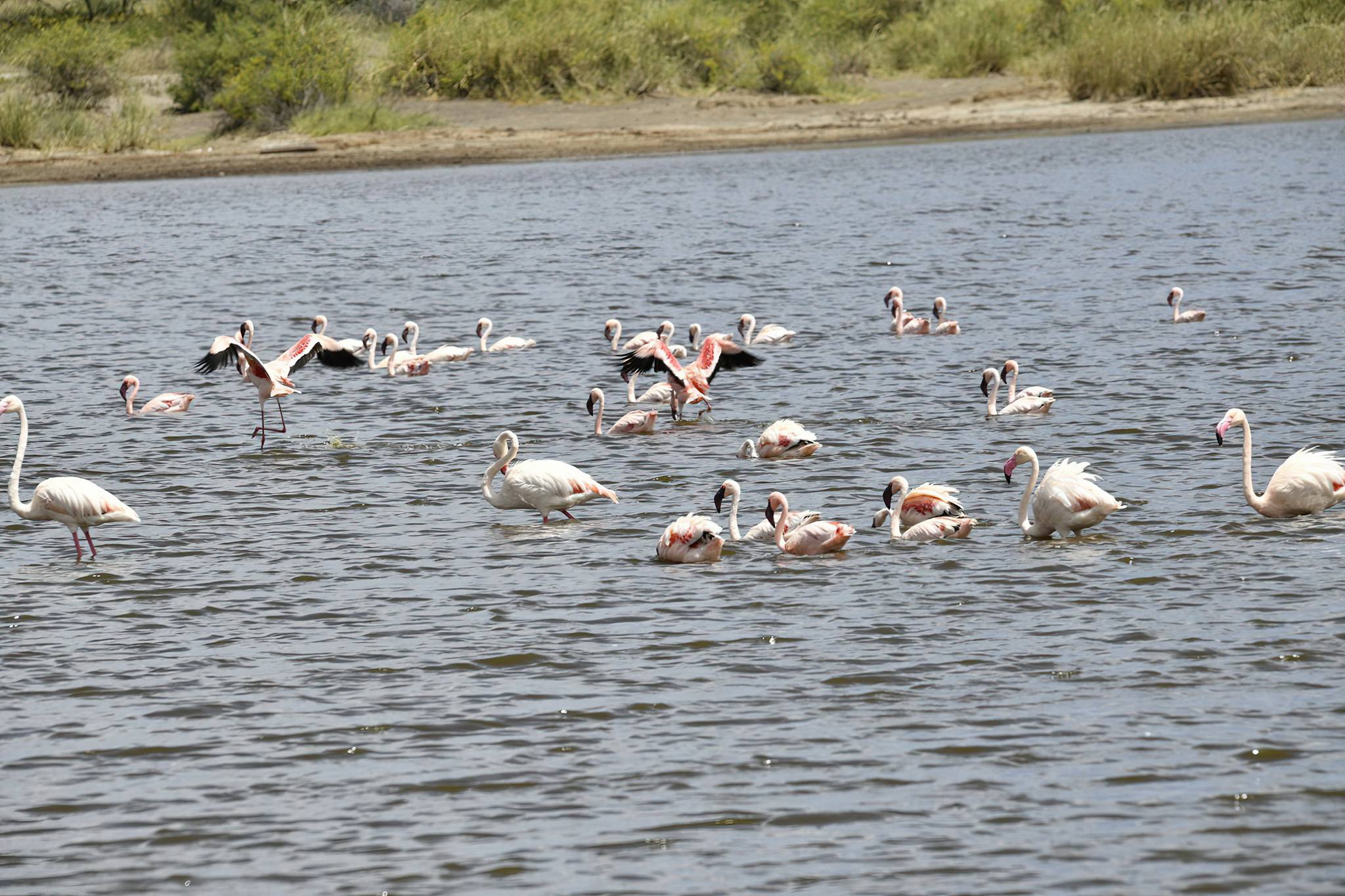
Why February Is One of the Best Months for a Tanzania Safari
When travelers begin planning an African adventure, they often focus on peak-season months like June through October. Yet February quietly stands out as one of the most rewarding times to experience a safari in Tanzania. With lush landscapes, excellent wildlife viewing, fewer crowds, and beautiful photography conditions, this month offers a unique balance of comfort and adventure.
If you’re looking for rich scenery, dramatic skies, and intimate wildlife encounters, February may just be the perfect time for your safari.
1. Lush, Green Landscapes After the Rains
February falls within Tanzania’s “green season,” when earlier short rains have refreshed the landscape. The result is vibrant grasslands, flourishing trees, and seasonal water sources that transform the scenery.
In parks like Serengeti National Park and Tarangire National Park, the plains glow in shades of green, dotted with acacia trees and dramatic cloud formations. Unlike the dusty dryn season months, February offers a softer, more colorful safari atmosphere that feels alive and cinematic.
2. Excellent Wildlife Viewing
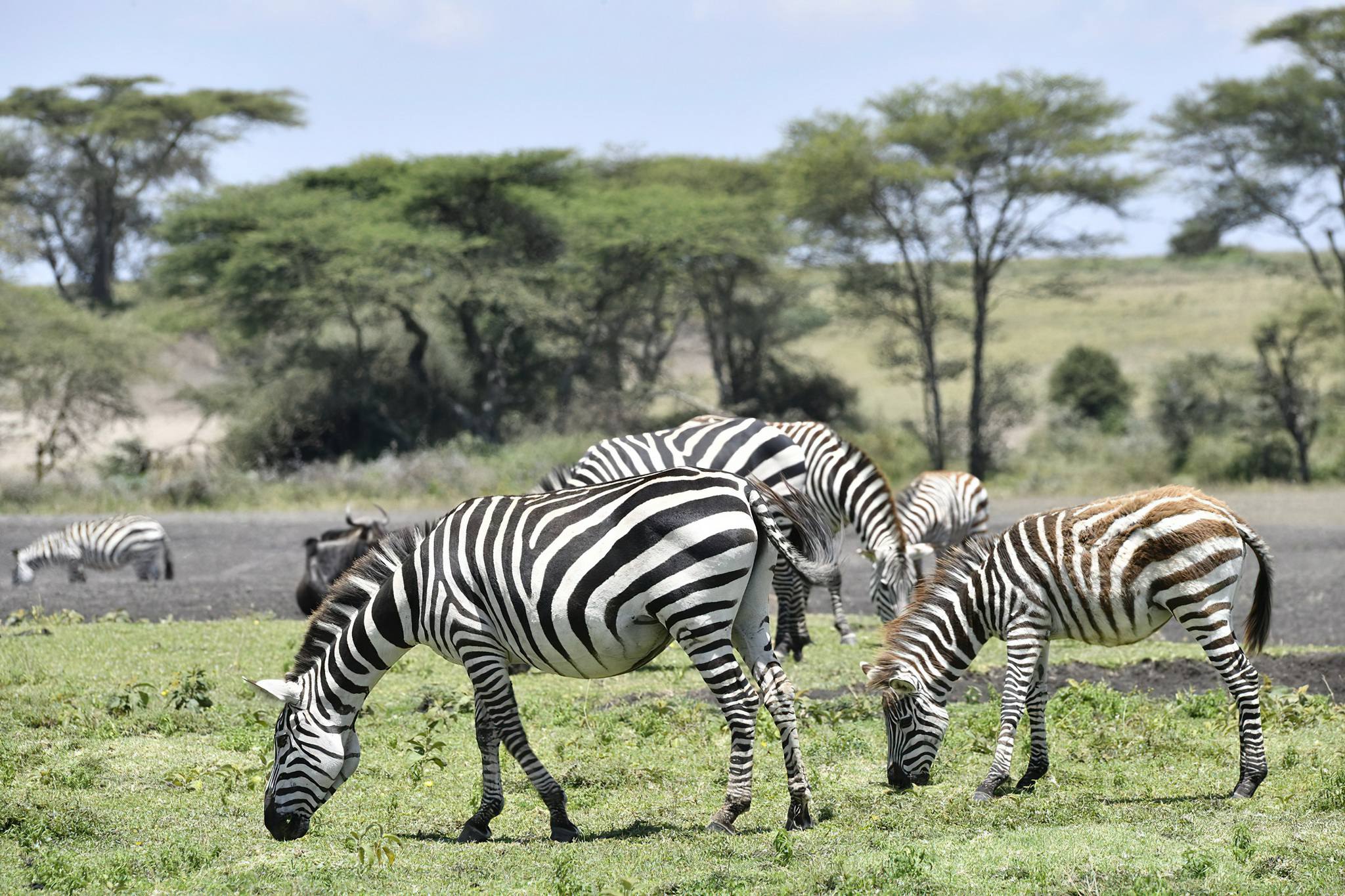
Wildlife viewing remains strong in February across Tanzania’s northern circuit. Animals are active, well fed, and widely distributed across the parks.
Inside the breathtaking Ngorongoro Crater, wildlife sightings are reliable year round thanks to its enclosed ecosystem. Lions, elephants, buffalo, zebras, and rhinos can often be seen within a relatively compact area, creating rewarding game drives.
Meanwhile, Lake Manyara National Park offers diverse habitats, from groundwater forests to open plains, where visitors may encounter tree-climbing lions, large baboon troops, and abundant birdlife.
3. Fewer Crowds, More Exclusive Experiences
February falls outside the busiest travel period, which means safari camps and lodges are typically less crowded.
This creates:
-
More space at wildlife sightings
-
A quieter, more relaxed safari atmosphere
-
Personalized attention at lodges and camps
In safari hubs such as Arusha, logistics tend to be smoother and less rushed compared to peak months. For couples, families, or photographers, this added privacy makes the experience feel more intimate and immersive.
4. Ideal Weather Conditions
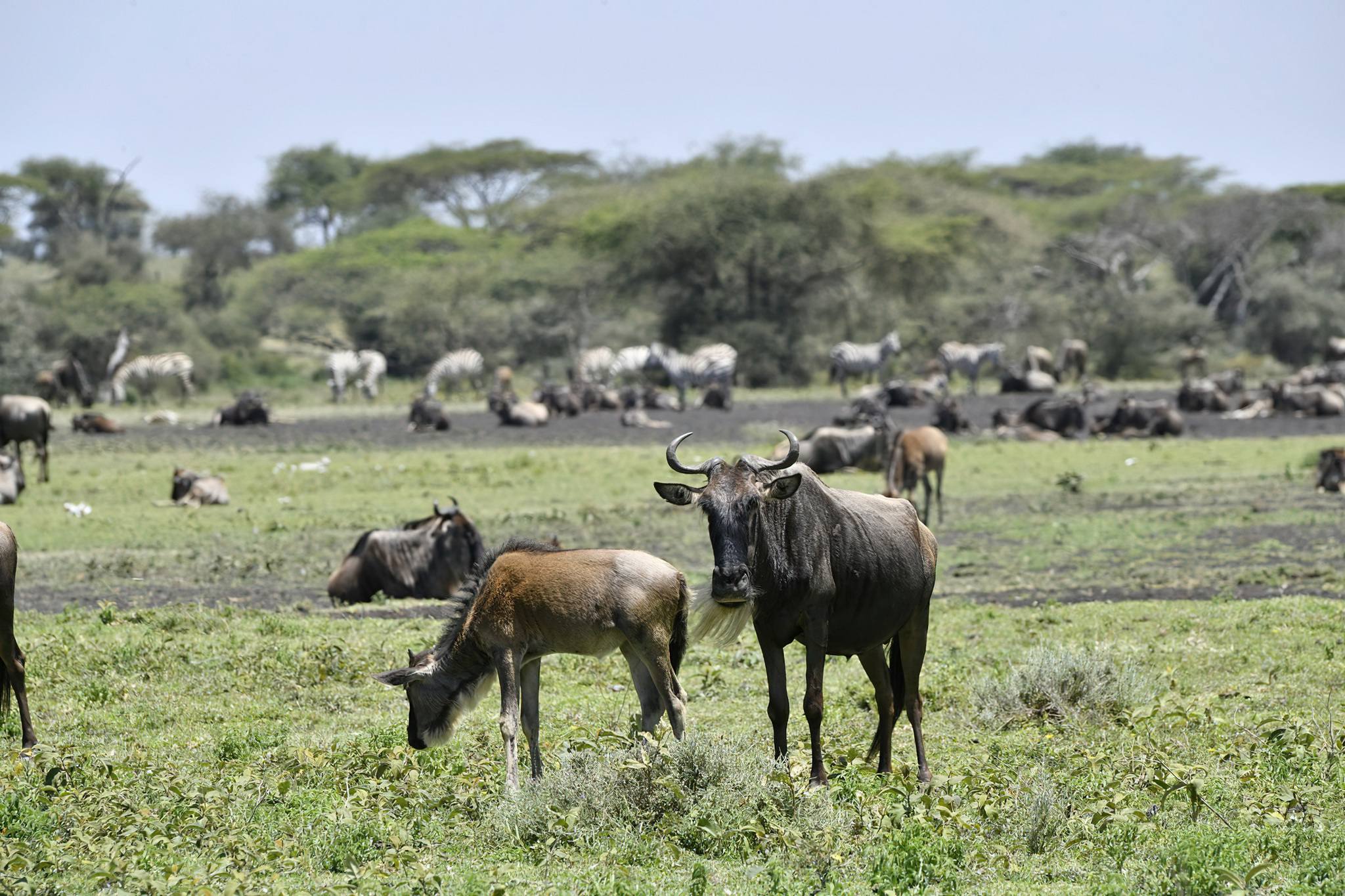
February sits between the short and long rainy seasons, often bringing warm days, cooler evenings, and occasional brief showers.
Rainfall is usually light and scattered rather than prolonged, allowing most safari activities to proceed comfortably. Early mornings and late afternoons prime wildlife viewing times are typically pleasant, with fresh air and dramatic skies that enhance the overall experience.
Final Thoughts
February may not always receive as much attention as traditional high-season months, but it delivers exceptional value in experience. With lush landscapes, strong wildlife viewing, fewer visitors, and comfortable weather, it stands out as one of the most rewarding times for a Tanzania safari.
For travelers seeking a greener, quieter, and beautifully scenic adventure, February offers an unforgettable journey into the wild.
Our package for you
6 Day Balloon Serengeti Safari
Contact Us for the Best Choice of Your Safari