
Conquer Mount Kilimanjaro: The Roof of Africa Awaits
1. The Call of the Mountain A Dream Like No Other
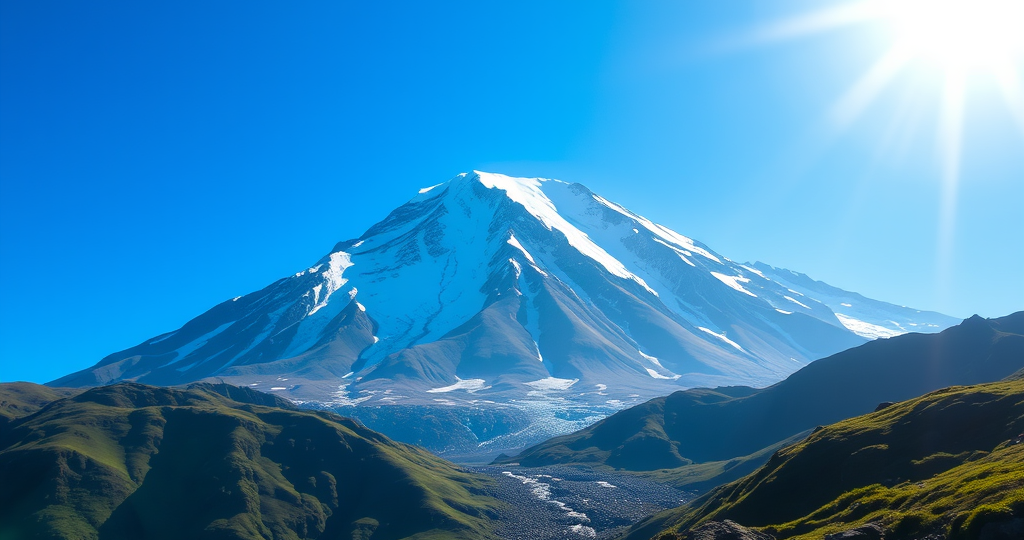
Mount Kilimanjaro rises majestically from the vast plains of Tanzania, an awe-inspiring giant towering at 5,895 meters (19,341 feet) above sea level. It is the highest free-standing mountain in the world and the tallest peak on the African continent, crowned with eternal snow despite lying just south of the equator. To see Kilimanjaro for the first time is to encounter something deeply stirring, a silent but powerful call that awakens the spirit and challenges the soul. Whether glimpsed from the window of a plane descending into Kilimanjaro International Airport, from the rolling hills of the surrounding highlands, or even on safari drives through the Serengeti plains, its icy summit cuts sharply against the sky a beacon of hope, resilience, and adventure.
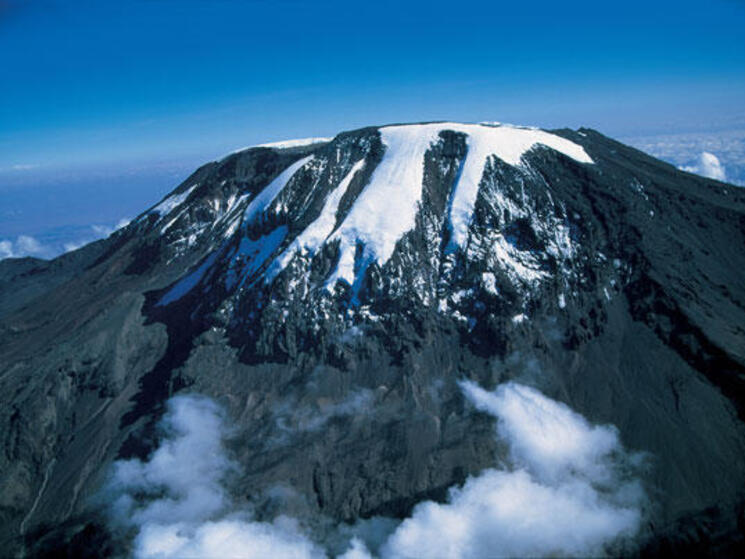
For thousands of adventurers from every corner of the globe, Kilimanjaro represents more than a mountain. It is a dream, a personal challenge, and a transformative journey. Standing on its summit, known as Uhuru Peak, means standing on the Roof of Africa a place few have touched but many have longed to reach. The journey is not for the faint of heart; it requires patience, physical endurance, and a mental strength to keep pushing forward when the air thins and the body aches. Yet, every year, climbers young and old, experienced and new, heed the mountain’s call to embark on a trek that promises profound growth and unforgettable memories.
What makes Kilimanjaro truly unique is its accessibility to non-technical climbers. Unlike other mountains that demand technical skills like rock climbing or ice climbing, Kilimanjaro’s ascent is a challenging hike a test of stamina, acclimatization, and determination. You do not need ropes or specialized gear, but you do need to respect the mountain, prepare thoroughly, and listen to your body. Every step you take across its varying landscapes from dense tropical rainforests to barren alpine deserts draws you deeper into a story of nature’s beauty and human resilience.
At Tanzania Safari Source Tours, we see each climb as a personal journey, an opportunity to connect with the wild heart of Africa and discover strength you never knew you had. We guide you not just to the summit but through every moment that makes this adventure life-changing.
2. The Legend and Majesty of Kilimanjaro
Kilimanjaro’s presence looms large not only on maps but also in the history and culture of the region. The mountain holds deep spiritual significance for the indigenous Chagga people who live on its fertile lower slopes. For centuries, the Chagga have revered Kilimanjaro as a sacred home of gods and ancestral spirits, guarding its glaciers and natural wonders with stories that weave respect, awe, and mystery. These legends speak of a great treasure hidden among the mountain’s snowfields, protected by supernatural forces that test the hearts of those who dare to climb.
The mountain first entered Western awareness in the 19th century, when German missionary Johannes Rebmann reported sighting snow on its summit in 1848. His claim was met with skepticism snow near the equator seemed impossible to many. Over time, explorers and scientists confirmed the mountain’s extraordinary features, sparking fascination and admiration worldwide. Writers such as Ernest Hemingway immortalized Kilimanjaro in literature, depicting its wild beauty and symbolic power in works like "The Snows of Kilimanjaro."
Today, Kilimanjaro is recognized as a UNESCO World Heritage Site, a symbol of Tanzania’s natural wealth and cultural heritage. It embodies resilience, endurance, and the breathtaking grandeur of the African continent. Climbing Kilimanjaro means walking in the footsteps of explorers, dreamers, and countless local communities who honor this mountain as a sacred gift.
3. The Journey Through Kilimanjaro’s Ecological Realms
One of the most incredible aspects of Kilimanjaro is the variety of ecosystems it encompasses in a single climb, making the trek a journey through different worlds. Each ecological zone tells a unique story of survival, adaptation, and beauty.
Your ascent begins in the montane rainforest, a lush, verdant world where towering trees draped in moss create a cathedral of green. The air here is cool and thick with moisture, alive with the calls of exotic birds and the chatter of blue monkeys leaping between branches. Ferns, orchids, and giant groundsel plants crowd the understory as you traverse soft, muddy trails beneath a canopy that filters sunlight into golden beams.
As you climb higher, the rainforest thins and gives way to the heath and moorland zone, an alien landscape that looks like a scene from another planet. Here, giant lobelia plants, some reaching several meters tall, stand as sentinels among rolling hills and wildflower patches. The air grows thinner, drier, and cooler, and the sky opens wide, revealing breathtaking views of the plains below.
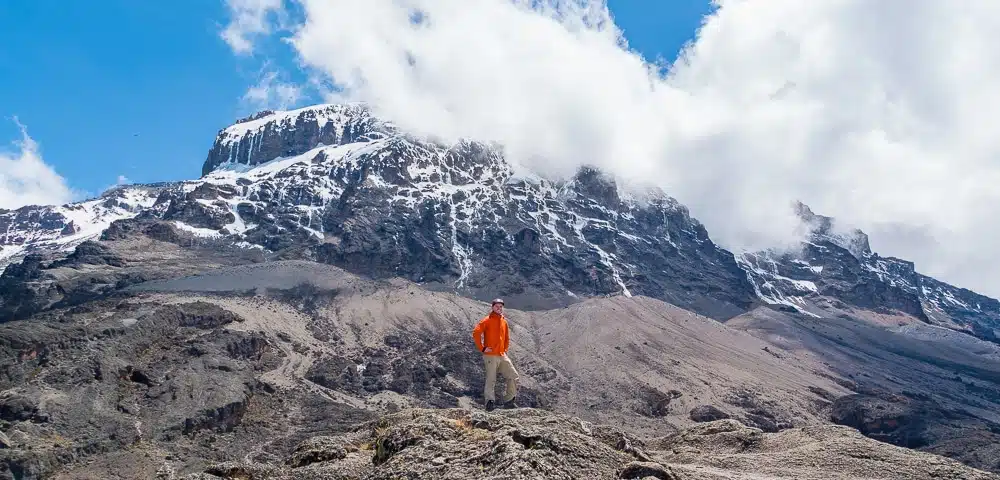
Continuing upward, you enter the alpine desert, a stark and fragile environment where the landscape is dominated by jagged rocks, volcanic ash, and hardy shrubs that cling to survival. Temperatures fluctuate wildly scorching by day and freezing by night and the thin air reminds you that you are nearing the limits of human endurance.
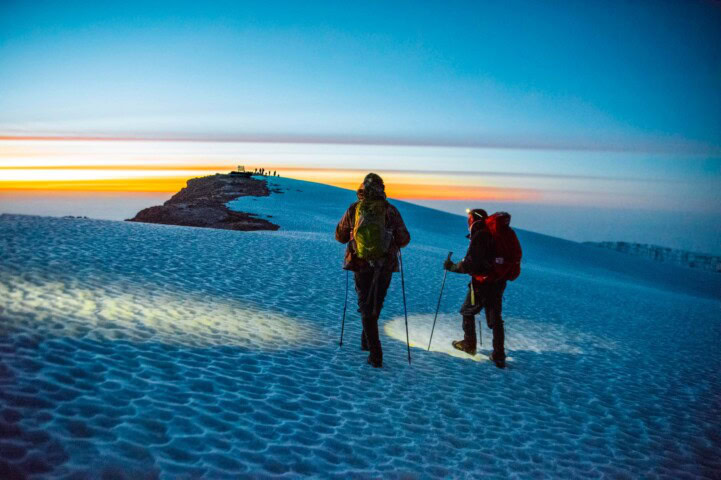
Finally, the summit zone greets you with a harsh, arctic world of glaciers, snowfields, and icy winds. It’s a place where the air is so thin that every breath is precious and every step feels like a monumental effort. Yet, despite its severity, this zone is breathtakingly beautiful, especially at dawn when the sun rises over a sea of clouds, casting golden light on the rocky crater rim.
This incredible diversity from tropical jungle to frozen peak makes Kilimanjaro a journey like no other on Earth, a trek that challenges the body and delights the senses.
4. The Climb Embracing the Challenge Step by Step
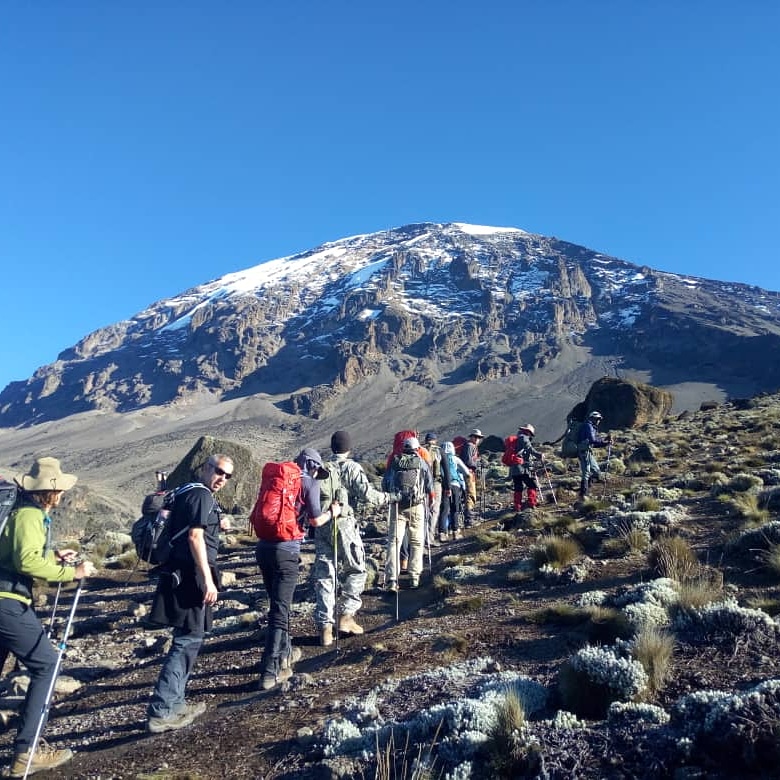
Embarking on a Kilimanjaro climb requires more than physical strength it demands preparation, patience, and mental fortitude. Several routes lead to the summit, each offering distinct experiences tailored to different preferences and abilities.
The Machame Route, often called the “Whiskey Route,” is one of the most popular and scenic options. It offers a challenging yet rewarding ascent through diverse habitats and dramatic vistas. The Lemosho Route is longer and less crowded, famed for its beauty and excellent acclimatization opportunities. The Marangu Route or “Coca-Cola Route” is the only path with hut accommodations, providing more comfort but often a faster pace. The Rongai Route offers a quieter, drier ascent from the north, while the Northern Circuit Route is the longest and most gradual, maximizing your chances of success. For the experienced and bold, the Umbwe Route is the steepest and most direct, demanding excellent fitness and determination.
A typical climb lasts between six and nine days. Each day follows a rhythm of waking early, enjoying warm drinks, trekking through varying terrain, and settling into camp with the support of your guides and porters. The mantra “pole pole,” meaning “slowly slowly” in Swahili, is central to success encouraging climbers to pace themselves and allow their bodies to adjust to altitude.
Summit night is the ultimate test. Departing around midnight, climbers move in single file beneath a canopy of stars, headlamps piercing the darkness. The air is thin, the temperature plummets, and every step requires immense effort. Yet, the reward awaits: the first light of dawn breaking over the crater rim at Stella Point, then the final steps to Uhuru Peak, where you stand atop Africa’s highest point. The breathtaking panorama, the glacier-capped peaks, and the vast expanse below make every hardship worthwhile.
5. Preparing for Kilimanjaro Training, Gear, and Best Practices
Success on Kilimanjaro starts long before you reach Tanzania. Proper preparation and realistic training can mean the difference between conquering the mountain or having to turn back.
Training: Building cardiovascular endurance and leg strength is essential. Hiking, jogging, stair climbing, and strength training will prepare your muscles and lungs for the physical demands. Many climbers train for 8 to 12 weeks before the trip, incorporating long hikes with loaded backpacks when possible. Remember, endurance and mental toughness are just as important as raw strength.
Gear: Quality gear keeps you comfortable and safe. Layered clothing is vital to adapt to temperature changes, including moisture-wicking base layers, insulating mid-layers, and waterproof outer shells. Warm gloves, hats, and sturdy hiking boots with good ankle support are non-negotiable. Don’t forget a reliable backpack, sleeping bag rated for cold temperatures, trekking poles, and a headlamp for summit night. Our team at Tanzania Safari Source Tours helps ensure you have everything you need.
Altitude Sickness: One of the biggest challenges is altitude sickness, caused by lower oxygen levels at high elevations. Symptoms range from headaches and nausea to more serious conditions. To reduce risk, climb slowly (“pole pole”), stay hydrated, avoid alcohol, and listen to your body. Our experienced guides monitor all climbers carefully and are trained in emergency procedures.
Best Months to Climb: Kilimanjaro is climbable year-round, but the best times are during the dry seasons: January to mid-March and June to October. These months offer more stable weather, clearer skies, and safer trails.
6. Your Journey With Tanzania Safari Source Tours — More Than a Climb
At Tanzania Safari Source Tours, we understand that climbing Kilimanjaro is not just about reaching the summit; it’s about every moment along the way. Our experienced guides are passionate about sharing the mountain’s beauty and stories, ensuring your safety, comfort, and success. Our support teams, including porters and cooks, are treated with respect and fairness, forming the backbone of your journey.
We tailor itineraries to your fitness level, budget, and interests, selecting routes that maximize acclimatization and enjoyment. We provide high-quality camping equipment, nutritious meals, and personalized care that transform a tough climb into an unforgettable adventure.
Beyond Kilimanjaro, Tanzania offers a world of wonders. Combine your climb with safaris through the Serengeti’s endless plains, encounters with the majestic wildlife of Ngorongoro Crater, or relaxing days on the white sands of Zanzibar’s beaches. Your adventure with us is a gateway to the very best of East Africa.
Mount Kilimanjaro is calling will you answer? Let Tanzania Safari Source Tours guide you to the Roof of Africa and beyond.
Contact Us for the Best Choice of Your Safari