
Tanzania Safari: Where to See the Big Five and Other Amazing Wildlife
Tanzania’s Northern Safari Circuit is not just a destination; it is a doorway into the raw and breathtaking heart of Africa. Here, the rhythms of nature pulse strong, and every moment carries the possibility of witnessing awe-inspiring wildlife drama unfold before your eyes. This region offers some of the richest and most accessible habitats for Africa’s most iconic animals, the Big Five and countless other creatures that make each safari unique and unforgettable.
Imagine waking up in the early dawn with the crisp air carrying the distant roar of lions. Imagine the golden light filtering through towering acacia trees, casting long shadows over herds of wildebeest and zebra grazing calmly. This is the magic of the Northern Circuit where adventure, tranquility, and wild beauty meet.
Let’s dive deeper into the legendary Big Five, the incredible parks where you can find them, and the unforgettable experiences that await you on a Tanzanian safari.
The Big Five Tanzania’s Legendary Wildlife Icons

The Big Five lion, leopard, elephant, buffalo, and rhino are more than just animals. They are powerful symbols of Africa’s wilderness heritage, each carrying stories of survival, strength, and the delicate balance of life on the savannah. The term originated with big-game hunters, but today, it represents the pinnacle of wildlife viewing and conservation success.
Each species occupies a unique niche in Tanzania’s ecosystems, from the vast open plains of the Serengeti to the enclosed sanctuary of Ngorongoro Crater. Observing them in their natural habitats is a profound experience, connecting us to a world that’s both ancient and vibrant.
1. Lion The King of the Serengeti
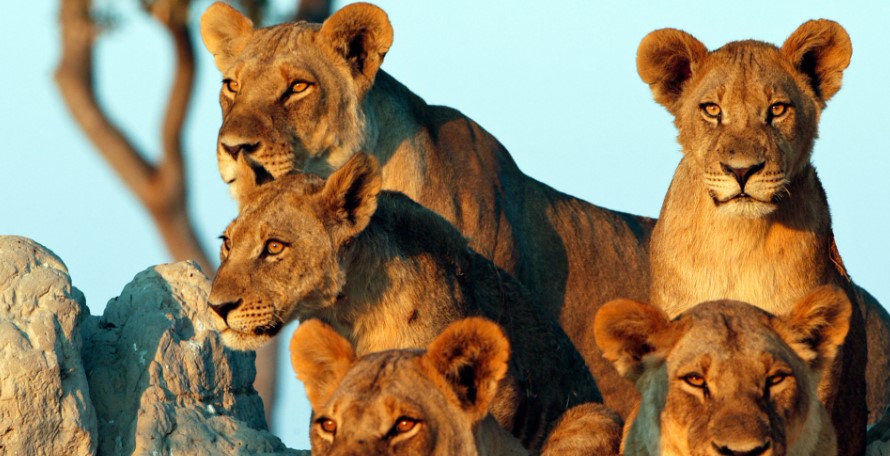
The lion, often called the “King of Beasts,” reigns supreme in Tanzania’s Northern Circuit. The sight of a majestic male lion, his mane fluttering in the savannah breeze, is a moment of primal wonder that stirs the soul. The Serengeti alone is home to thousands of lions, the largest concentration on the planet offering unmatched opportunities to observe their social dynamics.
Lions live in prides, complex family groups that include related females and their cubs, with a few dominant males. Watching a pride interact is like glimpsing an ancient community: mothers teaching cubs how to hunt, males patrolling the boundaries, and playful cubs tumbling over each other in innocent joy. These behaviors highlight a delicate balance of cooperation, competition, and survival.
The Ngorongoro Crater, with its rich food supply and natural enclosure, allows for intimate sightings, where lions may be seen lounging in the morning sun or engaging in hunts just meters from your vehicle.
In Tarangire, the occasional tree-climbing lion offers a rare and captivating spectacle of lions resting lazily on branches, a behavior mostly unique to this park.
Pro Tip: Early mornings and late afternoons are best for lion sightings when they are most active and the lighting is perfect for photography.
2. Leopard The Master of Stealth
Leopards are the elusive ghosts of the bush, solitary hunters who excel in camouflage and cunning. Their beautiful rosette-patterned coats blend seamlessly with the dappled light of forests and woodlands, making them exceptionally difficult to spot. Encountering a leopard is a rare privilege, a secret shared between the wild and the observer.
In the Serengeti’s Seronera Valley and northern reaches, leopards can often be seen draped over tree branches, where they rest during the heat of the day and stash their kills away from scavengers. Lake Manyara’s unique forested areas also harbor these elusive cats, occasionally even tree-climbing lions.
Leopards’ solitary nature means sightings often come after patient tracking and expert guidance. Their quiet grace and power make them one of the most captivating animals to observe on safari.
Pro Tip: Be prepared for early morning or dusk game drives, as these are the times leopards are most active hunting.
3. Elephant The Gentle Giants
Few creatures inspire as much awe and affection as the African elephant. These gentle giants carry centuries of knowledge in their massive frames a matriarch leading her family through the bush, young calves learning to use their trunks to play and explore, and elephants communicating with low rumbles that humans can barely perceive.
Tarangire National Park is renowned for hosting some of the largest elephant herds in Africa, especially during the dry season when the Tarangire River becomes a critical water source. Here, you can witness spectacular family dynamics: protective mothers shielding calves, playful juveniles sparring, and elders guiding the herd.
Ngorongoro Crater offers a contrasting experience, with smaller herds navigating the crater’s lush floor amid forests and wetlands. Meanwhile, elephants scattered throughout the Serengeti offer frequent sightings against the endless golden plains.
Pro Tip: Visit during the dry season (June–October) for the best elephant concentrations in Tarangire.
4. Buffalo The Unpredictable Powerhouse

African buffalo are the unsung titans of the savannah. Their rugged appearance, thick horns, and sheer strength make them a formidable presence. These animals move in large herds, sometimes numbering in the hundreds, providing both protection and social structure.
The herds in Ngorongoro Crater are especially dense, making it one of the easiest places to observe them in close quarters. In the Serengeti and Tarangire, buffalo herds follow the rains and water sources, often moving in impressive, slow-moving columns.
Buffalo have a complex social hierarchy and are known for their unpredictable temper, an important reminder that despite their bulk, they are wild and powerful creatures deserving respect.
Pro Tip: Keep a safe distance and observe their interactions quietly to avoid disturbance.
5. Rhino The Rarest of the Five
Rhinos are the most endangered members of the Big Five, and spotting one in Tanzania is a special, almost sacred moment. The black rhino, in particular, with its hooked lip and solitary nature, survives against tremendous odds thanks to intense conservation efforts.
Ngorongoro Crater is the best place in Tanzania to see black rhinos, where their population is carefully monitored and protected by rangers. Though shy and generally avoiding human contact, rhino sightings here are more common than in other Tanzanian parks.
Seeing a rhino in the wild is to witness a survivor, a creature that represents the ongoing struggle to protect Africa’s wildlife from poaching and habitat loss.
Pro Tip: Ask your guide about the rhino conservation programs; understanding their story adds depth to the experience.
Beyond the Big Five Other Amazing Wildlife You’ll Encounter
While the Big Five capture much attention, Tanzania’s Northern Circuit is a treasure trove of diverse species. From the fleet-footed cheetah dashing across the plains to the colorful flamingos painting Lake Manyara’s shores in pink, the wildlife here is endlessly fascinating.
The Serengeti is a sanctuary for cheetahs, the world’s fastest land mammals. Their slender frames and incredible speed offer a thrilling sight during hunts, especially in the cooler morning hours. Giraffes, Tanzania’s national animal, roam gracefully, their elegant silhouettes an iconic part of the landscape.
Hippos and crocodiles share riverine habitats, each a reminder of nature’s balance, the hippos’ loud grunts contrasting with the crocodiles’ silent ambush. Hyenas and jackals, often misunderstood, play vital roles in the ecosystem by scavenging and controlling populations.
Bird enthusiasts will find paradise here, with over 500 species recorded, including rare and migratory birds. From the vibrant lilac-breasted roller to the impressive martial eagle, the birdlife adds another layer of wonder to the safari experience.
The Best Parks in Northern Tanzania for Wildlife Viewing
Serengeti National Park
The Serengeti is a vast, open canvas painted with the colors of life and movement. Famous worldwide for the Great Migration, the annual movement of millions of wildebeest, zebra, and gazelle, it is also a haven for year-round resident wildlife.
The Serengeti’s diverse landscapes, from open grasslands to riverine forests, support a remarkable array of animals. Predators including lions, leopards, and cheetahs stalk the plains, while elephants and buffalo move steadily in herds. The dry season draws animals to permanent water sources, making sightings more predictable and spectacular.
Each game drive in the Serengeti offers the possibility of witnessing a unique moment — a hunt, a birth, or the subtle interactions of pride. Its size and diversity ensure no two days are alike.
Ngorongoro Crater
Often called the “Garden of Eden,” Ngorongoro Crater is a natural amphitheater of unparalleled beauty and biodiversity. Its steep walls create a self-contained ecosystem that shelters an extraordinary variety of animals in close proximity.
Visitors can expect to see dense populations of the Big Five, with lions lounging near waterholes, buffalo herds grazing in the grasses, and rhinos quietly moving through the thickets. The crater is also home to rare species like the hyena, ostrich, and flamingos in the soda lakes.
The early morning mist that curls over the crater floor gives a mystical atmosphere to game drives, enhancing the sense of stepping into a world frozen in time.
Tarangire National Park
Tarangire is a unique park known for its majestic baobab trees and spectacular elephant herds. The dry season transforms it into a wildlife hotspot as animals migrate from the surrounding plains to the Tarangire River.
The park’s varied habitats including woodlands, savannah, and seasonal swamps support a rich variety of species. Besides elephants and buffalo, visitors often spot lions, giraffes, zebras, and many bird species.
Tarangire offers a more tranquil safari experience, less crowded than the Serengeti or Ngorongoro, allowing for quiet observation and beautiful photographic opportunities.
Lake Manyara National Park
Though smaller than other parks, Lake Manyara offers remarkable biodiversity in a compact setting. Its alkaline lake attracts vast flocks of flamingos, which, when present, create breathtaking pink vistas against the blue water.
The park is famous for its tree-climbing lions, an extraordinary behavior that fascinates visitors. Its mix of dense forests, open grasslands, and wetlands supports baboons, hippos, elephants, and over 400 bird species.
Lake Manyara is often a perfect introduction to Tanzania’s wildlife for first-time visitors, combining accessibility with varied wildlife encounters.
Tips for the Perfect Big Five Safari

Making the most of your safari means preparation and respect. Here are essential tips:
-
Hire a knowledgeable guide: Their expertise in animal behavior and tracking will greatly enhance your chances of sightings and deepen your understanding.
-
Visit during the dry season (June–October): Animals congregate near water, making wildlife easier to spot.
-
Be patient and observant: Some of the most memorable sightings happen quietly, often after waiting for the right moment.
-
Pack wisely: Binoculars, a quality camera with zoom, sun protection, and neutral clothing colors help you blend into the environment.
-
Respect wildlife: Keep a safe distance, never feed animals, and follow all park regulations.
The Emotional Side of Seeing the Big Five
A safari is not just a checklist, it's an emotional journey. The first glimpse of a lioness stalking prey, the gentle nuzzle of a baby elephant, the piercing gaze of a leopard these moments imprint on your heart.
Being in the presence of these creatures reminds us of the fragility and grandeur of life. It fosters a deep respect for nature and a desire to protect these wild places.
Many travelers return transformed, carrying with them stories that inspire friends and family, and a commitment to conservation.
Your Big Five Safari Awaits
Northern Tanzania is ready to welcome you. Whether it’s your first safari or your tenth, the Big Five and countless other creatures are waiting to share their world with you.
Let us help you plan a journey that goes beyond seeing animals a journey that immerses you in nature, culture, and unforgettable moments.
Contact Us for the Best Choice of Your Safari