
Eco-Friendly Safari: Sustainable Tourism in Tanzania’s Northern Circuit
Introduction The Call of the Wild, The Responsibility of the Traveler
Imagine stepping out of your tent at dawn in the heart of Tanzania’s Northern Circuit. The cool morning air is tinged with the scent of dew-kissed grass and wildflowers. Somewhere in the distance, a lion’s roar breaks the silence, a reminder that this land is alive with ancient rhythms. You sip your tea, not just savoring the moment, but aware of something greater: that your journey here is part of a fragile balance, a shared promise to protect this wilderness.
Traveling on an eco-friendly safari is no longer a luxury or a niche is a necessity. Tanzania’s Northern Circuit comprising iconic parks like Serengeti, Ngorongoro Crater, Tarangire, and Lake Manyara is a sanctuary for wildlife and culture alike, but one facing mounting pressures from climate change, habitat loss, and human impact.
Sustainable tourism invites you to experience the grandeur of Africa with respect and responsibility. It empowers you to walk lightly, support communities, and contribute actively to conservation. This isn’t just travel; it’s a conscious adventure that leaves a positive legacy.
1. The Northern Circuit: Tanzania’s Ecological Masterpiece

The Northern Circuit isn’t merely a collection of parks, it's a sprawling tapestry of ecosystems, each vital and vibrant in its own right. These wild spaces have endured for millennia, nurturing life forms and cultures that evolved together.
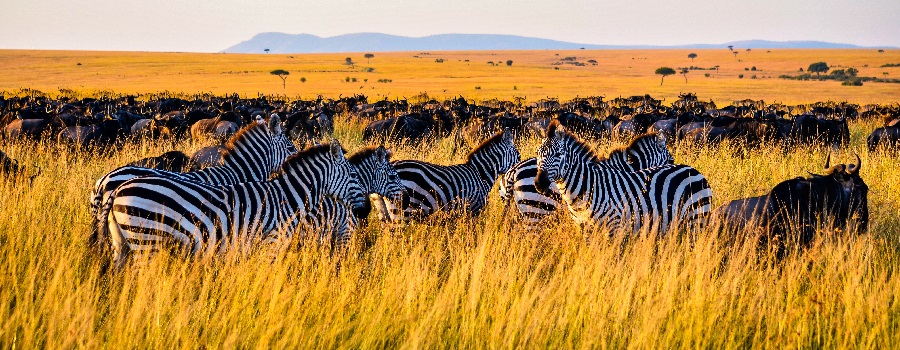
Serengeti National Park, a name synonymous with African safari, spans nearly 15,000 square kilometers of rolling plains, dotted kopjes, and acacia woodlands. It’s the stage for the Great Migration, an epic drama where over 1.5 million wildebeest, zebras, and gazelles journey in search of fresh pasture crossing crocodile-infested rivers and facing relentless predators. This spectacle is not only a breathtaking wildlife event but a cornerstone of ecosystem health.
Just south lies the Ngorongoro Crater, often called the "Eighth Wonder of the World." This colossal volcanic caldera forms a natural amphitheater teeming with abundant wildlife lions, elephants, buffalo, and the critically endangered black rhino thrive in its fertile confines. The crater’s unique geography creates a self-contained habitat that supports a remarkably dense concentration of animals.
Further east, Tarangire National Park offers a different but equally captivating scene. Renowned for its ancient baobab trees and large elephant herds, Tarangire's seasonal river sustains life through the dry months, drawing wildlife to its banks in spectacular gatherings.
And nearby, Lake Manyara National Park charms visitors with its kaleidoscope of flamingos, the rare phenomenon of tree-climbing lions, and verdant forests alive with birdsong.
Together, these parks represent the heart of Tanzania’s Northern Circuit, an ecological masterpiece demanding mindful exploration.
2. Sustainable Tourism: Principles that Protect and Empower
Sustainable tourism isn’t about sacrificing enjoyment; it’s about enhancing the quality and impact of travel. In Tanzania, this means honoring the land, its creatures, and its people through mindful practices:
-
Environmental Stewardship: Limiting your carbon footprint by supporting lodges that use solar energy, practicing water conservation, and reducing plastic waste. For example, many eco-lodges use solar panels to power lights and water heaters, decreasing reliance on fossil fuels.
-
Ethical Wildlife Viewing: Keeping a respectful distance, minimizing vehicle numbers around animals, and obeying park regulations ensures that animals are not stressed or displaced by tourism.
-
Community Inclusion: Hiring and training local Maasai, Hadzabe, or Datoga guides, buying crafts directly from artisans, and contributing to community development helps distribute tourism benefits equitably.
-
Cultural Respect: Engaging with local people with openness and humility fosters mutual understanding, preserves traditions, and combats cultural exploitation.
3. Eco-Friendly Accommodation: Where Comfort Meets Conservation

Choosing the right accommodation is pivotal in eco-tourism. Across the Northern Circuit, a growing number of camps and lodges demonstrate how luxury and sustainability can coexist:
-
Solar-Powered Lodges: Some Serengeti camps are powered almost entirely by solar energy, using advanced batteries and energy-efficient lighting. This reduces the harmful emissions associated with diesel generators, common in remote areas.
-
Rainwater Harvesting: Many properties collect and store rainwater for use in guest bathrooms and irrigation, lessening dependence on local water sources which are often scarce.
-
Plastic-Free Initiatives: By refusing single-use plastics offering refillable water stations and biodegradable toiletries these lodges help prevent pollution that can harm wildlife and soils.
-
Locally Sourced Cuisine: Eating dishes prepared from nearby farms reduces the carbon footprint and supports sustainable agriculture. You might savor freshly harvested vegetables, free-range eggs, or sustainably caught fish while knowing your meal contributes to local livelihoods.
Staying at such places not only guarantees a comfortable night’s rest but also means your tourism dollars fuel green innovation and protect Tanzania’s wild spaces.
4. The Crucial Role of Local Communities in Conservation and Tourism
No conservation success story in Tanzania can ignore the role of its indigenous peoples. The Maasai, who have roamed the plains for centuries, live in harmony with the environment herding cattle in traditional ways and guarding the land’s wildlife heritage.
Eco-friendly safari companies work hand-in-hand with communities by:
-
Employing local guides and staff, ensuring economic opportunities stay within the community. Your safari driver, for instance, is likely from a nearby village, intimately connected to the land and its stories.
-
Supporting education and health projects funded by tourism revenues, helping children stay in school and improving village wellbeing.
-
Facilitating fair trade by buying Maasai beadwork and crafts directly from artisans, creating sustainable incomes and preserving cultural heritage.
-
Encouraging cultural tourism experiences developed with consent, so visitors can learn about traditional dances, rites, and crafts respectfully.
This collaborative model transforms tourism from a one-way transaction into a shared journey that uplifts people and ecosystems together.
5. Reducing the Carbon Footprint of Your Safari
It’s true that safaris involve vehicles that emit greenhouse gases. But eco-conscious travelers can take meaningful steps to reduce their footprint:
-
Opt for Group Tours: Sharing a vehicle with others means fewer trips and less fuel burned per visitor.
-
Use Energy-Efficient Vehicles: Some operators now deploy hybrid or solar-assisted game drives, reducing fuel consumption significantly.
-
Plan Efficient Itineraries: Combining parks logically to minimize back-and-forth travel cuts unnecessary kilometers.
-
Offset Emissions: Supporting carbon offset projects like tree planting or renewable energy initiatives in Tanzania helps neutralize the carbon your safari generates.
By making these choices, you transform a potentially heavy impact into a sustainable investment in Tanzania’s future.
6. Ethical Wildlife Viewing: The Golden Rule of Safaris

A moment watching a lioness with her cubs or elephants bathing at sunset can stir profound emotions. But such experiences must be earned responsibly. Ethical wildlife viewing includes:
-
Maintaining a safe distance that respects animal space and behavior.
-
Avoiding overcrowding around sightings by spreading vehicles or taking turns.
-
Switching off engines during close encounters to reduce noise pollution.
-
Never feeding or provoking animals, which alters natural behaviors.
When tourists adopt this mindset, they become stewards of the wild helping ensure these animals live free from stress and disruption.
7. Supporting Conservation Initiatives Through Your Safari
Tanzania’s conservation landscape is bolstered by numerous projects aimed at protecting species and habitats:
-
The Serengeti Cheetah Project tracks and protects cheetahs, one of Africa’s most threatened big cats.
-
The Ngorongoro Rhino Project fights to save the critically endangered black rhino through monitoring and anti-poaching patrols.
-
Elephant research programs in Tarangire provide vital data to reduce conflicts between humans and elephants.
By choosing safari companies that contribute to or partner with these efforts, you ensure your visit directly supports conservation.
8. Practical Tips for Eco-Friendly Travelers
To make your safari truly green, consider:
-
Bringing reusable water bottles and coffee cups to reduce single-use waste.
-
Using biodegradable soaps and shampoos safe for sensitive ecosystems.
-
Carrying solar-powered chargers for your devices.
-
Wearing neutral-colored clothing to blend in and avoid disturbing wildlife.
-
Following your guide’s advice at all times to protect yourself and the environment.
These simple habits multiply across thousands of travelers, creating a positive ripple through Tanzania’s wilderness.
9. The Deeper Rewards of Sustainable Travel
Eco-friendly safaris reward travelers with more than photos; they offer meaningful connection. You learn about ecosystems and cultures directly from those who live with them. You witness the delicate balance of life on the savannah, understanding the urgency of protection. You become a part of a community committed to a better future.
This mindful journey nurtures not only the places you visit but also your own sense of responsibility and wonder.
10. Embark on Your Eco-Friendly Adventure with Tanzania Safari Source Tours
At Tanzania Safari Source Tours, we are passionate about crafting eco-friendly safari experiences that blend adventure, comfort, and conservation. Our experienced local guides bring the Northern Circuit’s stories alive while ensuring your journey honors nature and culture.
By traveling with us, you:
-
Support local communities directly.
-
Experience wildlife ethically and intimately.
-
Stay at eco-conscious lodges that protect the environment.
-
Contribute to ongoing conservation projects.
Let’s embark on a journey where your adventure leaves the lightest footprint but the deepest impression.
Your responsible safari story starts here.
Contact Us for the Best Choice of Your Safari