
Exploring Stone Town: A Cultural Journey in Zanzibar
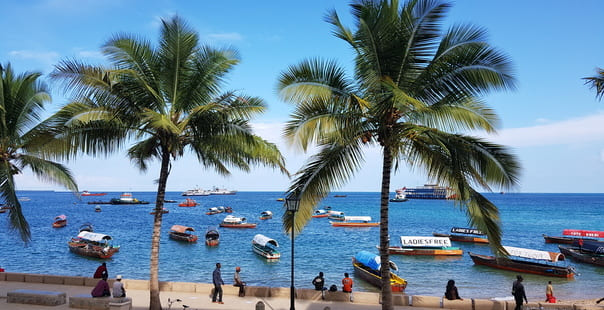
Zanzibar, the gem of the Indian Ocean, is famed for its turquoise waters, white sandy beaches, and swaying palm trees. But the true heart of the island lies in Stone Town, its historic old city and UNESCO World Heritage Site. Unlike any other city in East Africa, Stone Town is a living tapestry of cultures, histories, and human stories a place where African, Arab, Indian, and European influences converge in winding alleys, bustling markets, and intricately carved wooden doors.
Visiting Stone Town is more than a sightseeing experience. It’s a journey through time and culture, a sensory immersion, and an intimate encounter with Zanzibar’s vibrant communities. At Joining Safaris and Trekkers, we specialize in creating authentic cultural journeys that allow travelers to fully experience Stone Town’s richness, blending history, local life, cuisine, and hidden gems into one unforgettable adventure.
1. The Living History of Stone Town

Walking through Stone Town is like stepping into a storybook where the past and present coexist. Its labyrinth of narrow streets is lined with stone buildings that have witnessed centuries of trade, migration, and cultural fusion. Every corner, balcony, and carved door carries echoes of Zanzibar’s past from the Omani Sultanate’s rule to European colonialism, and the thriving mercantile life that once made the island the “Spice Island.”
Stone Town’s architecture is a fusion of cultures. Houses built by Omani Arabs feature thick coral stone walls and elaborately carved doors, while Indian merchant homes bring elegant balconies and arches. Portuguese and British colonial buildings add their own distinctive features, creating an eclectic yet harmonious urban fabric. Unlike a museum, Stone Town is alive, with local families, shopkeepers, and artisans inhabiting the same spaces that have been used for generations.
The streets themselves tell stories. On quiet mornings, you might witness the sunrise glinting off coral-stone walls, while the scent of freshly baked chapati or simmering curry drifts from nearby kitchens. Stone Town’s rhythm is slow yet rich, inviting visitors to pause, observe, and absorb centuries of history unfolding around them.
2. Alleyways and Ancient Doors: The Soul of Stone Town
Stone Town’s alleys are its veins narrow, winding pathways that pulse with life and history. They twist unpredictably, opening onto courtyards, markets, or hidden workshops. Walking these alleys is an adventure in itself: around every corner, a new story, a new scent, or a new encounter awaits.
The Zanzibar doors are iconic. Each door is a masterpiece, carved with intricate patterns and adorned with brass studs. Some display Islamic crescents or Swahili symbols; others tell tales of wealth, protection, or prosperity. Historically, these doors signaled the status of the family inside, but today they are admired for their artistry and craftsmanship.
Exploring the alleys is also a cultural immersion. You may pass a local carpenter shaping a miniature door, a family cooking traditional dishes in a courtyard, or children laughing as they play football between the walls. These moments capture the essence of daily life in Stone Town, making every step feel like a story unfolding before your eyes.
3. The Spice-Scented Markets
Zanzibar’s history as the “Spice Island” comes alive in Stone Town’s vibrant markets. Darajani Market, the city’s central marketplace, is a sensory feast. Stalls overflow with fresh fruits, vegetables, seafood, and fragrant spices. The air is thick with the scent of cloves, cinnamon, nutmeg, and turmeric, and the vibrant colors of produce and textiles make the market a visual delight.
Visiting the market is more than shopping; it’s an immersion in local life. Vendors will call out in Swahili, offering tastes of tropical fruits, while cooks select ingredients for meals that will feed their families and the neighborhood. Engaging with traders allows travelers to hear stories about spice cultivation, trade, and the culinary traditions that have defined Zanzibar for centuries.
The market is also an artisanal hub. Watch as weavers craft baskets, jewelers shape delicate beads, and woodworkers carve tiny replicas of Zanzibar’s iconic doors. Sampling street foods like Zanzibar pizza, sugarcane juice, or fresh coconut adds flavor to the experience, making the market a full sensory journey into local culture.
4. Historical Landmarks and Cultural Heritage

Stone Town is dotted with historical and cultural landmarks that anchor its rich narrative. The House of Wonders (Beit-el-Ajaib), once the Sultan’s palace, is an architectural marvel. Its towering facade and intricate balconies are awe-inspiring, and inside, the museum showcases artifacts from Zanzibar’s history, including ceremonial weapons, traditional costumes, and maritime relics.
Nearby, the Old Fort, built in the 17th century by the Omanis, has endured centuries of conflict and transformation. Today, it hosts performances, exhibitions, and festivals, merging historical preservation with contemporary cultural expression.
Stone Town is also proud of its connection to global culture. Freddie Mercury’s birthplace serves as a reminder of Zanzibar’s influence on music and art worldwide. Local guides often recount tales of his early life, offering personal insights into how the island shaped one of the 20th century’s greatest performers.
Even the waterfront at Forodhani Gardens is a cultural landmark. By evening, street food vendors fill the gardens with the aroma of grilled seafood, Zanzibar pizza, and fresh juice. Families and friends gather here, making it a lively hub that connects culinary tradition with community life.
5. People and Stories: The Heartbeat of Stone Town
Stone Town’s charm lies in its people. Every resident has a story — a family legacy, a craft passed down through generations, or memories of historic events. Engaging with locals allows visitors to witness life in Stone Town beyond the surface.
Artisans, spice farmers, and market vendors share not just their craft but their lives. Conversations about traditional recipes, spice cultivation, or woodcarving techniques reveal the dedication, pride, and history embedded in each practice. Even casual chats in cafes offer insights into Zanzibar’s social dynamics, humor, and resilience.
Hospitality in Stone Town is genuine. Visitors may be invited to share tea, taste home-cooked meals, or participate in cultural rituals. These interactions transform a simple visit into a human connection, leaving memories far more vivid than any photograph could capture.
6. The Spiritual Journey: Mosques, Churches, and Synagogues
Stone Town is a city of diverse faiths. Mosques, churches, and the region’s oldest synagogue coexist peacefully, reflecting Zanzibar’s long-standing religious tolerance. Visiting the Old Synagogue provides insight into the Jewish community’s historic presence, while centuries-old mosques continue to serve as spiritual centers for daily prayers. Colonial-era churches add another layer, highlighting European influence and the island’s multifaceted identity.
Hearing the call to prayer echo through narrow alleys, attending religious festivals, or observing traditional rituals allows travelers to engage respectfully with local spiritual life. These experiences deepen understanding of the city’s cultural fabric, emphasizing how faith has shaped the rhythm of daily life in Stone Town.
7. Culinary Adventures: Tasting Zanzibar
Zanzibar’s cuisine is a delicious reflection of its multicultural history. From African, Arab, and Indian influences to European touches, every meal tells a story.
Street food vendors offer quick and flavorful Zanzibar pizza filled with meats, vegetables, or sweets; freshly grilled seafood; and sugarcane juice that refreshes on a hot day. Local restaurants serve coconut-infused curries, spiced rice dishes, and tropical fruit desserts, each infused with centuries of culinary tradition.
Cooking classes provide a deeper connection. Learning to grind spices, roast cloves, or prepare samosas under the guidance of local chefs transforms dining into a cultural experience. Sharing meals with families offers both flavor and human connection, creating memories rooted in Zanzibari tradition.
8. Preserving Zanzibar: Responsible Cultural Tourism
Travelers have the power to protect and preserve Stone Town’s heritage. Responsible tourism ensures that the city’s architecture, culture, and people thrive for generations to come.
Key practices include:
-
Supporting local businesses, artisans, and guides.
-
Reducing single-use plastics and avoiding litter.
-
Respecting dress codes and cultural norms.
-
Asking permission before photographing individuals or private homes.
-
Learning about Zanzibar’s history, traditions, and environmental challenges.
Mindful travel allows visitors to connect deeply with the city while leaving a positive impact on both the community and heritage sites.
9. Planning Your Stone Town Adventure

A successful Stone Town visit combines curiosity with planning. Start early to explore markets, alleys, and historical sites before the midday heat. Evenings at Forodhani Gardens offer cooler temperatures, vibrant street food, and lively social interaction.
Hiring a local guide ensures access to hidden corners and personal stories not found in guidebooks. Walk slowly, pause often, and take time to notice the carvings on doors, the chatter of the market, and the aroma of spices. Consider complementing your Stone Town exploration with visits to nearby spice farms, local villages, or sailing trips for a full Zanzibari experience.
10. Why Choose Joining Safaris and Trekkers?
At Joining Safaris and Trekkers, we craft journeys that go beyond ordinary sightseeing. Our local guides bring Stone Town to life with intimate knowledge of history, culture, and daily life.
We prioritize sustainable, responsible tourism, ensuring your visit supports local communities and preserves heritage. From culinary tours to artisan visits, historical explorations, and cultural experiences, we create itineraries that are immersive, meaningful, and unforgettable.
With us, your journey in Stone Town becomes more than a trip; it becomes a personal, human story, connecting you with the soul of Zanzibar.
11. Begin Your Journey Today
Step into the streets of Stone Town, taste its spices, meet its people, and feel its history. Begin your unforgettable cultural journey with Joining Safaris and Trekkers:
Discover the hidden stories, vibrant cultures, and warm hospitality that make Stone Town an experience you will carry in your heart forever.
Contact Us for the Best Choice of Your Safari