
From Mountains, Wilderness to Beaches: Exploring Tanzania’s Diverse Landscape
Tanzania is one of the world’s most extraordinary destinations, a land where dramatic landscapes tell timeless stories. Imagine waking to the crisp, cold air atop Africa’s highest peak, then spending your days immersed in vast plains where lions roam freely and witnessing rivers swollen with thousands of migrating wildebeest. Finally, picture yourself unwinding on powdery white beaches kissed by the warm Indian Ocean breeze, the sun setting in a fiery spectacle over the horizon.
This unique trifecta of mountains, wilderness, and beaches makes Tanzania a dream come true for adventurers, nature lovers, and those seeking genuine cultural experiences alike. This article will take you on a journey through each of these remarkable environments, revealing what makes Tanzania not just a country to visit, but a place to feel deeply connected with the soul of Africa.
Mount Kilimanjaro Africa’s Majestic Summit and a Personal Journey

Standing tall and solitary on the northern Tanzanian plains, Mount Kilimanjaro is much more than a physical landmark; it's a symbol of aspiration, perseverance, and profound beauty. At 5,895 meters (19,341 feet), it is the tallest free-standing mountain on Earth, and every year thousands of trekkers from around the globe come here, not just to climb a mountain, but to discover themselves.
The Journey Through Kilimanjaro’s Climate Zones
Kilimanjaro’s immense height creates a vertical tapestry of climates and ecosystems, a rare opportunity to travel through different worlds on a single ascent. Your journey begins in the tropical foothills, where banana plantations and coffee farms thrive, surrounded by the vibrant culture of the Chagga people. As you ascend, you enter lush rainforests alive with the chatter of blue monkeys and the haunting calls of hornbills.
Moving higher, the forest thins, giving way to heath and moorland where bizarre plants like giant lobelias and senecios create an alien landscape. Here the air cools, and the thinness of oxygen starts to challenge even the most fit climbers. Higher still lies the alpine desert, a stark, rocky expanse where intense sunlight and freezing nighttime temperatures combine to create a harsh but breathtaking environment. Finally, the summit is capped by glaciers and ice fields, a stunning and humbling sight in the tropics.
More Than a Climb: Cultural and Personal Experiences
Kilimanjaro is not just a physical challenge; it is a deeply emotional and cultural journey. The Chagga people have lived in the mountain’s shadow for centuries and possess rich oral traditions and folklore about the mountain, often regarded as sacred. Visitors often engage with local communities, visiting traditional villages, experiencing Chagga hospitality, and tasting some of the world’s finest coffee cultivated on the mountain’s fertile slopes.
For many, the real magic happens before and after the climb exploring Moshi, the gateway town, with its vibrant markets and warm hospitality, or hiking to nearby waterfalls like Materuni, where crystal-clear pools invite a refreshing swim.
The Summit: A Moment of Triumph and Reflection
Reaching Uhuru Peak at dawn is a transformational moment. The freezing air, the panoramic view of clouds stretching beneath you, and the overwhelming sense of accomplishment combine into an experience that transcends words. Climbers describe a profound connection to nature and a lasting sense of personal triumph.
Even if you don’t make it all the way to the top, the mountain’s magic touches every visitor its presence is a constant reminder of the wildness and beauty that define Tanzania.
The Northern Safari Circuit A Symphony of Life on the African Plains

Beyond the mountains lies Tanzania’s beating wild heart, the Northern Safari Circuit, where some of the world’s richest ecosystems unfold across sprawling national parks and conservation areas. Here, the circle of life plays out in stunning clarity, with predators and prey locked in eternal dance, under skies so vast they seem endless.
The circuit includes Serengeti National Park, Ngorongoro Crater, Tarangire National Park, and Lake Manyara National Park each offering distinct landscapes, diverse wildlife, and unique experiences.
Serengeti National Park – Witnessing the Greatest Migration on Earth
The Serengeti, whose name means “endless plains” in Maasai, is one of Africa’s last great wildernesses. Spanning over 14,750 square kilometers, it is world-renowned for the Great Migration, one of the most awe-inspiring natural phenomena on the planet.
Each year, more than 1.5 million wildebeest, alongside hundreds of thousands of zebras and gazelles, embark on a circular journey that covers hundreds of miles across Tanzania and into Kenya’s Maasai Mara. This migration is driven by the search for fresh grazing and water, but along the way, it creates some of the most intense wildlife spectacles imaginable.
Seasonal Highlights of the Migration
-
Calving Season (December – March): The southern Serengeti bursts to life with new-born wildebeest calves. This season attracts large numbers of predators eager to hunt vulnerable young, creating dramatic scenes of survival and renewal.
-
River Crossings (June – September): The climax of the migration sees thousands of wildebeest courageously crossing perilous rivers like the Grumeti and Mara, dodging crocodiles and lions. These moments are adrenaline-charged and unforgettable.
-
Dry Season Wildlife Viewing (June – October): When water sources shrink, animals congregate around rivers and waterholes, making sightings of lions, elephants, cheetahs, and other wildlife almost guaranteed.
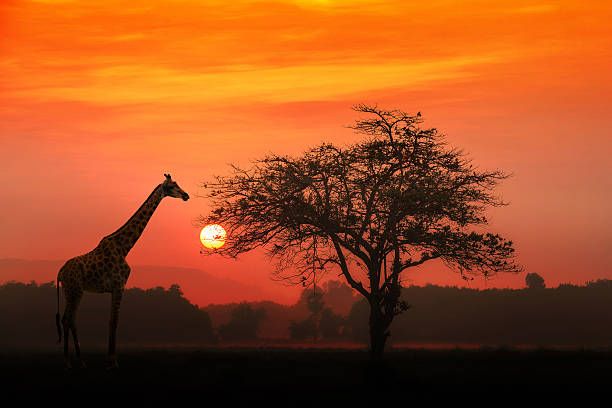
Beyond the migration, the Serengeti hosts resident wildlife year-round. Imagine watching a lion pride lazing under acacia trees, spotting elusive leopards in rocky outcrops, or marveling at graceful giraffes silhouetted by the setting sun.
Ngorongoro Crater A Volcanic Sanctuary of Extraordinary Biodiversity
Ngorongoro Crater is one of the world’s largest unbroken calderas, a 20-kilometer wide volcanic crater that shelters an astonishing density of wildlife. This natural amphitheater, surrounded by steep cliffs, creates a self-contained ecosystem teeming with animals.
Ngorongoro is among the few places on Earth where you can see all of the Big Five lion, leopard, elephant, buffalo, and black rhino in one day. The crater’s diverse habitats range from open grasslands and forests to swamps and soda lakes, providing a rich buffet for herbivores and hunters alike.
The Cultural and Historical Significance
The crater is also culturally significant, home to Maasai communities who graze their cattle alongside wild animals, practicing an age-old coexistence. Nearby, the Olduvai Gorge often called the “Cradle of Mankind” reveals some of the oldest evidence of human ancestors, adding a deep layer of human history to the natural wonder.
Tarangire National Park Home of Giants and Baobabs
Tarangire National Park is often overlooked but is a treasure trove of wildlife and scenery. Its signature baobab trees, some hundreds of years old, tower over the plains like ancient sentinels, while the Tarangire River sustains a remarkable variety of life, especially during the dry season.
This park is famed for its large elephant herds, often seen bathing in muddy riverbanks or migrating across the plains. Beyond elephants, Tarangire hosts prides of lions, herds of impala, and rare species such as the greater kudu and fringed-eared oryx.
The birdlife here is exceptional; over 450 species have been recorded, including the vibrant African fish eagle, colorful bee-eaters, and the striking secretary bird stalking the grasslands.
Lake Manyara National Park Diversity and Drama in a Compact Park
Lake Manyara, although small in size compared to the Serengeti, offers immense variety. Its alkaline lake attracts thousands of flamingos during the wet season, painting the waters a delicate pink hue. Surrounding forests harbor troops of baboons and elusive blue monkeys, while open plains provide hunting grounds for lions, famously known for their unique tree-climbing behavior.
The park’s varied landscapes include hot springs, groundwater forests, and grassy floodplains creating a rich habitat mosaic that supports a wide range of wildlife and bird species.
Zanzibar An Idyllic Archipelago of History and Relaxation

From the wilderness of the north, travelers are drawn to the turquoise waters and soft white sands of Zanzibar, an island paradise steeped in history, culture, and natural beauty.
Stone Town A Tapestry of Cultures
Stone Town, the island’s historic heart, is a UNESCO World Heritage Site where winding alleys lead past intricately carved wooden doors, bustling spice markets, and ancient forts. Here, Arab, Persian, African, and European influences weave together in architecture, food, and tradition.
Visitors can explore former slave markets, sip fragrant spiced tea in rooftop cafes, and witness the vibrant rhythm of daily life in this living museum.
Pristine Beaches of Nungwi and Kendwa
Northern beaches like Nungwi and Kendwa boast fine sand, calm seas, and incredible sunsets. The tides here rarely ebb far, making swimming possible all day. Local fishing boats dot the horizon, and the beach bars pulse with music and energy after sunset.
Adventures in Paje and Jambiani
Southeastern villages Paje and Jambiani are windsurfing and kitesurfing havens. The reefs offshore are home to colorful marine life, ideal for snorkeling and diving. Visitors can also learn about traditional seaweed farming, a vital local livelihood.
The Blue Safari A Day on the Indian Ocean
The iconic Blue Safari offers dhow boat trips to secluded sandbanks where guests snorkel among coral reefs, feast on freshly grilled seafood, and bask under the tropical sun. It’s a perfect escape from the mainland’s hustle and bustle, a serene celebration of Zanzibar’s marine beauty.
Why Tanzania Is the Ultimate Destination for Adventure and Relaxation
Tanzania’s unparalleled diversity means travelers can experience everything from high-altitude mountain treks to thrilling wildlife encounters and tranquil beach escapes all in one trip. The country’s warm, welcoming people and rich cultural heritage add depth and meaning to every moment.
When to Visit Tanzania for the Best Experience
-
Mount Kilimanjaro: June to October and January to March offer clear skies and stable weather for trekking.
-
Safari Season: June to October is dry season with excellent game viewing; December to February features wildebeest calving.
-
Zanzibar: Year-round tropical climate; best weather June to October for calm seas and sunshine.
Begin Your Tanzanian Adventure Today!
Ready to walk the roof of Africa, witness the greatest wildlife migration on earth, and unwind on idyllic beaches? Let us craft your perfect Tanzanian experience.
Contact Us for the Best Choice of Your Safari