
Predator Paradise: Why January is the Best Time for Big Cat Sightings in Tanzania
Tanzania is synonymous with wild Africa endless plains, dramatic landscapes, and wildlife encounters that redefine what “up close and personal” really means. While the Great Migration often steals the spotlight, January has quietly carved out a reputation as one of the very best times to witness the continent’s most iconic predators: lions, leopards, and cheetahs.
Here’s why January the heart of Tanzania’s green season is a predator loving safari goer’s dream.
Our package
1. Lush Grass Means Better Visibility Around Water
January falls right in the middle of Tanzania’s short rainy season. With rains freshening the plains, the savannah transforms into a vivid green tapestry.
But this greening has an interesting effect on predator behavior:
-
Water is abundant: Puddles and streams dot the landscape, so animals don’t travel long distances for hydration.
-
Predators concentrate at predictable water sources: Lions and other big cats often hunt where prey congregates to drink perfect for safari sightings.
-
Vegetation isn’t yet tall enough to fully obscure views: Unlike the peak wet season, January’s grass height is ideal it’s green but still low enough to see lions lounging, leopards perched, or cheetahs sprinting.
This combination gives you both frequent action and clearer viewing conditions a rare treat in the wet season.
2. Lion Pride Dynamics Come Alive After Calving
The end of the long rains signals a powerful seasonal shift in lion behavior:
-
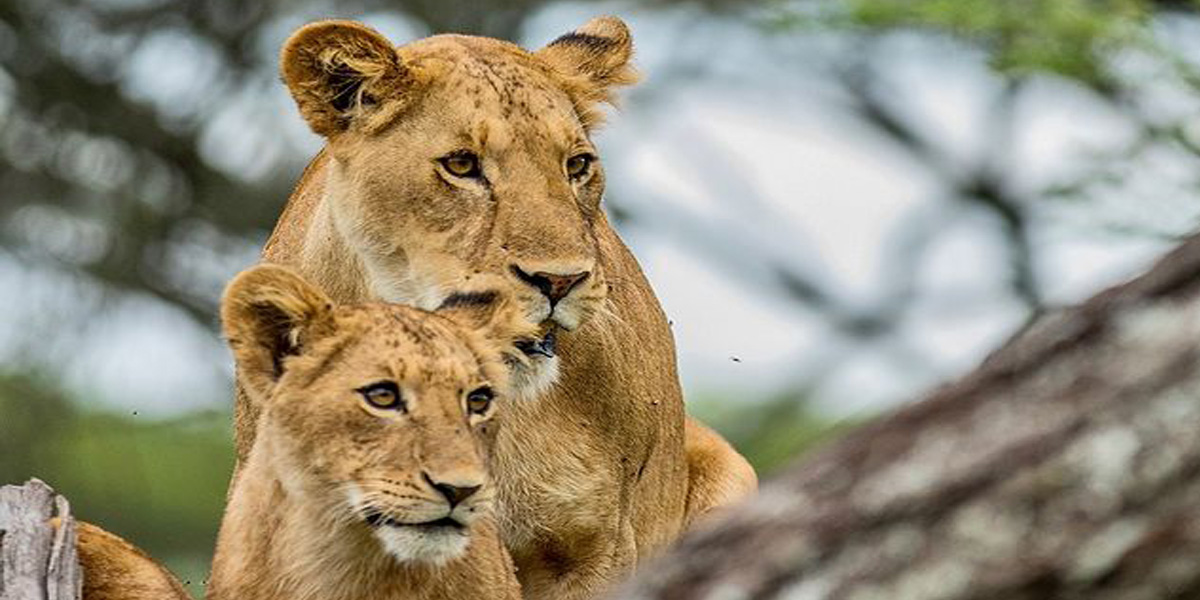
Many lionesses give birth earlier in the wet season, meaning by January their cubs are more mobile.
-
Pride activity increases: cubs play, siblings tussle, and adults hunt more regularly to feed growing families.
-
Observers often witness social behavior grooming, territorial patrols, and cooperative hunting not just isolated kills.
Because predator movements are less random and more social and concentrated, your chances of meaningful lion sightings go way up.
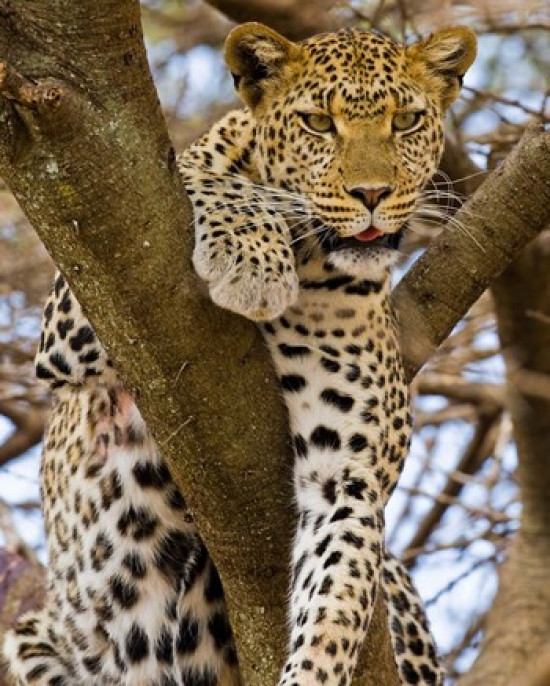
3. Leopards: More Active in the Green Season
Leopards are famously elusive masters of stealth who can disappear into the blink of an eye.
But in January:
-
Dense, yet navigable foliage gives leopards cover without complete concealment.
-
They take advantage of abundant prey and more shaded ambush spots.
-
With trees and bushes in bloom, they often haul kills into viewable branches.
Safari goers lucky enough to spot a leopard during January typically enjoy longer, more rewarding encounters than at drier times of the year.
4. Cheetahs in the Spotlight: Wide Open Plains and Early Prey Peaks
Cheetahs, the sprinters of the Serengeti and surrounding landscapes, love open terrain and January delivers just enough openness without parched dust.
Why January works for cheetah sightings:
-
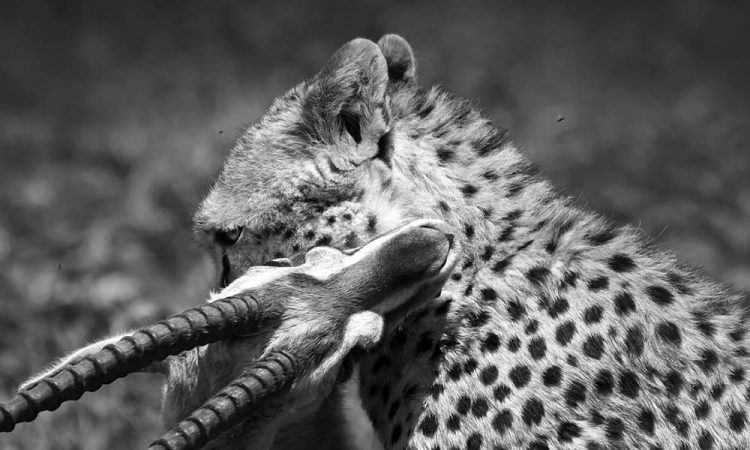
Prey populations are healthy after the rains, so young antelope are on the move.
-
Cheetahs prefer to hunt in daylight and early mornings/late afternoons perfect timing for guided safari drives.
-
With green grass at a manageable height, they’re easier to spot at a distance before they launch into a burst of speed.
If you’ve ever dreamed of seeing a cheetah chase unfold right before your eyes, January gives you a strong shot.
m5. Comfortable Weather and Fewer Crowds
January isn’t just great for predators, it’s also a fantastic time for you:
-
Warm temperatures and sporadic showers make for refreshing safari days.
-
Photographers love the soft light after rains, which enhances images of tawny coats and dramatic landscapes.
-
Best of all, visitor numbers are lower than peak dry season months, meaning less competition at the best predator spots.
This combination of great wildlife viewing and more space for guests makes every drive feel personal.
Where to Go for January Big Cat Action
Certain regions in Tanzania light up in January:
-
Serengeti National Park – Classic big cat territory with year-round resident prides and open plains ideal for cheetahs.
-
Ngorongoro Crater – A natural amphitheater where resident predators hunt around a concentrated prey base.
-
Tarangire and Lake Manyara – Smaller parks with rich predator prey ecosystems, especially around waterholes.
Each offers a unique flavor of predator safari, but all share excellent January big cat visibility.
Final Roar: Why January Matters
In Tanzania, timing truly shapes your safari experience. While the Great Migration is irresistible, January stands apart for intimate, frequent, and often extended encounters with Africa’s top predators.
From social lion prides to stealthy leopards hidden in blossom scented bush, from cheetahs streaking across fresh grasslands to photographic light that turns every scene into art January is nothing short of a predator paradise.
Contact Us for the Best Choice of Your Safari