
Serengeti National Park Calving Season: Why February Is a Photographer’s Dream
February in Serengeti National Park is one of the most extraordinary times of the year. The vast southern plains transform into a living nursery as thousands of wildebeest calves are born within a remarkably short window. For photographers, this period offers unmatched opportunities: dramatic wildlife interactions, intimate newborn moments, golden light over endless grasslands, and predator action all unfolding against one of Africa’s most iconic landscapes.
If you’ve ever dreamed of capturing raw, emotional, and powerful wildlife images, February in the Serengeti delivers in every possible way.
Our package for you
A Landscape Transformed by New Life
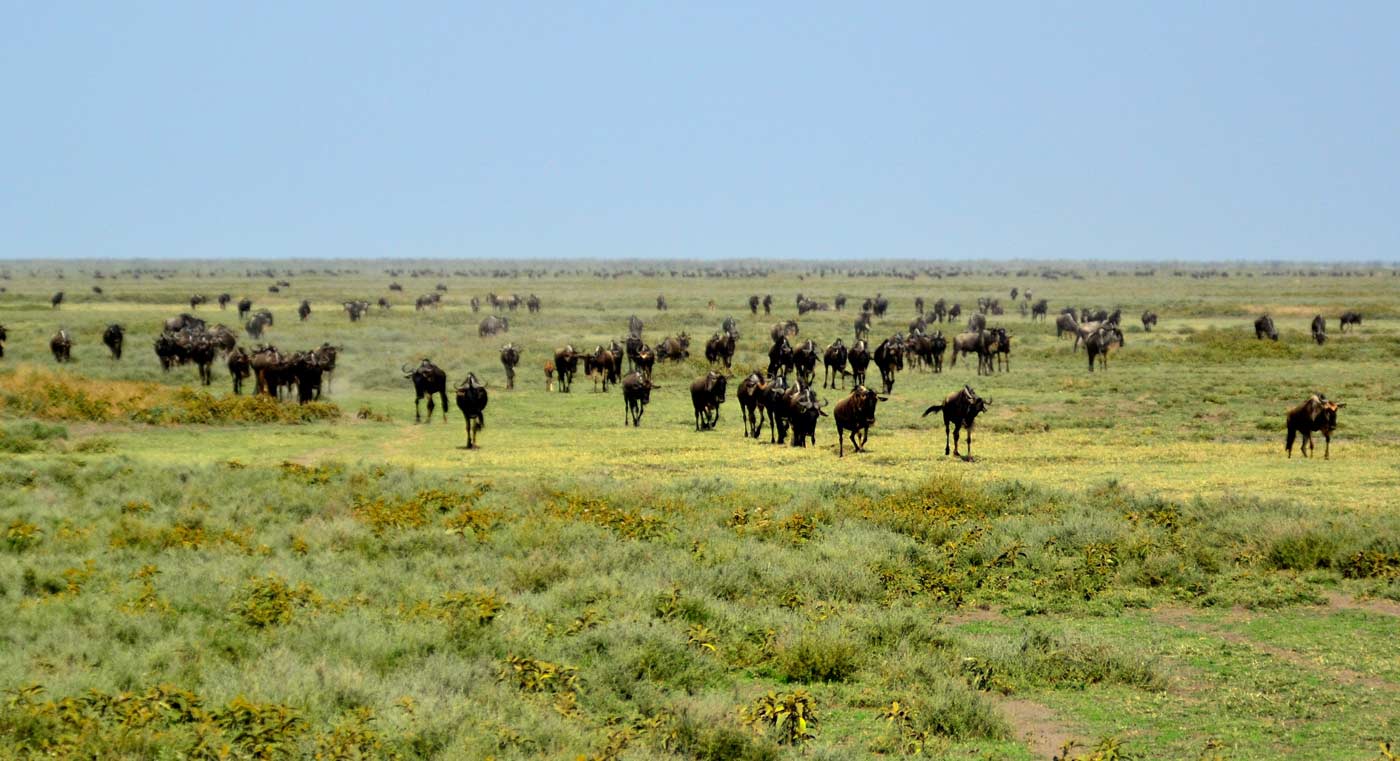
During February, the southern Serengeti plains especially around Ndutu and the short grass areas become a cradle of life. Within just a few weeks, hundreds of thousands of calves are born. The scale is breathtaking. Everywhere you look, there are newborns wobbling on fragile legs, protective mothers standing guard, and herds stretching across the horizon.
For photographers, this density of wildlife means:
-
Subjects are abundant and easy to locate
-
Emotional storytelling moments are constant
-
Wide angle and telephoto opportunities are equally rewarding
The open plains also provide unobstructed sightlines, making composition clean and powerful. There are few trees or bushes to block your view just sky, grass, wildlife, and endless photographic potential.
The Magic of Newborn Wildlife Photography
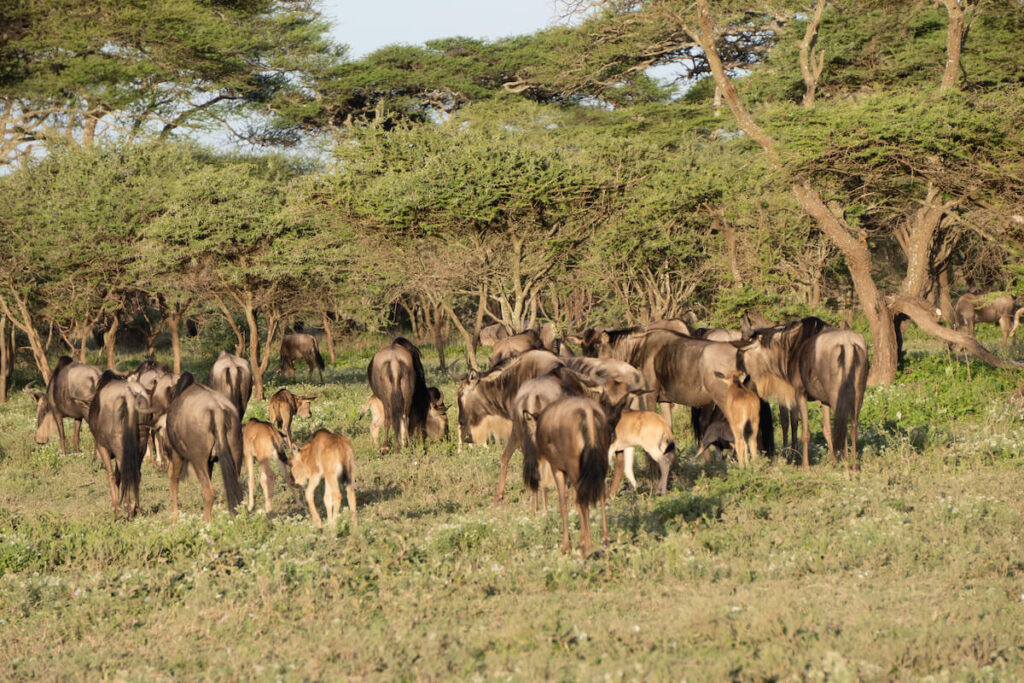
Few wildlife subjects are as compelling as newborn animals. In February, the Serengeti offers intimate access to:
-
Calves taking their first steps
-
Mothers nuzzling and cleaning newborns
-
Protective herd behavior
-
Young calves attempting playful jumps
Wildebeest calves can stand and run within minutes of birth a survival necessity in this wild ecosystem. Capturing those first unsteady movements is both challenging and deeply rewarding.
From a technical standpoint, February gives photographers:
-
Close range shooting opportunities
-
Emotional, storytelling frames
-
Repeated chances to refine composition
-
Natural interaction scenes without artificial staging
Every drive feels different. Every hour brings new life into the world.
Predator & Prey Drama: Intensity in Every Direction
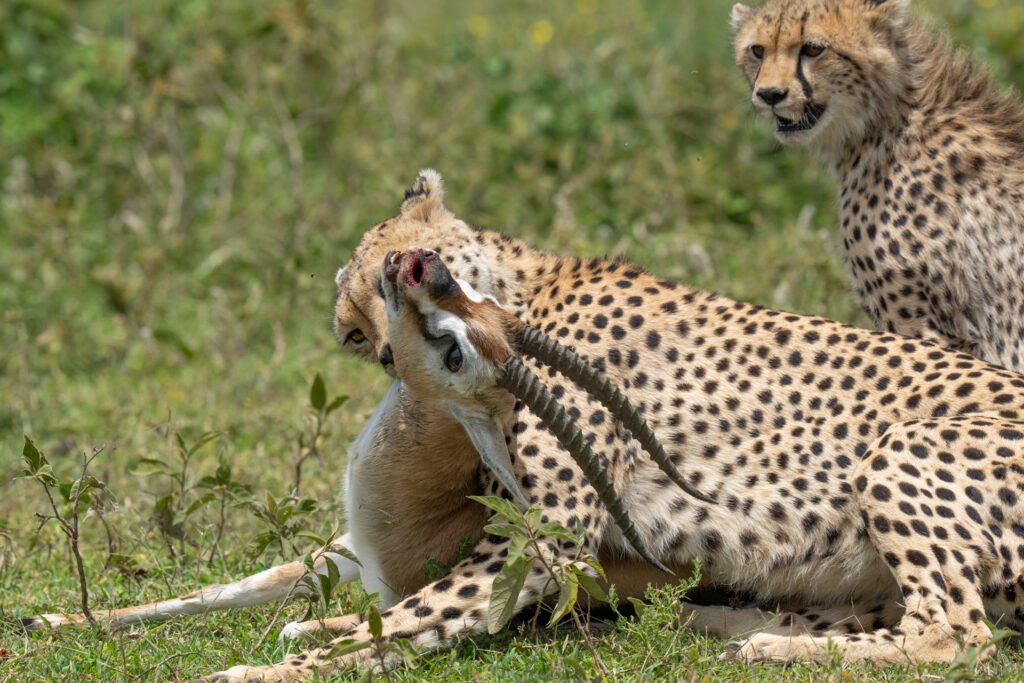
Where there are newborns, predators are never far away. February brings heightened activity from:
-
African lion
-
cheetah
-
spotted hyena
-
African leopard
This is not just about action it’s about storytelling. You might witness:
-
A lioness teaching cubs to stalk
-
A cheetah scanning the plains from a termite mound
-
Hyenas testing the vigilance of a herd
-
Defensive formations of adults protecting calves
The open terrain allows for incredible tracking shots and panning techniques. Dust rising from a chase creates dramatic backlighting at sunrise and sunset, giving photographers cinematic compositions.
Golden Light and Endless Horizons
February typically falls within the green season. Short rains have rejuvenated the plains, covering them in fresh grass. The landscape is lush, vibrant, and photogenic.
Why this matters for photography:
1. Soft, Diffused Light
Cloud cover during parts of the day softens harsh shadows, producing balanced exposures and vibrant colors.
2. Dramatic Skies
Storm clouds, shifting light, and vast horizons create epic backdrops. Wide angle shots of herds beneath layered skies can feel almost painterly.
3. Clean Backgrounds
The short grass makes animals stand out beautifully. Minimal visual clutter allows for striking subject isolation.
Sunrises and sunsets in the Serengeti are legendary. In February, golden light reflecting off green plains adds warmth and contrast to every frame.
Ideal Conditions for Action Photography
February offers dynamic scenes ideal for photographers who enjoy capturing movement.
You can practice:
-
Fast shutter speed tracking for running calves
-
Panning techniques during predator chases
-
Low-angle shooting for dramatic perspectives
-
Silhouettes at dusk
Dust kicked up during interactions creates natural diffusion, adding mood and atmosphere to high energy scenes.
Because wildlife density is high, you don’t have to wait long for behavior. The action often unfolds repeatedly, giving you time to anticipate and position yourself.
Intimate Portrait Opportunities
While dramatic action gets attention, February also provides quieter, powerful portrait moments:
-
Close-ups of newborn calves resting
-
Emotional expressions between mother and young
-
Lions lounging after an early hunt
-
Cheetahs resting on termite mounds
Long lenses (400mm–600mm) allow for tight framing, while midrange lenses capture environmental context. The Serengeti’s openness means you can experiment creatively with negative space, horizon lines, and depth of field.
Fewer Vehicles, More Freedom
February falls outside peak tourist months, which often means:
-
Fewer safari vehicles at sightings
-
More flexibility in positioning
-
Longer time spent observing behavior
-
Greater creative control
For photographers, this makes a huge difference. You can wait for the perfect angle, anticipate movement, and refine compositions without feeling rushed.
Storytelling Potential: From Birth to Survival
What makes February truly special is narrative continuity. In a single day, you might photograph:
-
A calf being born
-
Its first attempt to stand
-
Herd interaction and protection
-
A predator’s calculated approach
-
Defensive reactions from adults
This natural sequence allows photographers to build compelling photo essays rather than isolated images.
Few places on Earth offer such condensed storytelling opportunities within one ecosystem.
Equipment Tips for February in the Serengeti
To maximize your photography:
-
Two camera bodies (one with telephoto, one with midrange zoom)
-
Fast telephoto lens (400mm–600mm) for action
-
24–70mm or 70–200mm for environmental portraits
-
Beanbag support for vehicle shooting
-
Extra batteries and memory cards (action can be nonstop)
Dust protection is important carry lens cloths and weather protection covers.
Why February Stands Apart
Many months in the Serengeti are remarkable, but February offers something uniquely powerful: the concentration of new life and the heightened energy that comes with it.
It is a month defined by:
-
Hope and vulnerability
-
Drama and intensity
-
Beauty and raw survival
-
Scale beyond imagination
For wildlife photographers, it’s not just about taking pictures it’s about witnessing one of nature’s most profound cycles in real time.
Final Thoughts
If you are searching for a time when the Serengeti feels alive in every direction, February is unmatched. The plains pulse with energy. The light is extraordinary. The behavior is constant. The stories are endless.
For photographers whether amateur or professional February in Serengeti National Park is more than a safari. It’s an opportunity to capture life at its most fragile, powerful, and breathtaking.
And once you experience it through your lens, you’ll understand why this season is truly a photographer’s dream.
Contact Us for the Best Choice of Your Safari