
The Best Time to See the Great Migration River Crossings in Northern Tanzania
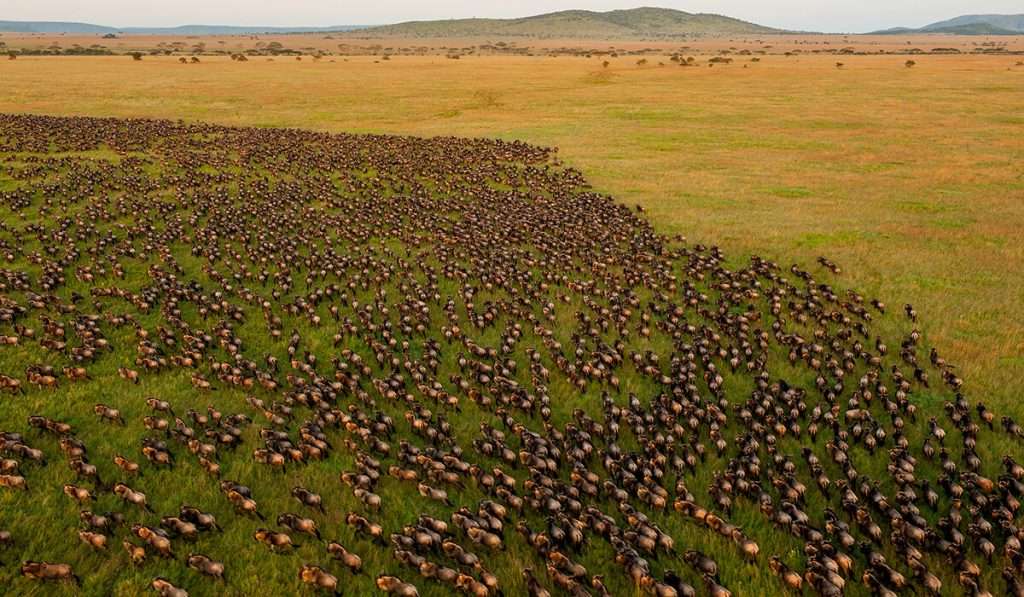
Every year, in the wild heart of East Africa, nature stages one of its most extraordinary performances, the Great Migration. It’s a spectacle so massive, so raw, and so deeply moving that even the most seasoned safari-goers pause in awe. In Northern Tanzania, between the endless plains of the Serengeti and the powerful Mara River, this timeless cycle of life and death unfolds right before your eyes.
If you’ve ever dreamed of witnessing thousands upon thousands of wildebeest and zebras risk it all for the promise of greener pastures, then the river crossings are your ultimate bucket list experience. But timing is everything. In this article, we’ll guide you through the best months to see the action, why the Northern Serengeti is the place to be, and how to plan the trip of a lifetime.
Why the Mara River Crossings Are So Legendary

The Mara River is not just another geographical landmark, it's a force of nature. Snaking through the northern reaches of Serengeti National Park before continuing into Kenya’s Maasai Mara, it is both a lifeline and a lethal barrier. For the migrating herds, this crossing marks one of the most dangerous points in their 1,000-kilometer annual journey.
The drama here is almost Shakespearean. On one side of the river: dry plains and the promise of greener grass beyond. On the other: swift currents, steep muddy banks, and predators lying in wait. The crocodiles are colossal, some over 5 meters long, their patience unmatched as they remain motionless for hours even days waiting for the perfect moment to strike.
Imagine standing on the riverbank as the scene unfolds. Hundreds of wildebeest cluster together, hesitating, every muscle tensed. The air is electric with anticipation. One bold animal leaps into the swirling water, followed by another, and another, until the river is alive with splashing bodies. The sound is deafening, a mix of panicked snorts, crashing water, and the cries of calves calling for their mothers.
And then, just as quickly as it began, it’s over. Survivors scramble up the far bank, dripping and trembling, while others are claimed by the river’s hidden dangers. It’s raw, unfiltered nature and witnessing it will forever change the way you see the wild.
When to Go The Golden Window for River Crossings
While the Great Migration moves in a vast circular pattern year-round, the river crossings are a very specific chapter in that story. In Northern Tanzania, the crossings typically occur from late July to early October, though exact timing depends on rainfall and grazing patterns.
Late July – August: The Peak Drama
By late July, the first herds begin to arrive in the Northern Serengeti after their long trek from the southern plains. This is when the crossings are at their most intense. Multiple herds can attempt to cross in a single day, and the riverbanks are often packed with spectators both human and animal. Lions and leopards stalk the surrounding hills, taking advantage of the chaos, while scavengers like hyenas and vultures wait for their turn.
The weather is generally dry, which means dusty skies and golden sunsets perfect for dramatic photographs. This is also peak tourist season, so booking well in advance is essential if you want the best camps and guides.
September – Early October: Consistent Action
In September, the herds often crisscross the Mara River several times, following the scent of rain or searching for untouched grazing land. While the largest crossings might be behind you, the frequency and visibility of smaller crossings make this period especially rewarding.
Fewer tourists compared to August mean a slightly more relaxed atmosphere, yet you still enjoy warm, clear days and stunning photography conditions. For many seasoned travelers, September is the sweet spot of enough action without the busiest crowds.
October – Early November: The Quiet Beauty

By October, the migration starts its slow return southward. Crossings become rarer and smaller, but the Northern Serengeti remains a wildlife haven. Resident predators are still active, and the short rains begin to bring a fresh green hue to the landscape.
For travelers seeking a quieter, more contemplative safari where you can linger at a sighting without dozens of other vehicles nearby this is an ideal time. While you may need a little more patience to see a crossing, the peaceful ambiance and unique lighting make it worthwhile.
Why the Northern Serengeti Is a Must
While the Great Migration stretches across international borders, there’s something uniquely special about seeing it in the Northern Serengeti.
-
Lower Crowds, More Intimacy
Unlike Kenya’s Maasai Mara, which can get crowded at prime crossing points, the Tanzanian side offers a more secluded, unhurried experience. Here, it’s possible to be one of only a handful of vehicles at a crossing, a rare privilege in modern safari tourism. -
Year-Round Wildlife Diversity
Even when the migration moves on, the Northern Serengeti is home to a rich cast of permanent residents: elephant herds moving through acacia forests, giraffes grazing lazily in the distance, leopard cubs tumbling in the shade of kopjes. You could come here in any season and still have a rewarding safari. -
Varied Landscapes
The region’s scenery is a feast for the eyes sweeping savannahs, wooded hills, rocky outcrops, and the majestic Mara River itself. Every game drive feels like moving through different worlds within the same park.
Planning Your Great Migration Safari in Tanzania
How Many Days You Need
River crossings are unpredictable. Sometimes they happen at the same spot for days in a row; other times, you may wait hours without a single animal making the leap. To give yourself the best chance, spend at least three to four nights in Northern Serengeti.
An extended itinerary allows you to combine the migration with Tanzania’s other treasures:
-
Tarangire National Park: Famous for its ancient baobabs and massive elephant herds.
-
Ngorongoro Crater: A UNESCO World Heritage Site, home to dense concentrations of wildlife.
-
Lake Manyara: Known for tree-climbing lions and flocks of flamingos.
Where to Stay
Mobile tented camps are the gold standard for migration safaris. They move with the herds, ensuring you’re always near the action. For those who prefer a touch more comfort, luxury lodges with permanent structures offer en-suite bathrooms, fine dining, and spectacular views over the plains.
Private vs. Group Safari
-
Private Safari: Tailor-made for you, with full flexibility. Ideal for photographers and families who want to control their own schedule.
-
Joining Group Safari: More budget-friendly, perfect for solo travelers seeking companionship and shared adventure.
The Emotional Impact of Witnessing a Crossing
Words can’t fully capture what it feels like to stand at the Mara River and watch the migration. There’s a moment just before the first wildebeest jumps when time seems to stop. The silence is thick, broken only by the grunts and calls of the herd. Then chaos erupts, and you’re swept up in it, heart racing as you track individual animals across the current.
You’ll witness bravery, tragedy, and sheer determination in the space of a few minutes. Some animals emerge triumphant, shaking off the river’s grasp; others vanish beneath the surface, claimed by predators or exhaustion. This is nature, unscripted and unapologetic. And it stays with you long after you’ve left the Serengeti.
Pro Tips for the Perfect Migration Safari

-
Work with an Experienced Guide
Migration crossings require patience and instinct. Skilled guides know the signs, the shifting of the herd, the subtle movements toward the riverbank that precede a crossing. -
Be Ready to Wait
Crossings are unpredictable, and sometimes the herd will gather and disperse without jumping. Bring a good book, snacks, and a willingness to linger. -
Bring the Right Gear
A DSLR or mirrorless camera with a zoom lens (at least 200–400mm) is essential. Binoculars let you scan distant herds and spot predators in the bush. -
Dress for the Elements
Mornings and evenings can be chilly, while midday brings strong sun. Layered clothing, a wide-brimmed hat, and sunscreen are musts. -
Mind the Luggage Limits
If you’re flying into the Northern Serengeti, remember that small aircraft often have strict baggage allowances usually around 15kg in soft-sided bags.
Why Book With a Local Tanzania Safari Operator
When you choose a local Tanzanian operator, you’re not just buying a safari, you're investing in expertise, community, and conservation. Local guides live in and understand these landscapes intimately. They know which crossing points are active, which camps offer the best views, and how to navigate the logistics seamlessly.
At Joining Safaris and Trekkers, we pride ourselves on creating personalized journeys that reflect the dreams of each traveler. We arrange everything from park permits to luxury tented camps so you can focus on the adventure itself. And your booking supports local jobs and sustainable tourism practices, helping protect the Serengeti for generations to come.
Your Migration Adventure Starts Here
The Great Migration is more than just a wildlife event; it's a living, breathing story of survival and renewal. And the Mara River crossings are its most dramatic chapter.
Whether you’re a photographer chasing the perfect shot, a nature lover seeking raw authenticity, or a first-time safari-goer eager for the ultimate African experience, there is no better place and no better time than Northern Tanzania between July and October.
Contact Us for the Best Choice of Your Safari